

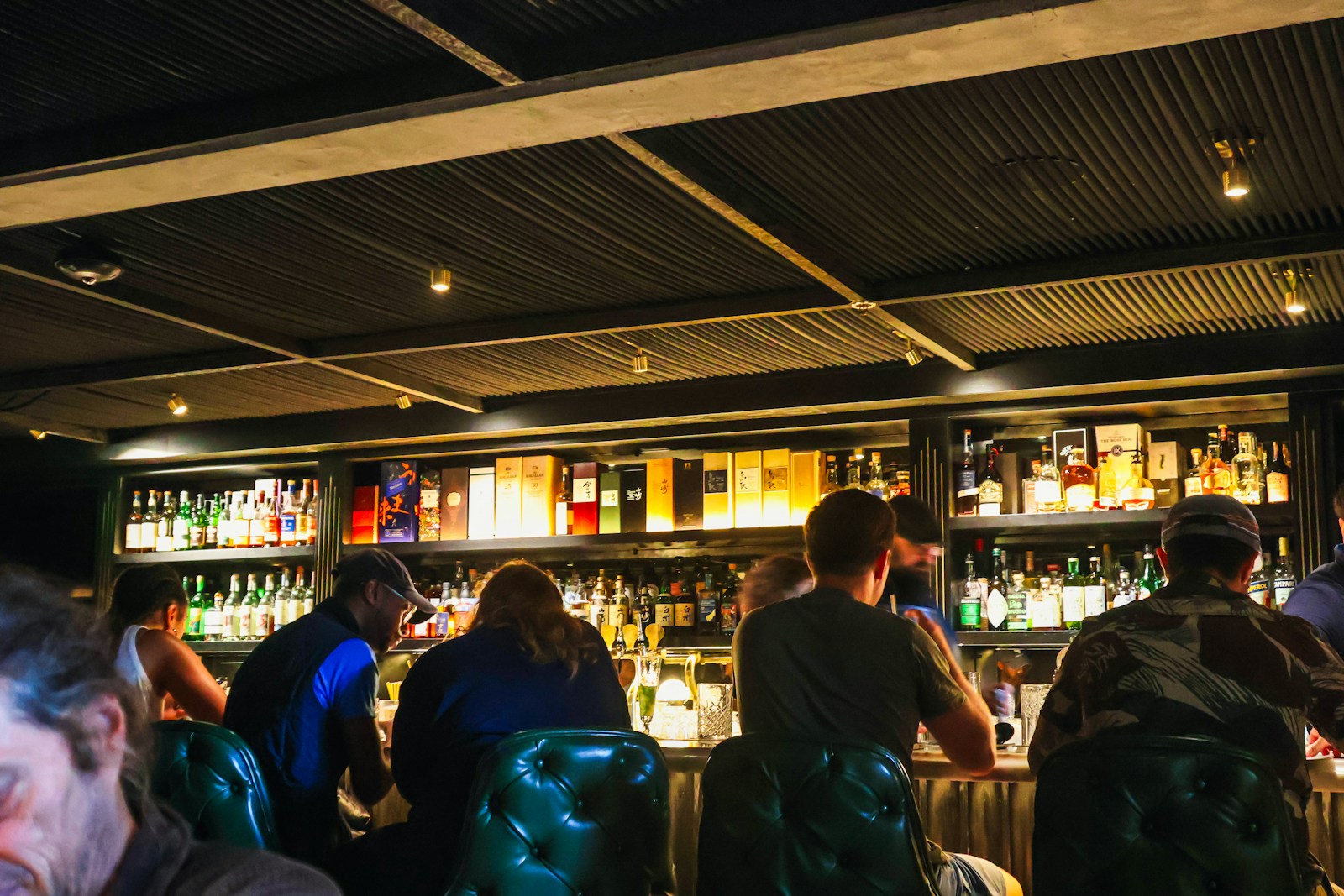
A bar owner is facing backlash after publicly responding to a customer’s negative review with snark, claiming a “quick conversation” could have cleared up a misunderstanding regarding the kitchen’s service. The incident unfolded when a customer, a 46-year-old man, visited the upscale bar at 4:55 pm, feeling exhausted and hungry after a long week.

After placing an order for a burger, he was abruptly told by the server that the kitchen was not serving food at the time. The man looked around and noticed other patrons enjoying meals at nearby tables. Frustrated, he decided to leave the bar without receiving his food and later wrote a review expressing his disappointment.
In his review, he recounted his experience, stating, “I went to the bar, after a long week of work, ordered a burger, then I was told they weren’t serving food at 4:55 pm. What kind of business does that?” This honest assessment of his encounter sparked a heated exchange when the bar owner reposted the review on social media.
The owner defended the establishment, explaining that the kitchen was in a brief reset period following a hectic day serving over 200 guests for graduation reservations. He expressed frustration that the customer did not inquire further about the situation, implying that the man had made assumptions without seeking clarity. “A quick conversation in person usually clears things up far better than assumptions made afterward online,” he wrote.
However, the customer argued that he was not informed of any temporary pause in service, and the owner’s response felt like a personal attack. He had no idea the bar was busy or that it was graduation day, which contributed to the confusion. Instead of a polite explanation or a simple note that the kitchen would reopen in five minutes, he felt the staff had shut him out without reasonable communication.
The bar’s owner further stated that their team had worked hard that day and that some customers may be upset due to the nature of service. This comment, implying that the customer was one of many who might complain, further intensified the situation for the man. His review was not born out of a desire to cause trouble but rather from a genuine reaction to feeling disregarded.
One reader, reflecting on the situation, told him, “They could have said, ‘Hey, it’s going to be a slight wait for food while they reset the kitchen for dinner, can I get you a drink while you wait?’” This suggestion pointed out a simple way the staff could have handled the situation better, creating a more positive experience for the customer.
After the owner’s rebuttal, the customer felt unjustly blamed for not questioning the waitstaff, stating he preferred not to engage in arguments while dining. The interaction left him with a strong impression that the bar did not value their patrons as much as they should. The response was not just an explanation; it felt like shifting the blame onto him for the misunderstanding.
As discussions continued online, one person suggested that updating his review could help clarify his perspective and challenge the incorrect assertions made by the owner. Another reader echoed this sentiment, believing the owner’s response defined the bar’s customer service philosophy, hinting at deeper issues in how they prioritize communication with guests.
Ultimately, the customer was left feeling frustrated and alienated by both the service experience and the owner’s reaction. The owner’s refusal to acknowledge the problem from the customer’s viewpoint made the entire situation feel less like a misunderstanding and more like a personal slight.
The man is now contemplating whether to report the incident or simply let it go, unsure if further action would lead to any constructive change. His experience serves as a reminder that effective communication can mean the difference between a customer feeling valued or dismissed in the dining experience.
More from Vinyl and Velvet:

Leave a Reply