

You probably handle dollar bills every day without giving them much thought. But some bills are more than just cash—they can be rare collectibles that may be worth much more than their face value. Knowing which bills to hold onto instead of spending can save you a surprising amount of money.
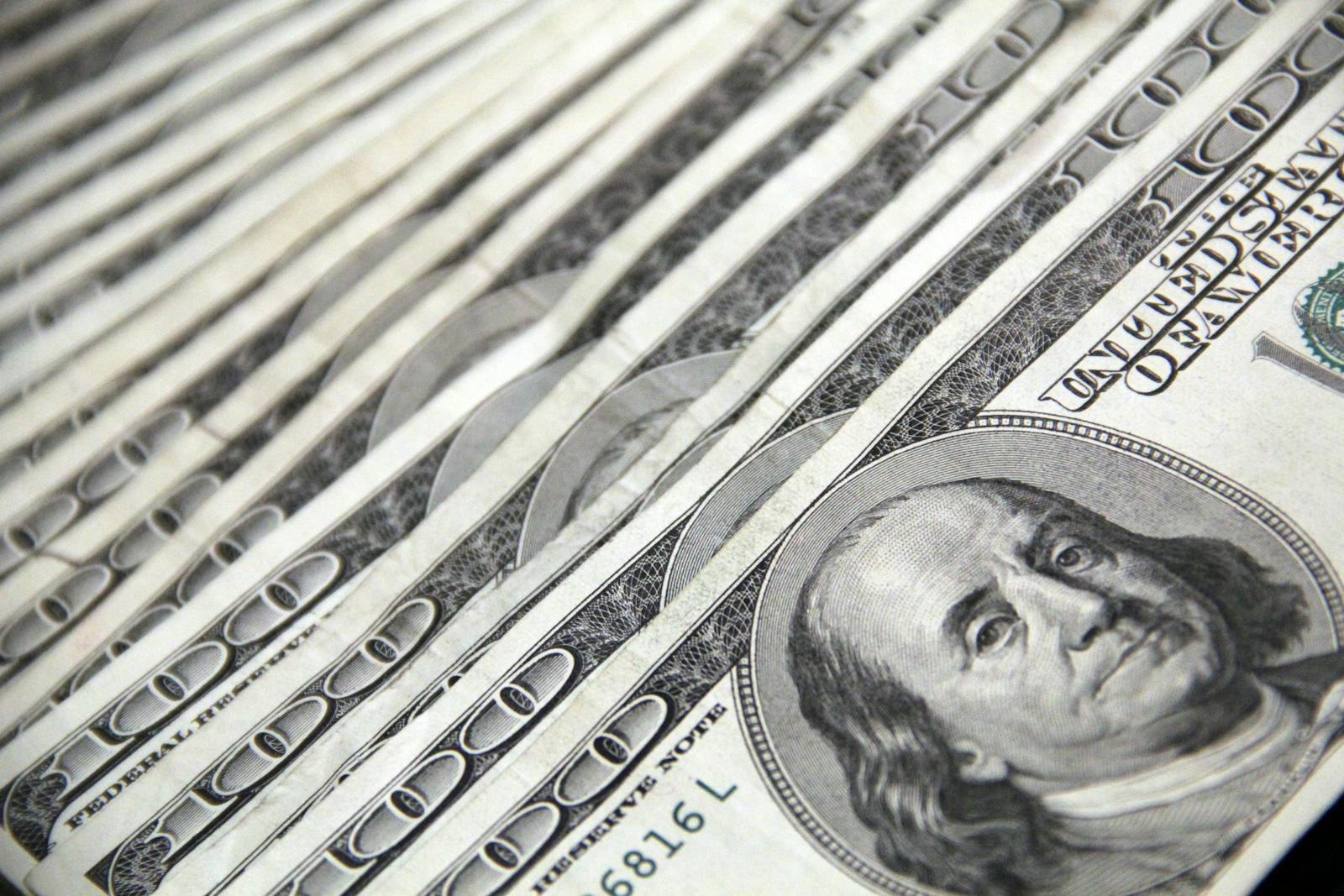
Certain rare dollar bills have unique features that make them valuable to collectors, so you should never spend these without checking what you have first. These bills often have special serial numbers, limited runs, or historical significance that sets them apart from common currency. Once you learn what to look for, you’ll spot hidden treasures right in your wallet.
1928 $2 Legal Tender Note
If you have a 1928 $2 Legal Tender Note, it’s worth taking a closer look. Most of these bills aren’t super valuable, but certain versions, like the rare star notes, can be much more interesting to collectors.
The red seal on these bills shows they’re legal tender, not silver certificates. Circulated ones might sell for just a few dollars over face value, but uncirculated or special editions could fetch considerably more. If you want to keep it, think about its condition and rarity before you spend it.
1890 Treasury Note $2 Bill
If you come across an 1890 Treasury Note $2 bill, hold on tight. These bills stand out with their unique red or brown seals and detailed engraving.
Collectors pay serious money for them. Even circulated notes can fetch a few thousand dollars. Uncirculated ones? They might be worth over $4,500.
So, spending this bill like regular cash would be a missed opportunity. Keep it safe—you might have a small fortune in your hands.
1953 Red Seal $2 Silver Certificate
If you have a 1953 red seal $2 bill, it’s not super rare but still worth checking out. These notes were legal tender and had a unique red seal, different from the usual blue silver certificates.
Most bills in circulated condition sell for just a few dollars above face value. But if yours is uncirculated or has a star serial number, it could be worth more. Keep an eye on condition and any printing quirks—they can increase value.
1976 Bicentennial $2 Federal Reserve Note
If you come across a 1976 $2 bill, don’t just treat it like regular cash. This bill was issued to celebrate the U.S. Bicentennial and brought the $2 note back after a long break.
Most of these bills aren’t worth more than face value, but some can be collectible. Look for unusual serial numbers or errors to see if yours might be worth more. In great condition, these bills have caught collectors’ eyes, sometimes fetching a good price.
$2 Bills with Star Serial Numbers
If you’ve got a $2 bill with a star next to the serial number, hold on to it. Star notes are replacements for misprinted bills and are usually rarer than regular ones.
Collectors love these because they’re harder to find. Depending on the series and condition, your star note could be worth way more than face value.
Even newer star notes can attract attention, especially if they’re in great shape or have cool serial patterns. So don’t just spend it—check its value first!
$2 Bills with Unique Serial Numbers
If you come across a $2 bill with a unique serial number, don’t rush to spend it. Numbers like repeating patterns, palindromes, or very low digits can catch a collector’s eye.
Some bills with special serial numbers can be worth much more than their $2 face value. It’s worth checking your bill before you toss it, especially if it looks unusual or has a cool sequence of numbers. You might have a small treasure in your wallet.
1862 $2 Legal Tender Note
If you own an 1862 $2 Legal Tender Note, it’s more than just cash. These bills were introduced during the Civil War to help fund the Union, making them a piece of history.
You might be surprised, but these notes can be worth hundreds or even a couple thousand dollars depending on their condition. An uncirculated one could fetch quite a bit if you decide to sell instead of spending it.
Just be careful with worn or damaged bills since that affects value. Holding on to one could pay off in the long run.
1869 Rainbow Notes
If you come across a 1869 Rainbow Note, consider holding onto it. These bills are known for their colorful tints—blue, green, and red—that give them a unique look.
The $1 Rainbow Note is especially cool because it’s the first time George Washington appeared on the bill. The design also features Christopher Columbus, making it stand out from modern notes.
These notes were backed by the government’s credit and are a piece of U.S. history you won’t want to spend casually.
$2 Bills with Printing Errors
If you stumble on a $2 bill with printing errors, don’t toss it. These mistakes can make your bill more valuable to collectors. Errors might include misaligned printing, ink smudges, or doubled images.
Not all errors are worth big money, but some rare ones can fetch a solid price. Check your bill carefully—small details can mean the difference between just $2 and something special. Keep an eye out for these quirks if you want to spot a hidden gem.
$2 Bills in Crisp, Uncirculated Condition
If you have a $2 bill that looks brand new, don’t just spend it without checking its value. Uncirculated bills, especially older ones, can be worth much more than $2.
Bills from rare series, like the 1928B or red seal notes from the early to mid-1900s, are especially prized by collectors. The condition matters a lot, so a crisp, flawless bill could fetch hundreds or even thousands depending on its rarity. Keep your eyes open—you might have a hidden gem in your wallet.
$2 Bills with Misaligned Printing
If you find a $2 bill with printing that looks off-center or misaligned, hold onto it. These errors happen during the printing process and make the bill unusual compared to normal ones.
Collectors often hunt for misprints because they’re harder to find, especially on $2 bills, which were printed less frequently than other notes. Your misaligned $2 bill could be worth more than face value, depending on how noticeable the error is and the bill’s condition.
$2 Bills from Low Print Runs
If you’ve got a $2 bill from a year with a low print run, it might be worth more than just $2. These bills were produced in smaller quantities, making them rarer and more interesting to collectors.
You might not see many of these around, which adds to their appeal. Some can fetch good prices, especially if they’re in great condition or have unique features.
So before you spend one, take a closer look—you could have a hidden gem in your wallet.
More from Vinyl and Velvet:

Leave a Reply