

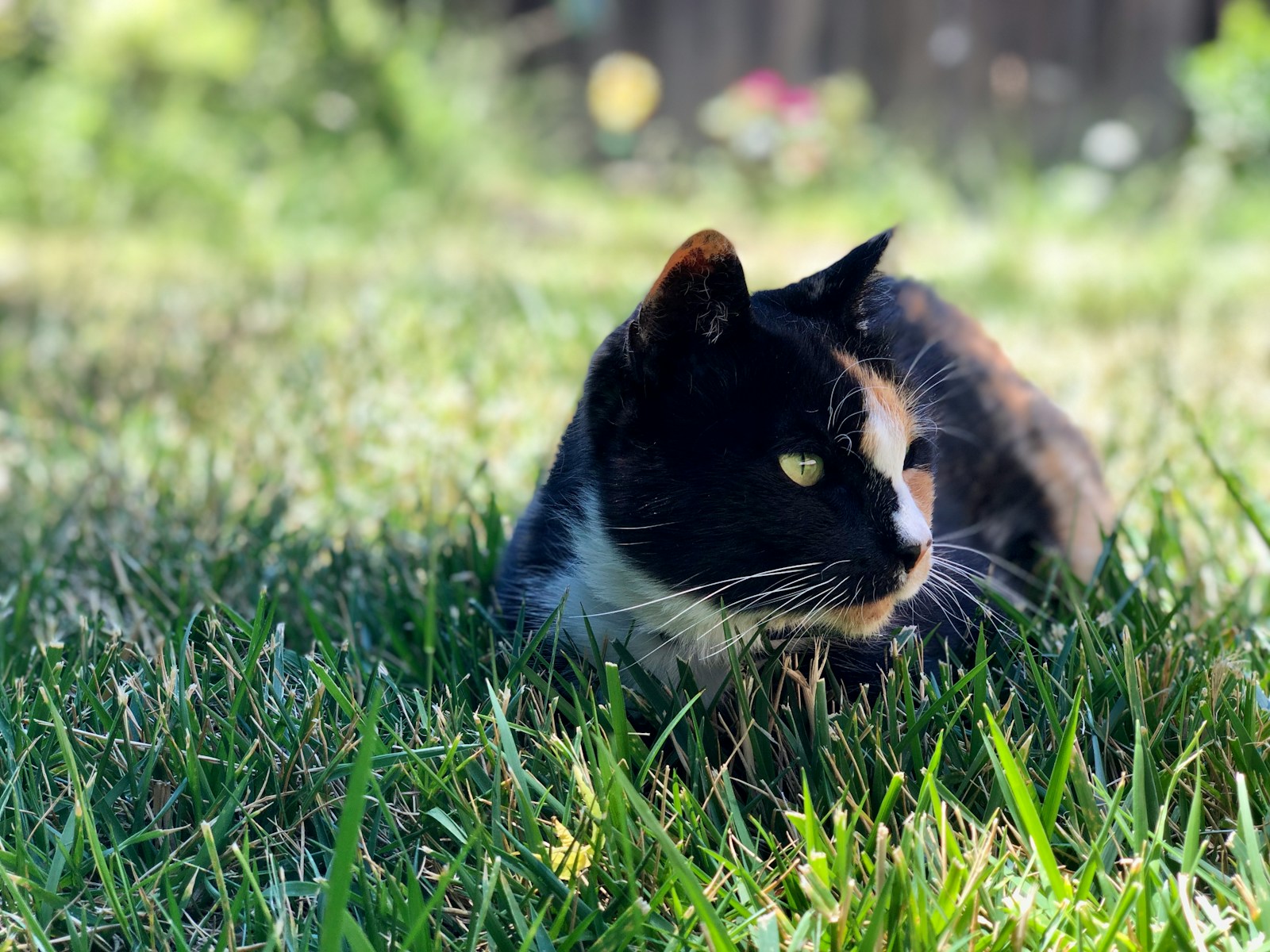
A homeowner in rural America is expressing outrage after discovering that his neighbor’s unspayed outdoor cats destroyed a rabbit nest on his property. The incident, caught on camera, has ignited concerns about the impact of free-roaming cats on local wildlife.
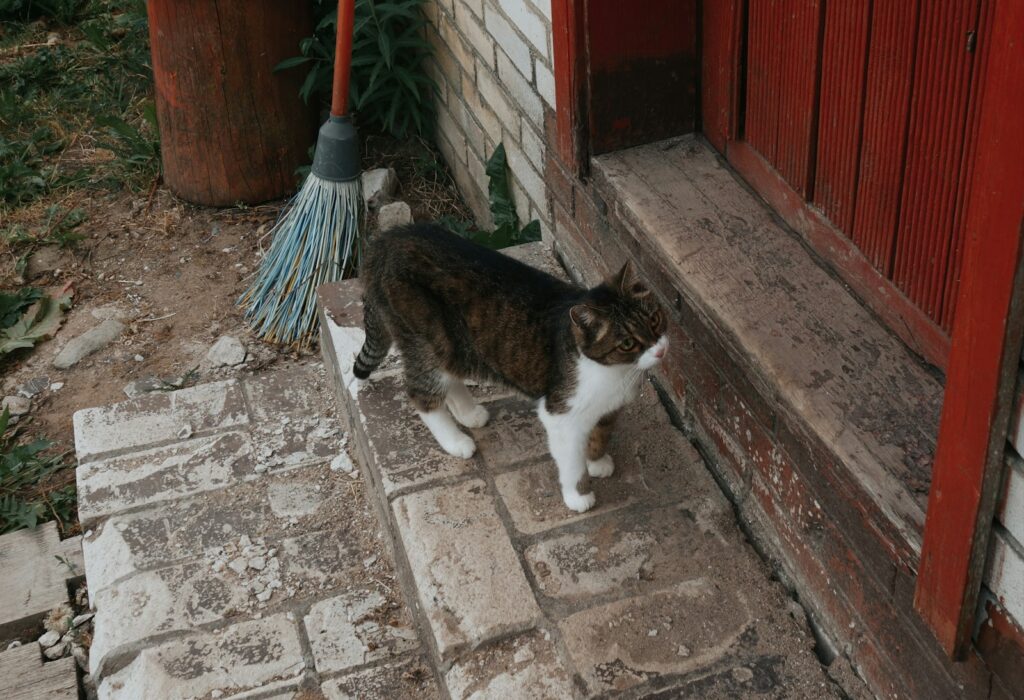
The 20-year-old homeowner, who lives on a sprawling five-acre property with his mother, noticed a group of baby rabbits nesting under a tree near his porch. He had taken precautions to protect them, covering the nest to keep it safe until the mother rabbit returned. However, after dozing off for an hour and a half, he woke to find the nest empty and the protective cover disturbed.
After checking his security footage, the situation became painfully clear. The cameras showed three of his neighbor’s cats exploring the area around the rabbit hole, with one cat returning to the nest multiple times. The homeowner’s worst fears were confirmed when he discovered rabbit fur scattered around the site, indicating the young bunnies had likely fallen victim to the neighbor’s cats.
The homeowner is a passionate advocate for wildlife conservation. He has five cats of his own, all kept indoors, and expresses frustration that the outdoor lifestyle of his neighbor’s cats poses a risk to local fauna. He worries the free-roaming cats could threaten the delicate balance of wildlife that has thrived in the area, including lizards and birds.
The issue escalates given that the neighbor has not spayed her cats, which already led to the birth of two additional cats from a stray pregnancy. The homeowner fears this could lead to an even larger feral cat population that would further disrupt the ecosystem.
Despite previous conversations about her pets, the neighbor has remained dismissive, leading the homeowner to consider more official actions. He has raised the possibility of involving animal control or even the sheriff to address the situation. His mother, however, has taken a more casual approach, suggesting that “shit happens” and that he should let it go.
Compounding the situation is the presence of fleas on the neighbor’s pets, which the homeowner is keen to keep away from his own cats. He believes keeping cats outdoors not only puts local wildlife at risk but also exposes them to health issues. The incident has left him feeling not only angry but also uncertain about whether his frustration is justified.
Online, reactions to this homeowner’s predicament vary. Many express understanding of his anger over the loss of the baby bunnies, with some suggesting that his response is entirely warranted. One person suggested calling animal control to ensure the offending cats are spayed, emphasizing that outdoor cats should not be overlooked in discussions about local ecology.
Another reader pointed out the broader implications of allowing cats to roam free, highlighting that outdoor cats significantly disrupt bird populations and other wildlife. They noted the importance of taking action to prevent the establishment of a feral colony, which would be harder to manage later on.
The situation resonates with many pet owners who understand the challenges of living in close quarters with neighbors. It raises questions about responsible pet ownership and the balance between human and animal interactions in a rural setting. The homeowner feels he is at a crossroads, unsure whether to take formal action or accept the loss as a part of living in the country.
The emotional turmoil stemming from the loss of the baby rabbits and the neighbor’s nonchalance about her cats adds to his dilemma. As he grapples with options, including confronting his neighbor again or seeking intervention from local authorities, the weight of the decision hangs over him.
This homeowner’s story emphasizes the complexities of community living, particularly in areas where nature plays a significant role. With habitats being threatened and the future of local wildlife at stake, the question remains: what steps should be taken to address the growing issue of unspayed outdoor cats?
More from Vinyl and Velvet:

Leave a Reply