

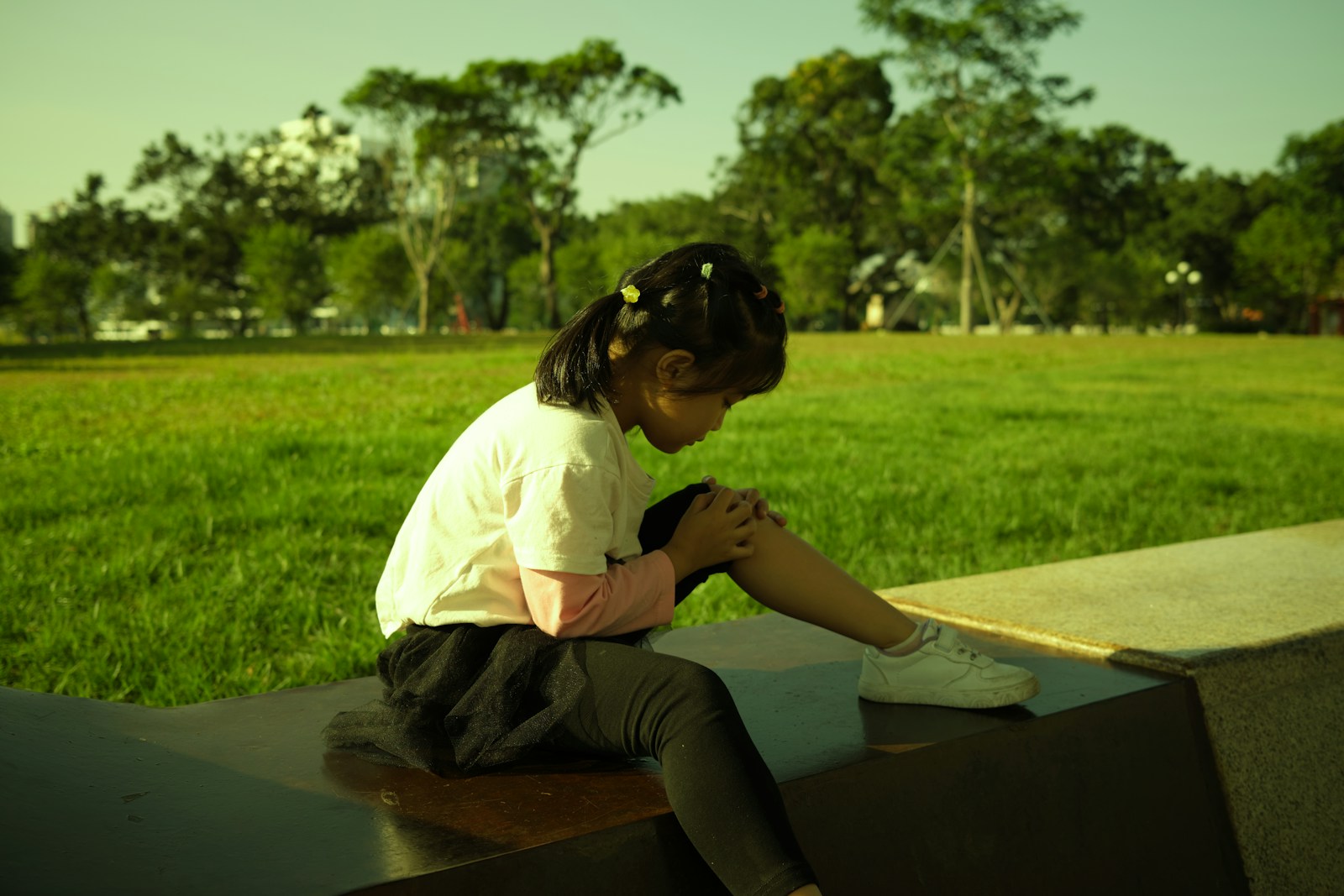
An 11-year-old girl in the United States suffered serious injuries after being assaulted by three older students while she was sleeping in her classroom. The assault involved cuts from a razor, leaving her with injuries to her arms. For reasons unknown, the girl chose to keep the incident secret, a decision that would later lead to a troubling reaction from her family.
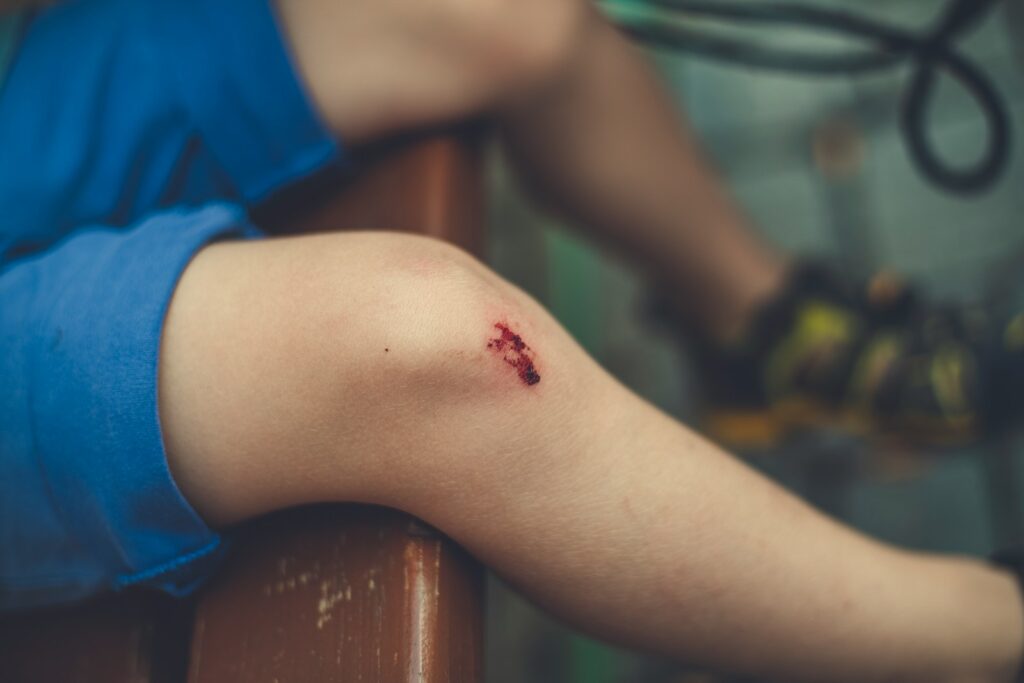
When the girl’s mother learned about the attack, instead of providing comfort, she reacted with anger. The mother yelled at her daughter for not speaking up sooner, creating a scene that left the young girl feeling more traumatized. The girl’s older sibling, who has autism and often struggles in high-stress situations, attempted to intervene but was met with resistance. The sibling saw their mother’s reaction as harmful, arguing that yelling at a traumatized child was not the appropriate response.
The sibling expressed feelings of helplessness as the mother and two other sisters supported the mother’s outburst. The situation spiraled into a family conflict, with the older sibling feeling criticized for standing up for the younger sister. The sibling highlighted that blaming her sister for not recalling the faces of her assailants or for her silence after the incident was unjust. Instead of comfort and understanding, the younger girl faced an environment filled with blame and anger.
In this tense household, the dynamics between the family members shifted dramatically. The older sibling, who clearly adored their little sister, felt torn between wanting to support her and facing backlash from their own family. The combination of the traumatic assault and the subsequent reaction from their mother created an overwhelming atmosphere where the younger girl struggled to find safety and reassurance.
Many online reactions echoed the older sibling’s sentiment about how critical it is to approach trauma with care, especially when dealing with children. One person emphasized that a child’s silence can often stem from fear and confusion, suggesting that the mother should prioritize understanding over anger. Another reader pointed out that blame would likely only push the child further away, making it even harder for her to open up in the future.
The conflict also raises important questions about how families handle trauma and the emotional needs of children. The older sibling was not equipped to navigate the heated atmosphere, particularly with their mother’s insistence on taking a hard stance against the younger girl. Many empathized with the burden of handling such a delicate situation, noting the complexities of family dynamics when faced with traumatic experiences.
Adding to the complexity, the family’s response indicates a larger issue regarding the understanding of trauma in children. Experts often stress that children may take time to articulate their experiences and may choose silence as a coping mechanism. The older sibling’s plea for a more supportive approach reflects a growing awareness of the need for compassion in these situations.
Despite the tumultuous family situation, the older sibling remains dedicated to advocating for their little sister. However, they find themselves at a crossroads, uncertain about what actions to take next. The pressure to conform to family expectations versus the desire to provide the younger sister with the support she desperately needs creates a feeling of isolation for the older sibling.
This situation serves as a critical reminder about the importance of handling trauma delicately, especially within families. The division in understanding between the mother and her children highlights how essential it is to foster open dialogue and a safe environment. As the family continues to grapple with the aftermath of the assault, the road ahead remains fraught with emotional challenges.
For the older sibling, the continued conflict with their mother and the need to protect their little sister creates a challenging emotional landscape. Their commitment to standing by her side may ultimately dictate how the family reconciles its approach to trauma moving forward. The unresolved tension leaves questions unanswered about the best way to help a child heal in the aftermath of such a traumatic event.
More from Vinyl and Velvet:

Leave a Reply