


An electric skateboard rider in California is questioning the accuracy of a police report following a recent accident that left him concussed. The incident occurred near UC Berkeley when he was struck from behind, yet the police report claims he was at fault for an unsafe maneuver.
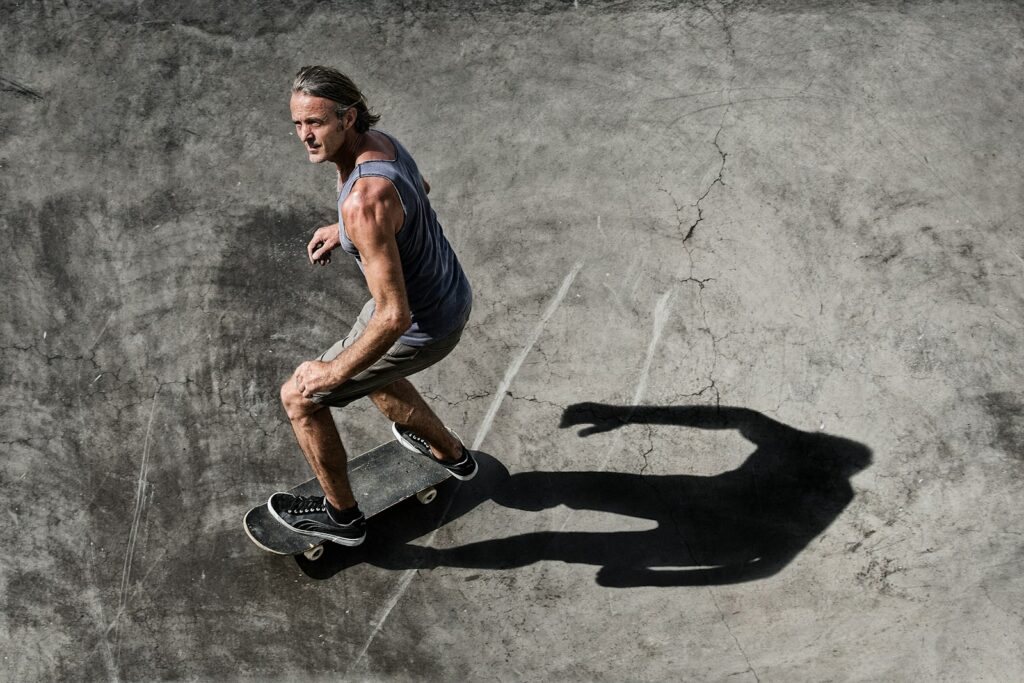
The rider was making his way along the roadway when he was hit. He suffered a concussion and other injuries from the impact. After obtaining the police report, he was stunned to find it concluded he was entirely to blame under California Vehicle Code section 22017, which addresses unsafe turning movements.
In his statement to the police, which he provided shortly after the collision, he struggled to articulate his thoughts due to his injuries. He maintains he was already established in the road when the vehicle collided with him, suggesting he had little time to react or avoid the crash. However, the report claims he crossed into traffic unsafely.
What complicates the situation further is that the police officer who wrote the report did not witness the crash. Additionally, there was no surveillance footage to review, and the report notes that the area of impact could not be determined. The rider believes these details undermine the report’s conclusions.
Frustrated by the police’s findings, he turned to online forums for advice, specifically asking for legal and procedural guidance. One of his key concerns was the weight that insurance companies place on police reports when determining fault in accidents. He also inquired about whether there is a formal process to contest inaccuracies in a traffic collision report in California.
The rider also wondered if he could still recover partial damages due to California’s comparative negligence laws, even if the police report assigns him primary fault. He highlighted that he was on FaceTime with his girlfriend during the collision, who might have witnessed the events as they unfolded. He mentioned he did not believe any students in the vicinity had come forward as witnesses, increasing his concern about proving his account of the incident.
Another significant question is whether he should provide a recorded statement to the other driver’s insurance company before assessing his medical condition and reviewing the police report fully. Speaking with an attorney has provided him with some clarity, but he is still seeking a broader understanding of the legal landscape surrounding his case.
One reader remarked that police reports often carry a lot of weight in insurance assessments, but their conclusions can sometimes be challenged. This aligns with the rider’s own experience, as he appears determined to dispute the report’s findings. Another person suggested that his girlfriend’s account could be valuable as corroborating evidence, potentially strengthening his case if he can verify her observations.
The situation has left the rider navigating a complex web of legal and logistical concerns. He finds himself weighing his next steps while dealing with the aftermath of his injuries and the implications of the police report. The question remains whether he will officially dispute the report or rely on other avenues to seek justice.
As the rider continues to process the incident and seek further legal advice, he is confronted with the challenge of proving his version of events against the police’s written account. He remains uncertain about how to proceed while managing the health issues stemming from his injuries.
More from Vinyl and Velvet:

Leave a Reply