

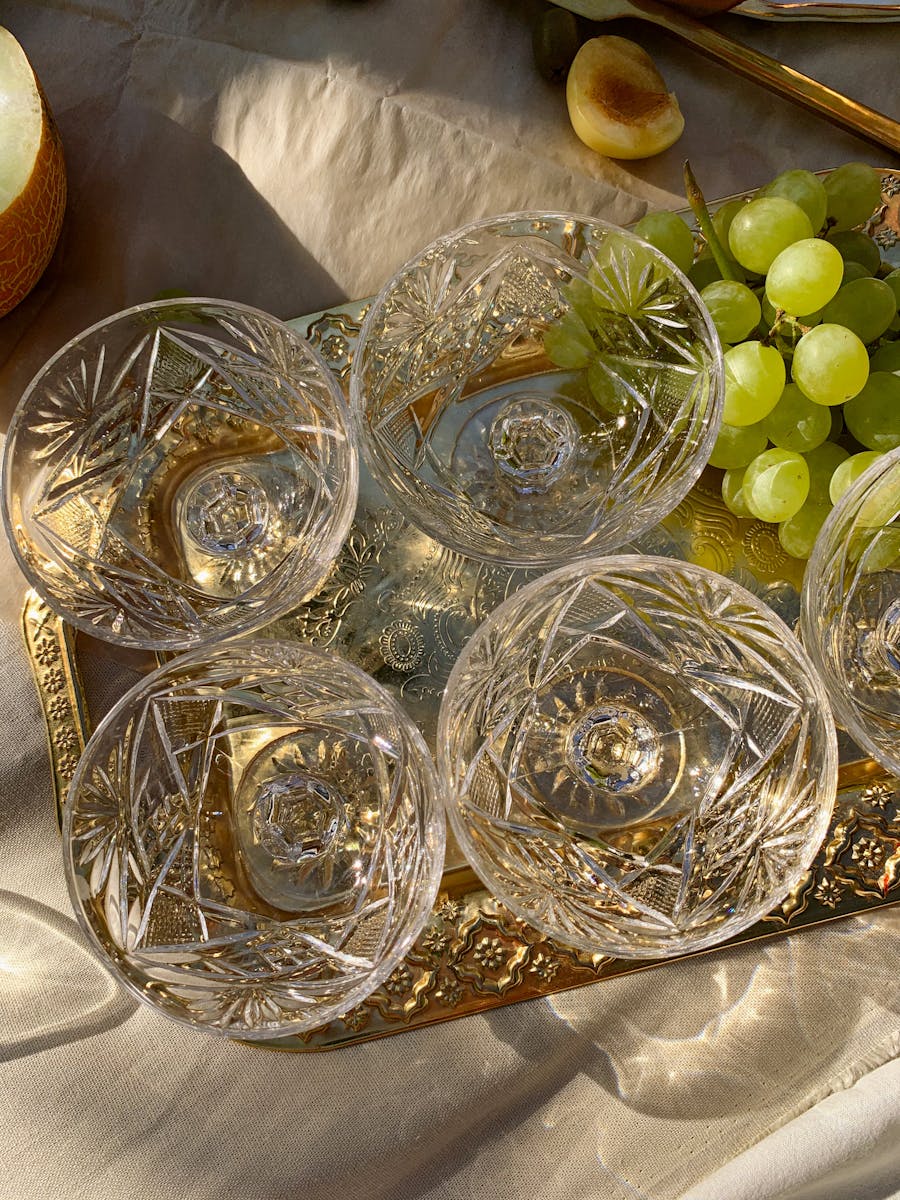
Retro holiday decor is having a serious comeback, and centerpieces are where that nostalgia really shines. When you pull ideas from different eras and tweak the styling, you get holiday tables that feel fresh instead of fussy. These ten vintage-inspired centerpieces all come straight from documented design history, yet each one can slide into a modern home without feeling like a theme party.
1. Aluminum Christmas Trees with Color Wheels
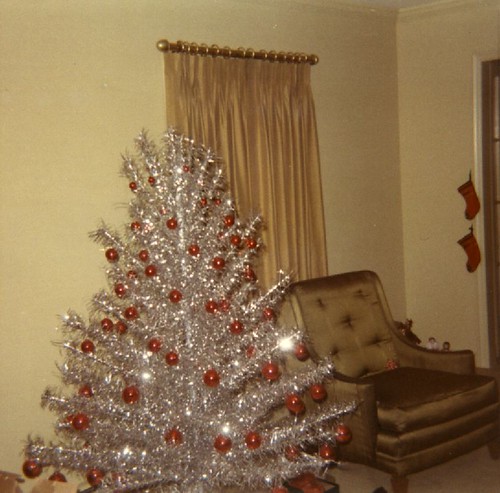
Aluminum Christmas trees instantly read retro, but they can look surprisingly sleek when you treat them like sculptural centerpieces. In 1950s American homes, these metallic trees exploded in popularity after the Addams Family TV show debut in 1964 featured silver versions lit by rotating color wheels. That detail matters, because the color wheel turns a static object into moving light, which feels very aligned with today’s love of ambient, programmable LEDs.
To keep the look modern, skip tinsel overload and let the aluminum branches stay mostly bare, maybe with a few monochrome ornaments. Place a tabletop tree in the center of a dining table, then angle a color wheel so the hues wash across nearby walls and glassware. The effect is graphic and almost digital, yet rooted in midcentury experimentation with new materials, which is exactly the kind of tension that makes a retro centerpiece feel current.
2. Hand-Blown Glass Ornaments from Lauscha
Hand-blown glass ornaments from Lauscha, Germany, bring a quieter kind of drama to the table. According to historical reporting on Victorian-era ornaments from Lauscha, glassblowers in the 1840s used silver nitrate inside the glass to create that mirrored shine collectors obsess over today. When you cluster those ornaments in a shallow bowl or along a runner, you are basically building a low, reflective sculpture that catches candlelight from every angle.
To keep the arrangement from feeling like a museum display, limit the palette to two or three colors and mix in matte pieces with the high-shine ones. You might line a simple ceramic tray with greenery, then nestle the Lauscha-style baubles on top so the silvered surfaces peek through. The historical craftsmanship gives the centerpiece weight, while the restrained styling speaks to modern minimalism and the current appetite for objects that show how they were made.
3. Macramé Holiday Spheres
Macramé holiday spheres are a clever way to pull 1970s craft culture into a 2020s room. In a detailed feature on retro fiber art, Joan Tapper’s macramé orbs are described as beaded spheres knotted from jute cord, adapted from classic plant hangers. That origin story matters, because it shows how a humble, utilitarian object can be reimagined as a sculptural form, which is exactly how contemporary designers treat textiles and rope.
For a centerpiece, you can cluster several macramé spheres in different sizes down the center of the table, tucking in sprigs of greenery or tiny LED fairy lights. The jute brings earthy texture, while the beads catch light in a way that feels almost like jewelry. This kind of fiber-based centerpiece also speaks to a broader shift toward handmade, sustainable decor, letting you reference the 1970s without leaning on avocado green or shag carpeting.
4. Art Deco Mirrored Trays
Art Deco mirrored trays from 1920s Parisian salons give you instant glamour with almost no effort. Reporting on vintage entertaining pieces describes 18×24 inch mirrored trays that were used to reflect candlelight and emphasize geometric lines. That scale is important, because a tray that large effectively becomes the base of your entire centerpiece, turning whatever you place on it into a curated vignette.
To keep the look modern, lean into negative space instead of covering every inch. A few pillar candles, a low vase of greenery, and maybe a single sculptural object are enough when the mirror is doing half the visual work. The crisp rectangles and repeated reflections echo current trends in chrome and high-shine finishes, while the Deco geometry keeps the whole setup from feeling too soft or rustic. It is a simple way to make your table feel like a downtown cocktail bar, even if you are serving pot roast.
5. Scandinavian Beeswax Candles
Scandinavian beeswax candles tap into hygge without sliding into cliché. Detailed coverage of Nordic holiday traditions notes that 1960s candles from Danish firm Nordisk Hus were poured in beeswax and designed to burn for 40 hours each. That long burn time is not just a technical detail, it signals a culture built around lingering at the table, which is exactly what you want from a centerpiece during long winter nights.
To adapt the look, line several beeswax pillars of varying heights down a simple runner, keeping the rest of the decor very restrained. The warm, natural color of beeswax pairs well with stoneware plates and linen napkins, so the whole table feels calm instead of cluttered. In a moment when people are rethinking their relationship to synthetic fragrances and disposable decor, a centerpiece built around slow-burning, naturally scented candles feels both retro and forward-looking.
6. Edwardian Feather Boa Drapes
Edwardian feather boas might sound theatrical, but they can read surprisingly chic when you edit them. Historical accounts of London theater style describe 1910s feather boas dyed in holiday reds and greens, draped over ornate epergnes. That pairing of soft feathers with structured metal or glass created a deliberate contrast, which is a trick modern stylists still rely on to keep arrangements from feeling flat.
To translate that idea now, you can coil a single feather boa around the base of a simple glass compote or minimalist metal bowl, letting a few plumes spill onto the table. The key is to keep the rest of the palette neutral so the feathers feel like an accent, not a costume. This approach nods to Edwardian excess while still fitting into a contemporary dining room, and it shows how even overtly glamorous materials can be tamed with cleaner lines.
7. Neon-Lit Reindeer Figurines
Neon-lit reindeer figurines bring unapologetic 1980s energy to the holiday table, but they can still feel intentional rather than kitschy. A detailed review of retro tech decor highlights 12-inch glowing reindeer by Sonya Ltd., Japanese imports that used neon-style lighting to outline classic holiday shapes. That combination of familiar icon and high-voltage glow is exactly what makes them ripe for a modern reinterpretation, especially if you are already playing with colored LED strips at home.
For a centerpiece, you might place a single neon reindeer on a matte black tray, then surround it with simple glass cylinders or clear ornaments so the light bounces around. Keeping everything else transparent or monochrome lets the neon become the graphic focal point. It is a playful way to acknowledge the era of arcade games and Walkmans while still fitting into a contemporary space that values bold, graphic lighting as part of the overall design language.
8. Walnut Wooden Reindeer Sculptures
Walnut wooden reindeer sculptures by Isamu Noguchi offer a completely different take on the same motif. According to design archive notes, Noguchi created 14 inch tall reindeer in 1955, carved from walnut in a streamlined, mid-century modern style. Those exact dimensions and material choices matter, because they turn a potentially cutesy subject into a serious piece of design that can hold its own next to contemporary furniture.
To build a centerpiece around this idea, you can position one or two wooden reindeer in the middle of the table, then keep everything else very low, like greenery clippings or short votives. The warm walnut grain adds depth without shouting, and the sculptural silhouettes echo the clean lines of modern chairs and light fixtures. In a broader sense, using a mid-century design object as your focal point signals that you see holiday decor as part of your overall aesthetic, not a seasonal exception.
9. Wartime Pinecone Garlands
Wartime pinecone garlands bring in a quieter, more resourceful kind of nostalgia. Documentation of U.S. homefront traditions describes 1940s Victory Garden garlands made from pinecones and berries, strung together with 24-gauge wire. That specific gauge is a reminder that these decorations were engineered to be sturdy and reusable at a time when materials were rationed, which resonates with current conversations about waste and sustainability.
To adapt the idea, you can coil a pinecone garland down the center of the table, weaving in a few fresh branches or herbs for scent. The mix of rough cones, glossy berries, and flexible wire gives you a lot of texture without needing plastic or glitter. This kind of centerpiece feels grounded and handmade, and it quietly connects your holiday table to a period when people were forced to be intentional about every scrap they used.
10. Crystal Punch Bowls with Cranberries
Crystal punch bowls from the Roaring ’20s prove that one dramatic object can carry an entire table. Detailed entertaining guides describe Waterford crystal bowls from Ireland that held 96 ounces and were often filled with punch studded with floating cranberries. That combination of heavy cut crystal and bright red fruit created a centerpiece that was both functional and visually striking, catching light from every direction.
To modernize the look, you can fill a vintage-style bowl with sparkling water, citrus slices, and cranberries, then let guests ladle their own drinks. Surround the base with a simple ring of greenery or tea lights and skip additional clutter. The etched crystal patterns feel timeless, while the clean, fruit-forward drink aligns with today’s interest in low-alcohol or alcohol-free options. It is a reminder that the most effective centerpieces often earn their place by doing double duty at the table.
More from Vinyl and Velvet:

Leave a Reply