

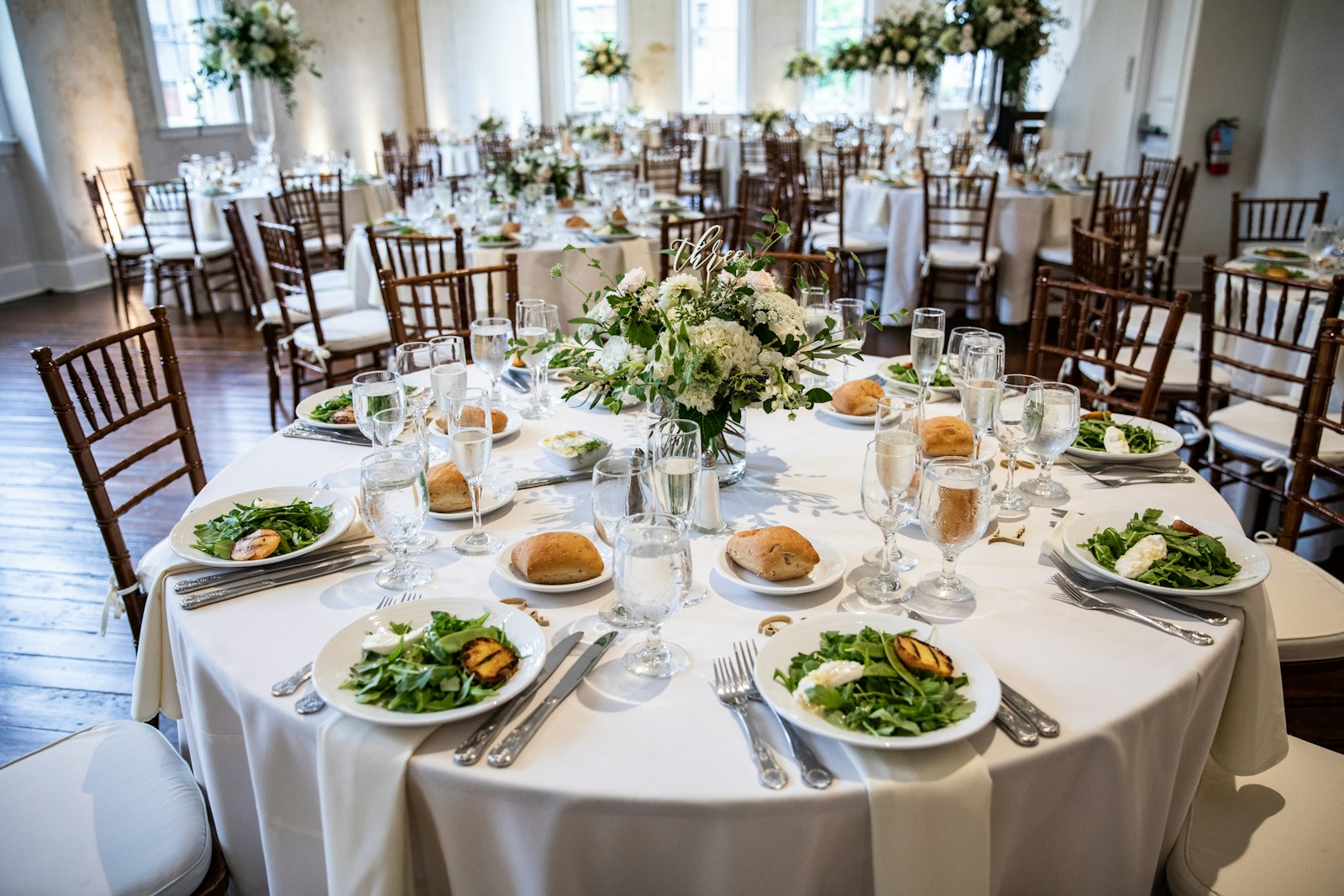
A bride-to-be is facing backlash over her strict decision to serve only vegan food at her upcoming wedding, despite the groom’s parents, who are funding the event, wanting to include meat options. The bride, a dedicated vegan for six years, expressed her strong feelings about food choices, insisting that “eating vegan is the only moral choice.” Her stance has led to a heated argument with her future in-laws, who are uncomfortable with the lack of meat at the reception.
The conflict centers around the bride’s cousin, who revealed the situation online, detailing how the groom’s family feels sidelined in their contribution to the wedding. The groom, who identifies as a situational vegan—eating vegan when dining with the bride but not otherwise—has not taken a firm stance against the bride’s desires, further complicating the expectations for the event. As the couple navigates their wedding planning, the bride’s cousin is caught between supporting her cousin’s beliefs and acknowledging the perspectives of the groom’s family.
While the bride’s commitment to veganism is commendable, it raises a question about the role of those funding an event. The groom’s parents are paying for a large portion of the wedding, and they feel they should have a say in the menu. They argue that if they are covering the costs, their wishes should be considered, especially given the broader mix of family and friends attending, many of whom are not vegan.
The bride’s declaration that “paying for the meal does not buy them an opinion” has stirred various reactions. To some, her conviction is admirable; to others, it comes across as inflexible. The cousin expressed empathy for both sides, understanding the bride’s strong values but also recognizing the groom’s family’s discomfort with an entirely vegan menu. The cousin noted that the groom’s desire for a mix of options is worth considering, given that the celebration involves more than just the couple.
The situation escalates as the couple tries to reconcile these differing viewpoints. The bride’s determination to serve only vegan food reflects a larger trend in dietary choices, where many people feel passionately about their food preferences based on ethical, health, or environmental reasons. But this fervor can clash with family traditions and expectations, particularly in celebratory contexts like weddings.
In the wake of this disagreement, conversations have turned to the impact of such decisions on family dynamics. Some observers argue that weddings should be about compromise and inclusivity, while others champion the idea that the couple should prioritize their values over the preferences of guests. One person told the cousin, “It’s her day, she gets to choose,” advocating for the bride’s right to dictate the menu.
Another reader pointed out the importance of catering to all guests, suggesting that a balance could be struck with a mix of vegan and non-vegan options. This perspective emphasizes hospitality, especially in a family setting where everyone should feel welcome and considered.
The bride’s decision appears to be fueled by strong convictions about veganism as a lifestyle choice. Many vegans see their dietary restrictions as essential to their identity, making it challenging to navigate traditional events like weddings. However, it also raises questions about the importance of inclusivity in communal celebrations, where many perspectives and preferences converge.
As the wedding approaches, the couple finds themselves at an impasse. The bride clings to her vision for a vegan reception, while the groom’s family continues to voice their desire for meat options. The situation has created tension, not only between the families but also within the couple’s relationship as they try to reach a consensus on a significant aspect of their wedding.
Despite the challenges, both sides express hopes for a resolution that honors both the bride’s values and the wishes of the groom’s parents. As they navigate these discussions, the couple must weigh their personal convictions against the expectations and traditions of the family they are marrying into.
In the meantime, the cousin remains unsure whether to intervene further or let the couple resolve the issue on their own. The unfolding dispute highlights the complexities of wedding planning and the interplay between personal beliefs and collective celebration. With the summer wedding date looming, the couple’s decisions may set a precedent for how they handle disagreements in their future together.
More from Vinyl and Velvet:

Leave a Reply