

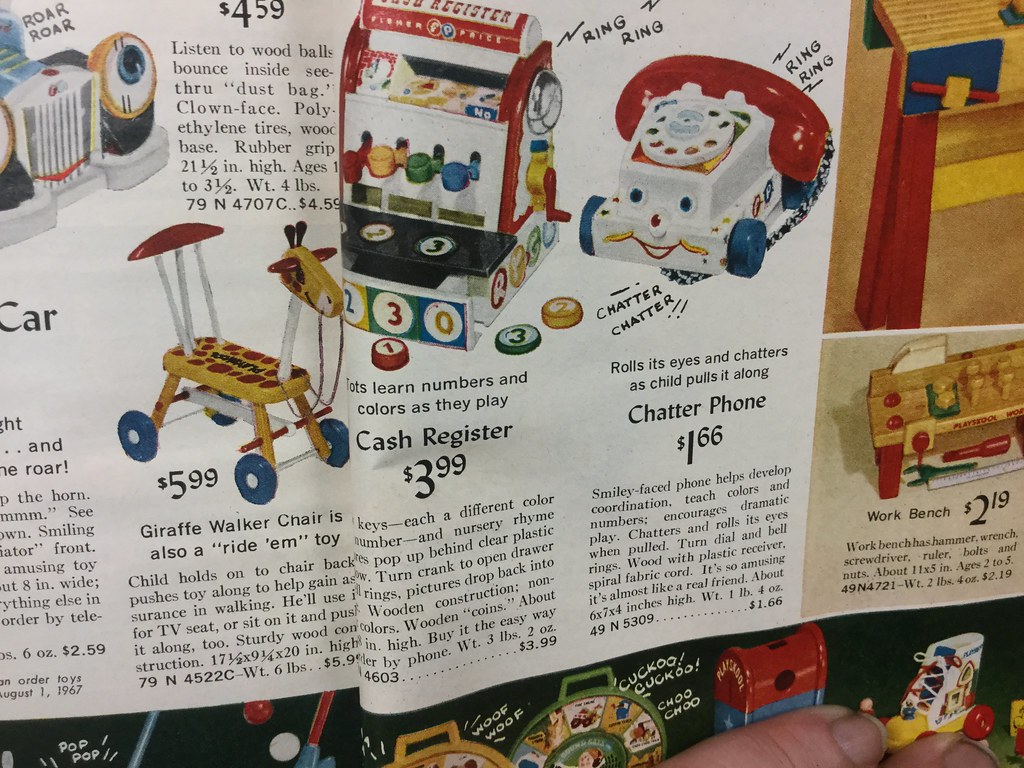
For kids who grew up in the 1970s, Christmas was a slower, more analog kind of magic. Holiday wish lists were built with paper, ink, and patience, and the big moments happened on living room carpets instead of smartphone screens. Here are seven things from ’70s Christmases that would leave most kids today completely baffled.
1. The Sears Wish Book Catalog
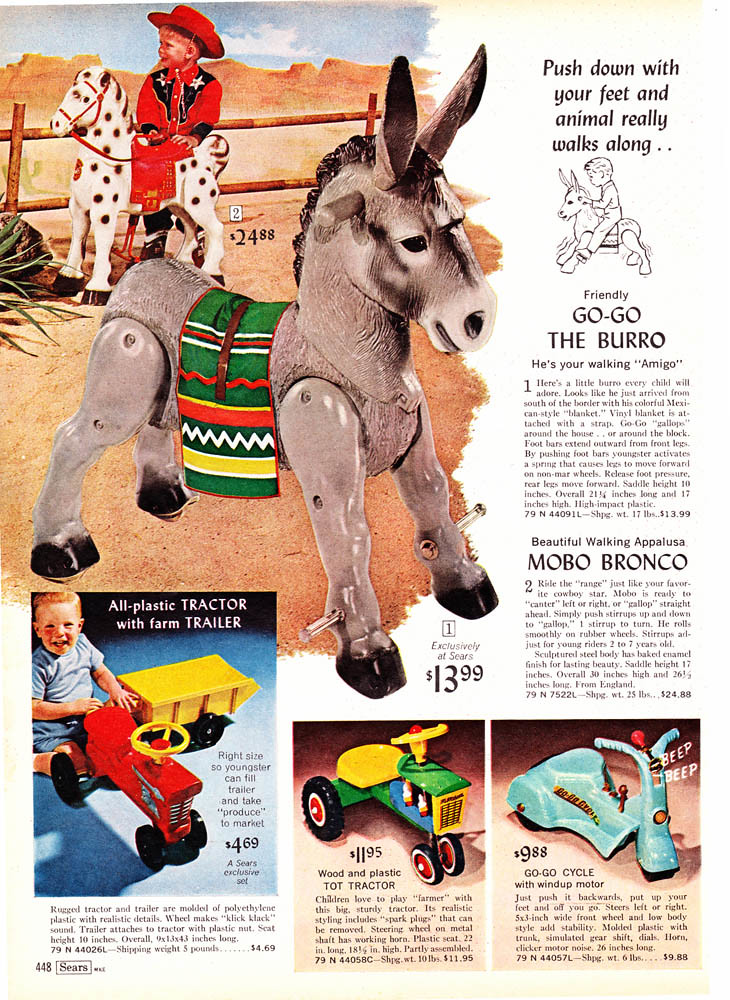
The Sears Wish Book was not just a catalog, it was the unofficial kickoff to the season. Families waited for that thick Christmas edition to land in the mailbox, then kids dove into its toy section like it was treasure. Reporting on the history of the Sears Wish Book notes that it really did live up to its name, giving children and adults a place to dream about what Santa might bring. For many households, it doubled as both entertainment and shopping list.
That ritual is almost impossible to explain to a generation raised on instant Amazon searches and TikTok gift guides. Kids today can scroll endlessly, but they rarely experience the slow, page-by-page build of anticipation that came from dog-earing corners and memorizing item numbers. The stakes felt higher, too, because parents often ordered only once, so circling the “right” toys became a serious strategic decision.
2. Aluminum Christmas Trees
Aluminum Christmas trees turned living rooms into something that looked closer to a sci-fi set than a cozy cabin. According to coverage of ’70s holidays, these aluminum Christmas trees were a popular alternative to real evergreens, with shiny metallic branches that did not need watering or vacuuming. Instead of strings of lights, many families used a rotating color wheel on the floor, which slowly washed the tree in red, blue, green, and yellow.
To kids now, used to app-controlled LEDs and pre-lit artificial trees, the idea of a single spotlight changing colors might feel oddly low-tech. Yet that simple setup created a hypnotic glow that defined the room. It also reflected a broader ’70s fascination with futuristic materials and bold colors, a trend that showed up in everything from furniture to toys and shaped how the season literally looked.
3. Circling Items in Mail-Order Catalogs
Beyond the Wish Book, kids in the 1970s treated every thick mail-order catalog like a personal playground. One account of childhood explains how children spent hours circling items in Sears and similar books to build their Santa lists, long before anyone could browse online. Pens and highlighters turned those pages into a visual map of pure desire, complete with stars, arrows, and sometimes negotiations scribbled in the margins.
That analog process meant kids had to slow down and really study what they wanted, comparing toys and reading descriptions instead of watching quick unboxing videos. It also gave parents a clear, if heavily marked-up, guide to what might show up under the tree. For younger generations used to tapping “add to cart” in seconds, the idea of waiting for a catalog, then waiting again for an order, shows just how patient ’70s holiday culture really was.
4. Gathering Around the Rotary Phone
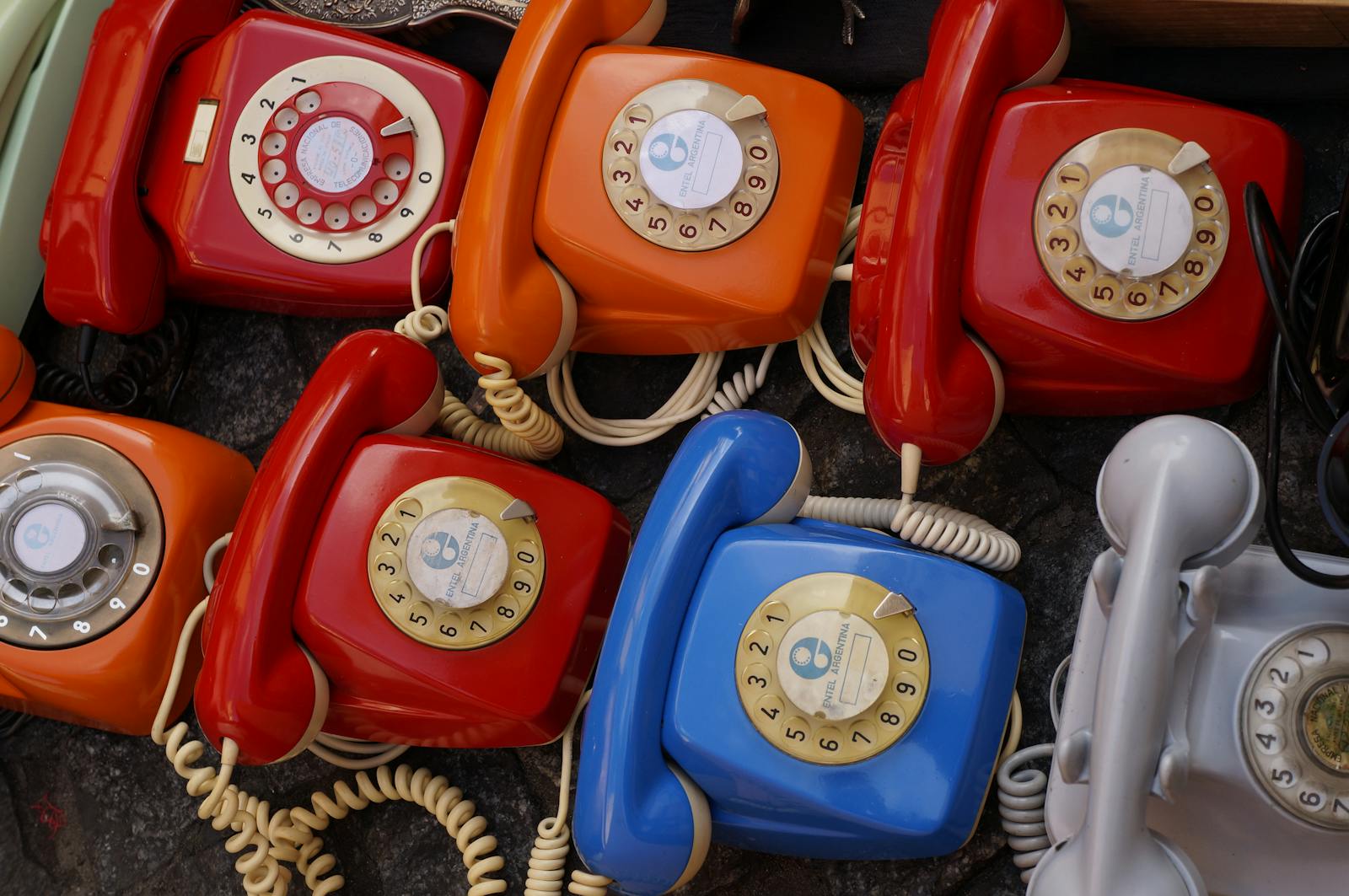
Holiday calls in the ’70s revolved around a single, very physical object: the rotary-dial phone. As one nostalgic account notes, rotary-dial phones meant the whole family gathered around one device to call relatives on Christmas Eve. There were no speakerphones, no FaceTime, and certainly no group texts, just the sound of a distant ring and the thrill of hearing a grandparent’s voice crackle through the line.
Kids today might be baffled by the idea of taking turns on a landline, carefully dialing each number in a circle and starting over if a finger slipped. Yet that shared ritual made long-distance relatives feel like part of the night, even when they were states away. It also underscored how rare and special those connections were, compared with the constant, low-stakes contact made possible by smartphones and video calls now.
5. Annual TV Holiday Specials
In the 1970s, holiday TV was appointment viewing in the most literal sense. Classic specials like Rudolph the Red-Nosed Reindeer aired only once a year on broadcast television, with no DVR, streaming, or on-demand reruns. If a kid missed it because of a school concert or a late dinner, that was it until the next December, which raised the stakes for being in front of the set at exactly the right time.
Families built entire evenings around those broadcasts, planning snacks, pajamas, and even when to decorate the tree so they could watch together. That scarcity created a shared cultural moment, where classmates all talked about the same scenes the next day. For children raised on Netflix, Disney+, and endless replays, the idea that a beloved special could simply vanish for a year feels almost unthinkable, highlighting how different media shaped the rhythm of ’70s Christmases.
6. Weeks-Long Wait for Mail-Order Gifts
Ordering toys in the ’70s meant embracing a kind of suspense that two-day shipping has almost erased. Reports on catalog culture describe how families used mail-order forms to buy toys via mail-order catalogs, then waited weeks for the postal service to deliver them. There were no tracking numbers, no push notifications, just a vague estimate and a lot of hope that everything would arrive before Christmas morning.
That long delay actually amplified the magic for many kids, who spent the waiting period imagining what the toys would feel like and how they would use them. Parents, on the other hand, had to plan far ahead, budgeting both money and time to avoid last-minute disasters. Compared with today’s near-instant gratification, the process shows how patience and planning were baked into the holiday experience, shaping expectations around gifts and surprises.
7. Hand-Delivered Letters to Santa
Before Santa-tracking apps and online wish forms, kids sat down with pen and paper to spell out their dreams. Accounts of childhood traditions describe how children wrote handwritten letters to Santa, then dropped them into mailboxes or even fireplaces, trusting that the message would somehow reach the North Pole. Spelling mistakes, doodles, and crossed-out items all became part of the charm.
That ritual did more than list toys, it taught kids how to express what they wanted and why, often with a little coaching from parents. It also fit into a broader culture where writing letters, not texts, was the default way to communicate, from pen pals to thank-you notes. For younger generations used to instant messaging and curated wish lists on shopping apps, the idea of a letter disappearing into a chimney and relying on pure belief, rather than a delivery confirmation, captures just how different ’70s Christmas magic really felt.
More from Vinyl and Velvet:

Leave a Reply