

Vintage Christmas ceramics are having a serious moment, with collectors paying top dollar for pieces that once sat quietly on Grandma’s buffet. From tiny village houses to quirky cow creamers, these finds mix nostalgia with real resale value. For anyone digging through family boxes or cruising thrift aisles, here are eight specific ceramics that buyers are actively hunting for right now.
Department 56 Holiday Village Houses
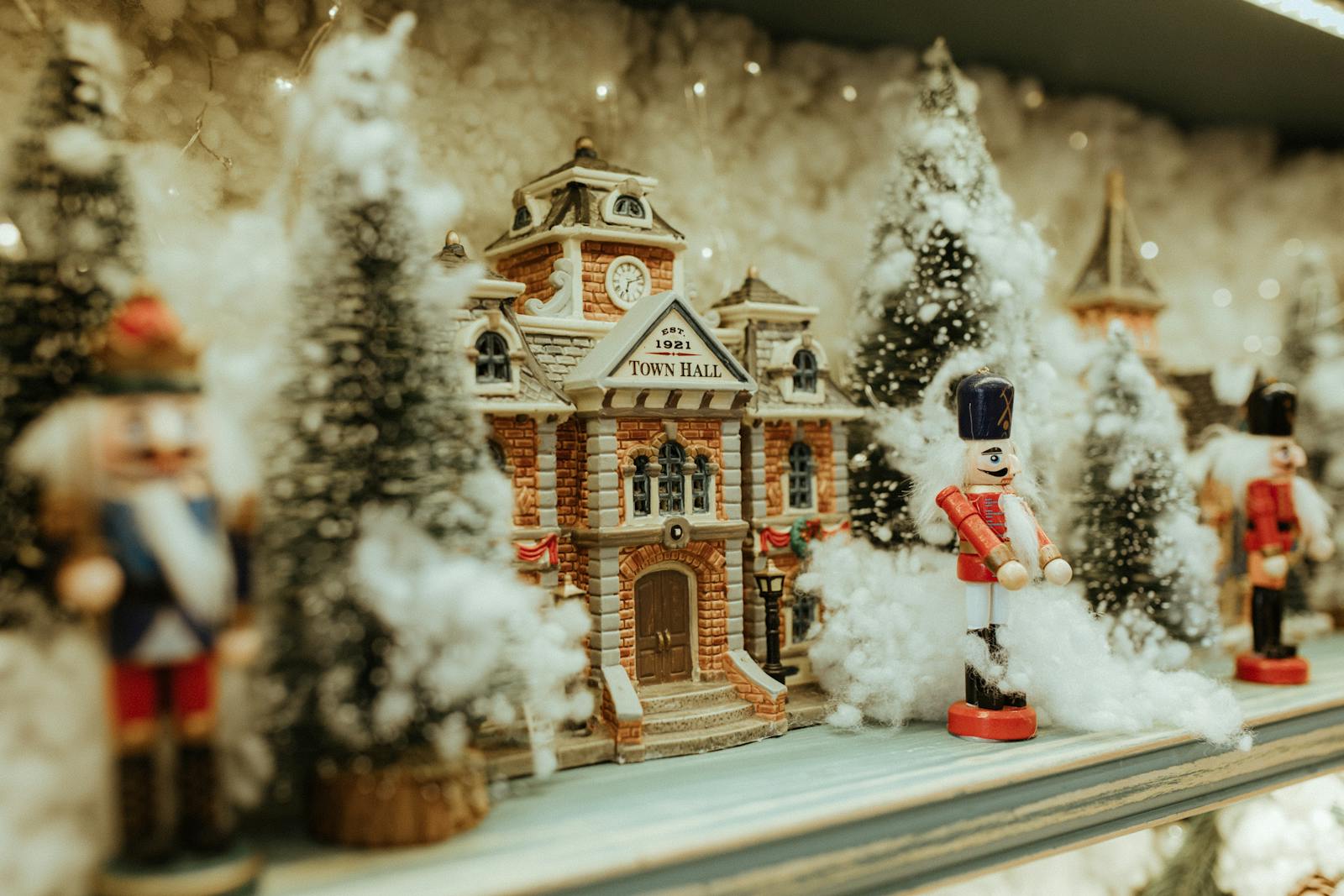
Department 56 Holiday Village Houses are the quintessential tabletop Christmas town, and collectors know it. Detailed ceramic buildings from the 1980s, often wired with tiny lights and packed with snow-dusted trim, are singled out in guides to top vintage Christmas ceramics that bring serious money. Early runs, retired designs, and complete streetscapes tend to spark bidding wars, especially when the original boxes and inserts are still intact.
For sellers, the stakes are clear: a random “old village house” might look like clutter, but a labeled Department 56 church or bakery from the 1980s can cover a chunk of the holiday budget. Buyers, meanwhile, are chasing the chance to rebuild the exact snowy town they remember from childhood mantels, which keeps prices strong for even modestly sized collections.
Lenox Christmas Tree Ornaments
Lenox Christmas Tree Ornaments sit at the sweet spot where fine china meets holiday décor. Reporting on heirlooms that might be worth more than people think points out that Lenox holly ornaments, from bells to small figurines, are a standout category of vintage Christmas ceramics that collectors pay up for, noting that Lenox holly ornaments are especially desirable when they are in good condition. That same tradition carries into modern lines of Ornaments Made of Porcelain with Gold Accents, marketed as a Christmas Tree Decoration that Features Gold Cord for Hanging.
Because Lenox pieces are often gifted one at a time, complete sets from the mid‑20th century are surprisingly rare, which is exactly why collectors chase them. Their creamy porcelain, subtle holly borders, and real gold trim read as “grown‑up Christmas,” so buyers are willing to pay more for pristine examples that can anchor a formal tree or china cabinet display.
Royal Doulton Santa Figurines
Royal Doulton Santa Figurines bring a more old‑world feel to the holiday shelf. Hand‑painted ceramic Santas from the 1950s are highlighted among vintage Christmas ceramics that command premium prices, especially when they are clearly marked and retain their original finish. Limited editions, or versions produced for only a short run, tend to be the ones that surface in higher‑end auctions and specialty sales.
Collectors like these figurines because they capture a very specific mid‑century idea of Santa, with detailed robes, expressive faces, and careful shading that cheaper knockoffs never quite match. For families sorting through inherited décor, spotting that Royal Doulton backstamp can turn a dusty Santa into a serious asset, particularly if the paint is crisp and there are no chips along the base or beard.
Spode Christmas Tree Platters
Spode Christmas Tree Platters prove that serving pieces can double as investment pieces. The iconic tree pattern, printed on durable earthenware, shows up repeatedly in roundups of vintage Christmas ceramics that collectors are willing to pay top dollar for, especially examples from the 1960s. Larger platters and unusual shapes, like divided servers or handled trays, tend to draw the most attention.
Part of the appeal is that these platters still work hard at the holidays, moving from display rack to dinner table without feeling too precious. That mix of function and nostalgia means demand stays strong, and prices follow, particularly for early backstamps and pieces with minimal utensil marks. For sellers, it is a reminder that the “old turkey platter” might actually be a Spode Christmas Tree workhorse with real collector value.
Hummel Christmas Nativity Scenes
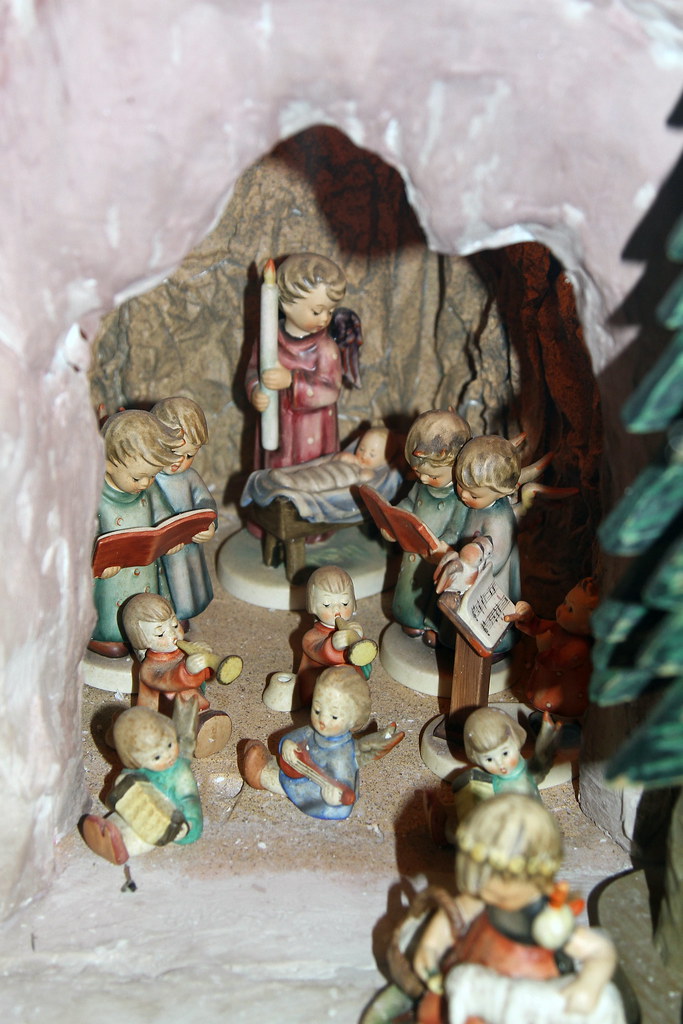
Hummel Christmas Nativity Scenes tap into both religious tradition and collecting culture. Delicate porcelain figures of the holy family from the 1940s are singled out among vintage Christmas ceramics that bring higher prices, especially when all the original characters are present. Sets that include Mary, Joseph, the infant Jesus, and the classic shepherds and animals tend to be the most sought after.
Because these pieces were often displayed and handled every year, complete, undamaged sets are not easy to find. That scarcity, combined with the recognizable Hummel style, pushes collectors to pay more when a full nativity surfaces. For families, it means that the small, carefully painted manger scene tucked into a box of decorations might be one of the most valuable items in the attic.
Bing & Grondahl Danish Christmas Plates
Bing & Grondahl Danish Christmas Plates are a textbook example of how annual series can turn into serious collectibles. The company’s porcelain Christmas plates, issued every year starting in the 1890s, are highlighted as a classic vintage ceramic that buyers chase, with early editions like the 1908 “Church Going to Vespers” often selling for top dollar. Modern listings for a Lot of Vintage BING GRONDAHL Danish Porcelain Christmas Plates from 1968 to 1972 show how even mid‑century runs attract attention.
Collectors like the way each plate captures a different winter scene, from quiet churches to snowy streets, all in that distinctive blue‑and‑white palette. The stakes are highest for anyone who has a long, unbroken run of years, since complete sequences can bring a premium. That is why people who inherit a stack of these plates are increasingly checking pattern names and dates before donating them.
Wedgwood Holly & Berry Teapots
Wedgwood Holly & Berry Teapots bring holiday flair to the brand’s famous jasperware. These blue ceramics with raised white reliefs of holly and berry motifs, produced in the 1970s, are called out among vintage Christmas ceramics that collectors are willing to spend real money on. The combination of the classic Wedgwood blue body with seasonal detailing makes them stand out from everyday teapots.
Because they were often used as display pieces rather than daily workhorses, many Holly & Berry teapots survive in excellent condition, which keeps the market active. Collectors see them as a way to blend British heritage design with a subtle Christmas nod, and sellers who recognize the pattern can price accordingly instead of treating them like generic holiday serveware.
Vintage Cow Creamers
Vintage Cow Creamers might not scream Christmas at first glance, but they are exactly the kind of quirky ceramic that shows up on festive tables and in collector wish lists. Guides to thrift‑store scores flag vintage cow creamer designs as worth hunting for, especially 19th‑century English versions in white porcelain shaped like standing cows. Modern resale listings, such as a Vintage Festive Ceramic MWW Market Cow Creamer Milk Item described as in good condition, Pre owned, Unboxed, and Sold as is, show how even newer examples attract attention.
Collectors love these because they add personality to a holiday coffee station or dessert spread, and the older they are, the more character they tend to have. For thrifters, the stakes are simple: recognizing a well‑made cow creamer can turn a couple of dollars into a much bigger return, especially when the glaze, mold details, and markings point to an earlier maker.
More from Vinyl and Velvet:

Leave a Reply