

Some people inherit stocks, others inherit a box of tangled tinsel that smells faintly of dust and nutmeg. Increasingly, that second group is discovering their “junk” is worth a small fortune, especially when it comes to vintage Christmas decorations. From fragile German glass to cardboard Santas, the attic is starting to look less like storage and more like a seasonal savings account.
1. Kugel Blown-Glass Ornaments

Kugel blown-glass ornaments are the blue-chip stocks of the Christmas tree world, only shinier and more likely to shatter. These large, thin-walled spheres from 19th-century Germany were handblown and silvered on the inside, which is why collectors now pay thousands for surviving examples. Guides to vintage items worth a fortune show how age, rarity and original packaging can turn old glass into serious money, and Kugels tick every box. Their value climbs with unusual colors, original caps and, crucially, a total lack of cracks.
For families, the stakes are simple: that heavy “grandma ornament” might be worth more than the entire tree. Kugels were often passed down as heirlooms, then forgotten in tissue paper at the bottom of a box. Collectors look for rich jewel tones, grape-cluster shapes and authentic German hardware. Anyone tempted to hang one on a modern tree should think twice, because one clumsy cat could erase a four-figure payday in a single festive leap.
2. Dresden Paper and Foil Angels
Dresden paper and foil angels prove that cardboard can be more lucrative than cryptocurrency, provided it is over 100 years old and covered in tinsel. These delicate German ornaments, embossed in relief and finished with metallic foil, were never meant to survive a century of basements. Yet price guides to old collectibles worth a fortune show that fragile packaging and intricate craftsmanship often command premium prices, and Dresden angels fit that pattern perfectly.
Collectors prize crisp embossing, intact wings and original glitter that has not migrated onto everything else in the box. Because they were lightweight, families tucked them into Bibles, hatboxes and random drawers, which is why they still surface in “mystery piles” of holiday clutter. For sellers, the implication is clear: before tossing any flat angel that looks like it escaped from a Victorian scrapbook, it is worth checking whether that flimsy halo comes with a surprisingly solid market value.
3. Early Putz Houses
Early Putz houses, those tiny cardboard villages that once huddled around train sets, now function as miniature real estate portfolios. These 1920s to 1940s buildings, often dusted with mica “snow,” are exactly the kind of seasonal decor that experts flag as holiday collectibles worth hundreds. Complete villages with churches, shops and houses can add up to a small fortune, especially when original fences and bottlebrush trees are still standing.
The market rewards bright, unfaded colors and intact windows, which is impressive given that many Putz houses spent decades in damp attics. Families who kept them boxed by set, instead of tossing them into a random bin, often see the best returns. For collectors, these villages capture a specific midcentury fantasy of Main Street, USA, and that nostalgia translates directly into bidding wars whenever a pristine cardboard cul-de-sac hits the market.
4. Vintage Cardboard Santa Figures
Vintage cardboard Santa figures prove that the jolliest man in red also has a serious side hustle. These die-cut displays, often used in shop windows from the 1930s to the 1950s, were meant to sell toys, not pay for someone’s retirement. Yet modern guides to yard sale items worth money highlight old advertising pieces as sleeper hits, and promotional Santas are no exception.
Collectors look for crisp printing, bright reds and recognizable brands, from department stores to soda companies. A Santa holding a product logo can be especially valuable, since it blends Christmas nostalgia with advertising history. For families, the stakes are amusingly high: that giant Santa that once terrified toddlers in the living room might now be worth more than the gifts he “brought.” Before folding him in half to fit another box, it is worth checking recent auction results.
5. Hallmark Keepsake Ornaments from the 1970s
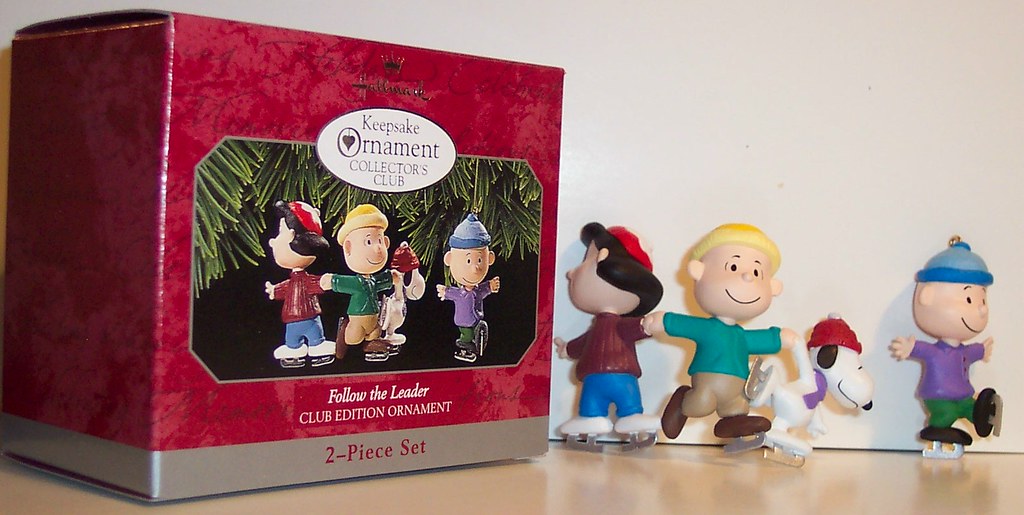
Hallmark Keepsake ornaments from the 1970s are the collectible equivalent of buying tech stock before anyone knew what a smartphone was. Early plastic and glitter designs from this line now sell for far more than their original price, especially when they still sit in their original boxes. Lists of valuable Christmas decorations repeatedly flag branded ornaments as surprisingly strong performers, and Keepsakes have a devoted fan base that treats checklists like sacred texts.
Condition is everything, right down to the tiny price tag printed on the box flap. Limited editions, first-in-series pieces and pop culture tie-ins tend to climb fastest. For families, the implication is that the ugliest little plastic mouse from 1976 might be the star of the collection. Tossing the box “to save space” can cut value dramatically, so anyone decluttering should resist the urge to separate ornament from cardboard.
6. German Glass Icicle Ornaments
German glass icicle ornaments are the runway models of the tree, tall, fragile and slightly intimidating. These elongated, hand-painted pieces from the 1880s to the 1920s were designed to catch candlelight, which is ironic given how often open flames tried to destroy them. Modern collectors, as highlighted in guides to ornaments worth thousands, pay particular attention to early European glass with distinctive shapes and original paint.
Surviving icicles often show wear at the tips, so examples with crisp points and intact silvering can command serious prices. Sets of matching icicles are even more desirable, especially when they still live in their original cardboard sleeves. For families, the stakes are sharp: those “old drippy things” that no one wants to untangle may be worth far more than the modern LED lights that replaced them.
7. British Holly and Berry Glass Baubles
British holly and berry glass baubles prove that even “common” ornaments can quietly appreciate like a well-chosen index fund. Reports urging Britons to check decorations describe five everyday items that could total £700, with midcentury glass baubles among the standouts. Many of these pieces were German imports sold through British shops, which adds cross-border appeal for collectors.
Designs featuring painted holly leaves, red berries and frosted finishes are especially sought after, particularly when found in matching sets. Original cardboard boxes with British department store labels can boost value further. For families, the message is clear: that slightly lopsided box of “old glass balls” in the loft might be less trash and more tax-free bonus, provided no one dropped half the set during the 1987 tree incident.
8. Shiny Brite Ornament Sets
Shiny Brite ornament sets are the poster children for mass-produced items that aged into collectibles. These American glass balls from the 1940s to the 1960s were once so common that entire neighborhoods had matching trees. Now, price guides note that individual Shiny Brite ornaments can sell for between $5 and $90, and that Many vintage pieces can fetch prices up to $90 or more for a single piece.
Complete sets in their original boxes are the real prize, especially with rare color combinations or stencil designs. For families, the stakes are almost comic: the box that everyone uses to prop up a wobbly table leg might contain ornaments that collectors treat like fine art. Keeping the cardboard inserts, price stickers and even the brittle cellophane can make the difference between “cute” and “cashable.”
9. Victorian Era Tinsel Garlands
Victorian era tinsel garlands are proof that early adopters of shiny things sometimes win big. These strands, often made with real metal and glass beads, predate the plastic icicles that later tried to strangle every cat in the living room. Collectors who love collecting retro Christmas decor point out that original tinsel is increasingly rare, since most of it was either thrown away or slowly disintegrated into glittery dust.
Surviving garlands with intact beads and minimal tarnish can command impressive prices, especially when they come with family provenance. For modern owners, the stakes are delicate: one overenthusiastic attempt to untangle a knot can snap century-old wire. Anyone tempted to drape it casually over a doorway should remember that this is less party decoration and more wearable investment portfolio.
10. Rare Figural Blown-Glass Animals
Rare figural blown-glass animals are the whimsical heavy hitters of the vintage ornament market. Pre-1930s European makers turned out deer, birds and entire menageries, many of which now sell for thousands when they match documented Vintage Christmas Decorations Worth a Lot Of Money Hiding In Your Storage. Collectors also chase related pieces like Ceramic Christmas Trees, Shiny Brite Ornaments and Feather Trees, which shows how broad the appetite is for early holiday whimsy.
Condition and rarity drive prices, with unusual animals and original clips or hooks at the top of wish lists. For families, the stakes are almost cartoonish: that slightly creepy glass squirrel might be the most valuable thing on the tree. Before letting kids “play store” with the old ornaments, it is worth checking whether the toy deer is actually a six-inch retirement plan.
More from Vinyl and Velvet:

Leave a Reply