

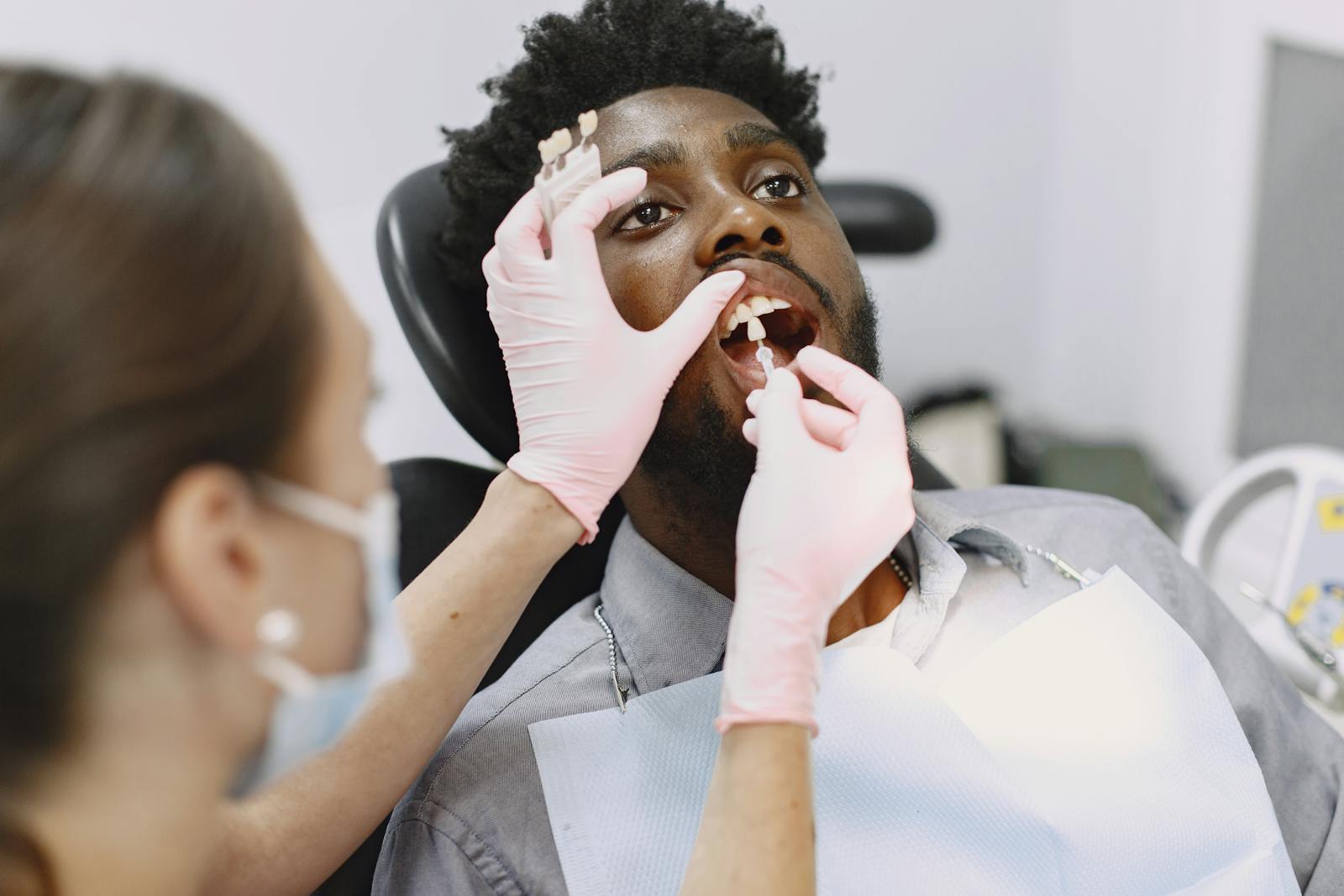
A Bucks County woman discovered that her husband’s dental practice had posted his before-and-after tooth photos on Instagram without his permission. The couple learned about the posts after a staff member remarked at a follow-up appointment that the husband was “Instagram famous,” which left them baffled as he does not have any social media accounts.
The husband had undergone dental work over the past year, which included having photos taken for his patient records. When the couple checked on the practice’s Instagram page using their daughter’s account, they found not just one, but three Instagram pages featuring his images. The photos included two close-ups of his teeth and two full-face shots. The before picture, which reflected his dental issues, was particularly embarrassing.
The couple soon realized that the photos were not only shared on the dental practice’s Instagram page but were also tagged to another dentist who co-owns the practice. This prompted them to question the legality of the posts, as the husband had signed forms that included a HIPAA agreement, which typically prevents the disclosure of patient information without consent.
The wife meticulously reviewed the online forms her husband filled out. To their dismay, nothing indicated that his photos would be used for promotional purposes. The couple felt that they had been misled, as they believed the photographs were strictly for medical documentation.
After discovering the posts, the husband sent two separate emails to the dental office requesting the removal of the images. Both requests went unanswered, although the dental practice did respond to him regarding unrelated dental work. This lack of response raised further concerns for the couple about the practice’s professionalism and respect for patient privacy.
The situation has left the couple wondering what steps they can take. They are now seeking advice on whether they have grounds for legal action or if they should consult a lawyer who specializes in healthcare privacy issues. They worry about the implications of unauthorized photos being shared on social media, especially given that they believed their private information would remain confidential.
One reader suggested that the couple document all communications with the dental practice, stating, “Keep all records of your emails. If you need to take further steps, this will help your case.”
Another reader pointed out the potential violation of HIPAA regulations, emphasizing the importance of privacy in healthcare. “If they really are using those photos without consent, they could be in big trouble,” they stated.
As the couple considers their next move, they feel increasingly frustrated by the dental practice’s disregard for their requests. They had expected to receive care and professionalism, not to find themselves battling for their rights as patients. The wife now finds herself in a position of uncertainty, weighing her options between pursuing legal recourse or letting the matter slide in hopes that the practice will eventually comply with their request.
As they navigate this troubling situation, they continue to seek insight and support from others who may have faced similar experiences. The couple is learning the hard way that not all medical providers prioritize patient consent and privacy as they should. For now, the couple is left to decide whether to escalate the issue or move on without resolution.
More from Vinyl and Velvet:

Leave a Reply