

Anyone who has ever dug through their parents’ attic in December knows the holiday bins hit different. Under the tangle of lights and glittery school crafts, there might be pieces that collectors are quietly hunting for, and not just for nostalgia. With vintage Christmas decor gaining real resale value, it is worth looking at those dusty boxes as potential treasure chests, not just sentimental clutter.
1. Vintage Ceramic Christmas Trees
Ceramic Christmas Trees are one of the biggest comeback stories hiding in holiday storage. These Nostalgic tabletop trees, usually dotted with tiny plastic bulbs and lit from within, have shifted from “grandma’s knickknack” to hot collectible. Recent coverage notes that these Ceramic Christmas Trees are now sought after because they tap into a very specific midcentury Christmas mood, the kind that shows up in old family photos and retro ads.
Condition and details matter for collectors, so parents’ originals often beat modern reproductions. Trees with intact multicolor bulbs, working internal lights, and maker’s marks on the base tend to draw the most attention. For families, that means the little tree that sat on a sideboard every December could now carry both emotional and financial weight, turning a once-overlooked decoration into a piece worth insuring, not just unpacking.
2. Early Glass Ornaments From Europe
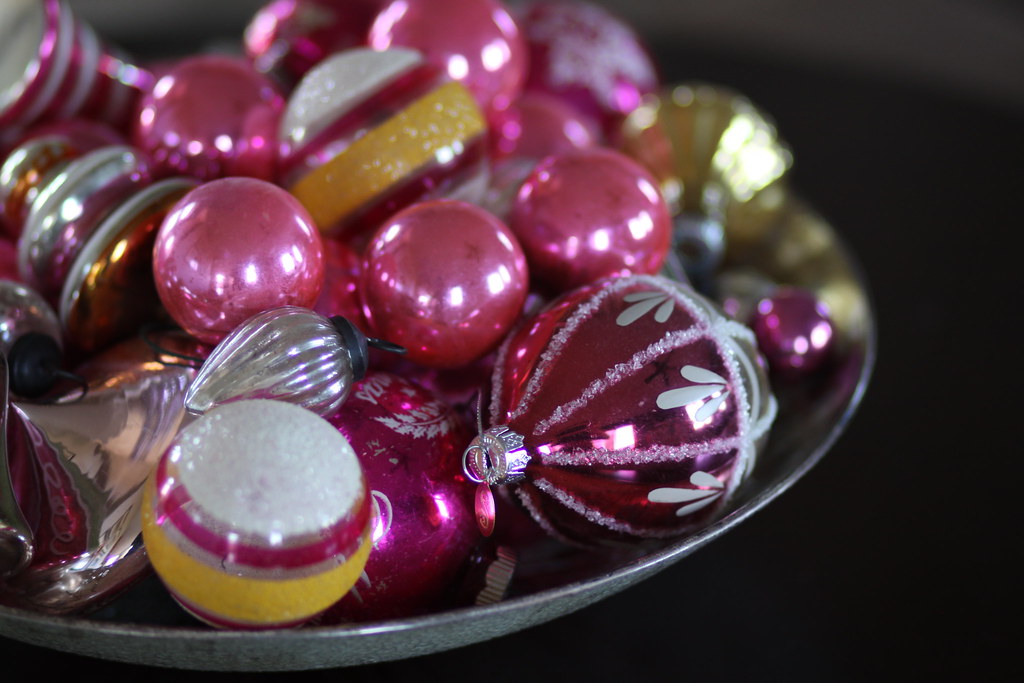
Those fragile glass balls wrapped in yellowing tissue might be more than just pretty. Collectors prize early mouth-blown ornaments from Germany and other parts of Europe, especially pieces with hand-painted details, mercury glass finishes, or unusual shapes like birds and hot air balloons. Guides to vintage Christmas items point out that older European ornaments can command strong prices when they still have their original caps and show distinctive prewar designs.
For anyone sorting through a parent’s holiday stash, the stakes are clear, because tossing or donating these without a second look could mean losing both family history and real money. Checking for country-of-origin stamps, delicate metal caps, and signs of hand painting can help separate mass-market modern balls from the older pieces that collectors actively track. Even a small box of authentic early ornaments can shift from sentimental keepsake to serious collectible inventory.
3. Aluminum Christmas Trees From The 1960s
Aluminum Christmas trees, the shimmering icons of the 1960s living room, are another attic sleeper hit. These metallic trees, often paired with rotating color wheels instead of string lights, once felt hopelessly dated. Now, their space-age look fits perfectly with midcentury modern interiors, which has pushed demand for complete, well-preserved sets. Collectors look for original boxes, intact branches, and working color wheels, since replacement parts can be hard to match.
Parents who packed these away when natural trees came back into style may not realize how the market has shifted. For younger buyers, an authentic aluminum tree is a statement piece that instantly sets a retro holiday tone. That change in taste turns what used to be a punchline into a potential windfall, especially for families willing to carefully clean, photograph, and resell rather than leave the tree buried in storage.
4. Vintage Advent Calendars And Cardboard Villages
Old Advent calendars and cardboard Christmas villages often survive in flat boxes, tucked between wrapping paper and gift bags. While many were inexpensive when new, collectors now chase early examples with detailed lithographed art, working doors or windows, and religious or European winter scenes. Calendars that were never opened, or that still have their original inserts, can be especially appealing, since they show off the full design without damage from daily use.
Cardboard villages, sometimes sold as punch-out kits, also attract interest when the tiny houses, churches, and shops remain unbent and brightly colored. For families, the implication is simple, because those flimsy-feeling pieces might be some of the rarest survivors of a particular printing run. Before anyone lets kids “play store” with them, it is worth checking online marketplaces to see how similar sets are priced and how condition affects value.
5. Early Electric String Lights And Bulbs
Old electric string lights, especially from the mid twentieth century, can be surprisingly collectible even if they no longer work. Sets with large C6 or C7 bulbs, bubble lights, or novelty shapes like Santas and snowmen often appeal to decorators who want an authentic period look. Original packaging, including branded cardboard sleeves and illustrated boxes, can be as valuable as the lights themselves, since it documents the era and manufacturer.
There is a safety angle here too, because families should not plug in untested vintage wiring, but that does not mean the lights belong in the trash. Collectors may rewire or display them unlit, treating them as historical objects rather than functional decor. For anyone cleaning out parents’ holiday bins, separating these older sets from modern LED strands can prevent accidental damage and open up a niche resale opportunity.
6. Midcentury Holiday Tableware And Barware
Holiday-specific tableware, from punch bowls to cocktail glasses printed with reindeer and wreaths, often hides in the back of kitchen cabinets. Midcentury designs, especially those with atomic-era graphics or gold detailing, have become popular with people who like to host themed parties. Sets that include matching trays, ice buckets, and stir sticks can be particularly desirable, since they create a complete visual story for a Christmas bar cart or buffet.
Parents who only pulled these out for office parties or neighborhood gatherings might have forgotten how distinctive some patterns are. As more younger buyers hunt for authentic vintage entertaining pieces, the value of intact sets rises. That shift turns a dusty box of “only for guests” glassware into a potential collectible category, encouraging families to inventory and research before donating everything to the nearest thrift store.
7. Retro Holiday Linens And Blankets
Holiday linens and blankets, from embroidered tablecloths to wool throws with snowflake patterns, often end up folded in the same bins as stockings and tree skirts. While many are purely sentimental, some older textiles with vivid prints or hand stitching can attract collectors who style vintage-inspired homes. Guides to smart blanket storage ideas emphasize keeping fabrics clean, dry, and neatly folded, which also happens to be exactly how collectors want to find them.
For families, that means the way parents stored these pieces can directly affect resale value. Linens that avoided plastic bins in damp basements, and instead lived in closets or cedar chests, are less likely to have mildew or permanent creases. As more people look for sustainable ways to decorate, buying older, well-made textiles instead of new mass-market prints becomes more attractive, which quietly boosts demand for those forgotten holiday blankets.
8. Vintage Nativity Sets
Nativity sets, especially those made from ceramic, chalkware, or carved wood, can be surprisingly collectible when they date back several decades. Sets with detailed figures, original straw or moss, and intact stables often appeal to both religious collectors and fans of folk art. Pieces that were imported from Italy, Germany, or Latin America can be particularly interesting, since they reflect regional styles and craftsmanship that are harder to find today.
Parents may have added or replaced figures over the years, so families should look closely for maker’s marks or mismatched materials. Even incomplete sets can have value if individual figures are rare or unusually expressive. As interest in handcrafted decor grows, these older Nativity scenes stand out from plastic modern versions, turning a long-standing family tradition into a potential collectible category worth documenting and carefully packing away.
9. Department Store Santa Mugs And Cookie Jars
Santa mugs and cookie jars that once came as department store promotions or limited seasonal lines now have a following of their own. Collectors look for distinctive facial expressions, unusual glazes, and clear branding on the bottom of the piece. Sets of matching mugs, especially those sold with cocoa mixes or children’s books, can be more valuable when they remain together, since they capture a specific retail moment in holiday history.
For families, the stakes show up when someone casually uses these for everyday hot chocolate or lets kids bang them around in play kitchens. Chips, crazing, and dishwasher damage can quickly erode value, even if the design is desirable. Taking time to separate older, heavier ceramic pieces from newer novelty mugs can help preserve both their condition and their potential resale price, while still letting the family enjoy less fragile versions.
10. Vintage Christmas Records And Sheet Music
Those stacks of Christmas records and piano books that only came out in December might be more than background noise. Original vinyl pressings of classic holiday albums, especially in stereo and with intact jackets, can attract collectors who want both the sound and the cover art. Sheet music with illustrated covers featuring Santa, winter scenes, or movie tie-ins also has a niche market, particularly when it highlights specific performers or films.
Parents who kept every caroling booklet from school or church may have inadvertently built a small archive of midcentury graphic design. For younger generations, these pieces offer a tangible link to how Christmas sounded and looked decades ago. As streaming makes physical media rarer in everyday life, the appeal of holding and displaying these older records and scores grows, nudging them from simple nostalgia into the realm of collectible ephemera.
11. Early Plastic And Celluloid Holiday Figures
Small plastic or celluloid Santas, snowmen, and reindeer often lurk at the bottom of decoration boxes, written off as cheap trinkets. Yet early examples, especially those made from thin celluloid or hard plastic with painted details, can be collectible when they survive without cracks or fading. These figures once topped cakes, filled store window displays, or sat on mantels, and their lightweight construction means many did not make it past a few seasons.
For families, recognizing these as early plastics rather than modern toys can change how they are handled and stored. Grouping them by material and era, then checking similar listings online, can reveal surprising values for certain poses or color combinations. As design fans pay more attention to the history of plastics, these tiny holiday characters move from afterthoughts to documented pieces of twentieth century material culture.
More from Vinyl and Velvet:

Leave a Reply