

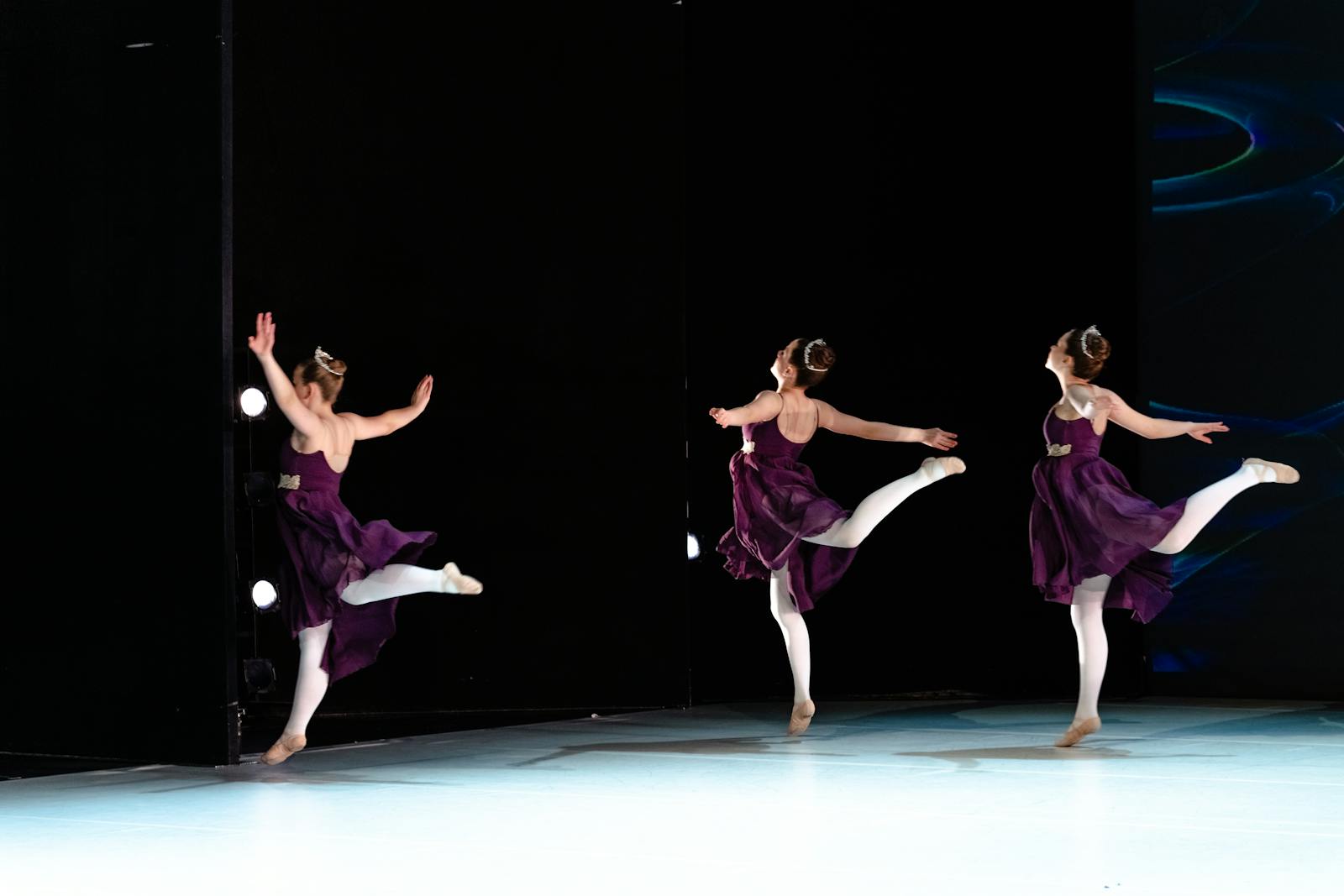
A stepmother on Reddit recently shared her decision to stop engaging with her mother-in-law, resulting in a last-minute invitation to her daughter’s dance recital that left her frustrated. The dance studio where her daughter performs has two recitals each year, and for years, she has managed the logistics to ensure family members could attend. This year, however, she opted to let her husband handle the invitations.

The woman, who wished to remain anonymous, explained that their daughter, referred to as DD1, has been dancing since she was four years old and has participated in multiple recitals. Typically, invitations to these events are sent out weeks in advance to allow family members to plan their attendance. In this case, the stepmother decided not to remind her husband to reach out to his parents, hoping he would take the initiative.
Her husband had mentioned a few times that he needed to invite them but failed to do so until just before the rehearsal. Frustratingly for the stepmother, this last-minute communication left the mother-in-law unable to attend both recitals. The grandmother can only manage to come to one performance due to work commitments. She spends weekends supporting her niece, which means her ability to participate was limited by the short notice.
The stepmother’s decision to disengage came after a series of hurtful interactions with her mother-in-law, particularly surrounding an incident involving an “apology card” that had left her feeling disrespected. This ongoing tension has led her to “drop the rope,” meaning she no longer feels responsible for maintaining the relationship or inviting her in-laws to family events.
When her mother-in-law expresses anger over not being informed earlier about the recital, the stepmother finds herself at a crossroads. She wants to respond honestly, indicating that she has distanced herself from the family dynamics that have caused her pain. But she is also aware that such a response might not be appropriate in a public setting, especially at a dance recital where the focus should be on her daughter’s performance.
The situation highlights a common challenge in family relationships: balancing the need for personal boundaries with the expectations of others. The stepmother’s choice to stop managing social calendars and invitations removed the burden she had carried for years. This shift also made it apparent how much her husband relies on her to handle family affairs.
One reader pointed out the irony of the grandmother being unable to attend due to her own commitments, suggesting that the stepmother’s decision to step back from planning might have inadvertently led to the grandmother’s disappointment. Another commenter noted that the issue underscores how important clear communication is within families, especially when members have differing expectations.
While the stepmother’s frustrations are understandable, the situation raises questions about the balance of responsibility within family dynamics. She has made it clear that she no longer wants to invest time and energy into a relationship that has caused her distress, yet the consequences of that choice are being felt in real-time as the recital approaches.
As the dance recital weekend looms, she contemplates how to address her mother-in-law if questioned about her absence from the planning process. Does she explain her stance and the reasons behind her decision to disengage? Or does she choose to keep the peace, focusing instead on celebrating her daughter’s achievements?
Ultimately, the stepmother finds herself weighing her options, torn between her desire to be true to her feelings and the reality of her family’s dynamics. This situation serves as an example of how personal choices can ripple through family interactions and alter expectations entirely.
More from Vinyl and Velvet:

Leave a Reply