


A work-from-home tenant recently faced a confrontation with his roommate over the condition of their shared living space. The issue stemmed from the roommate’s aging pet, a dog over 20 years old, which had been having frequent accidents in the house. The roommate returned home one day to find puddles on the floor and directed her frustration at her tenant, claiming he had “saved it for her.”
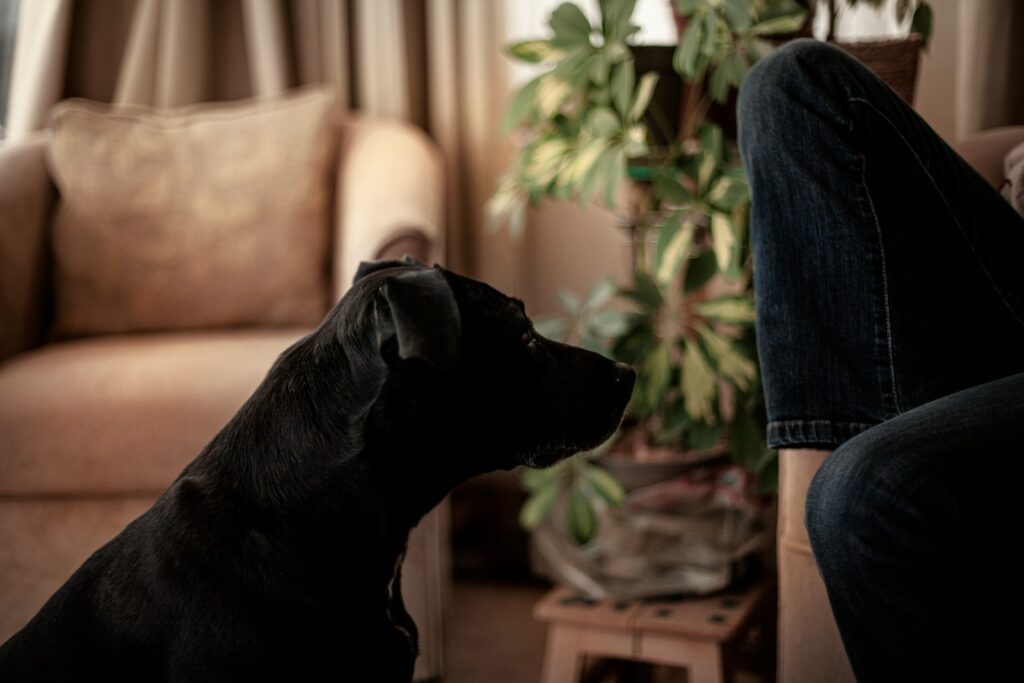
The tenant, who had been glued to his work throughout the day, expressed bewilderment at the accusation. He explained that he hadn’t even noticed the mess accumulating on the floor while he was deeply focused on his tasks. With the dog’s poor health, he tried to be understanding and regularly took it outside, but the responsibility for cleaning up after the pet fell squarely on the roommate’s shoulders.
According to the tenant, the living situation was never agreed upon in detail. When he moved in, he hadn’t signed up to be responsible for the care and cleanup of his roommate’s pets, particularly one in such a challenging state. The dog’s sickness, alongside a cat that often vomited, contributed to a challenging and unsanitary environment that he had not been prepared for.
The entire incident unfolded as the tenant was immersed in his work-from-home routine. He described his day as one spent largely in front of a computer screen, not walking through the common areas of their home. Because of this, he remained blissfully unaware of the state of the floor until he was confronted. The tension came to a head when his roommate returned, clearly upset and looking for someone to blame.
“I let this dog outside all the time,” he protested, trying to defend himself. He felt it was unfair to be held accountable for something that was clearly the responsibility of his roommate, who owned the pet. However, the roommate’s outburst left him questioning whether he should take more initiative to check for accidents, even if he was occupied with work.
The tenant’s reaction was to push back against the accusation. He firmly told her that it was her pet and not his responsibility to manage its needs. This confrontation highlighted the growing frustrations that often arise in shared living situations, particularly when it comes to the care of pets. The roommate’s expectation that he would take on responsibilities without prior discussion seemed to catch him off guard. It raised questions about the obligations that roommates have to each other and to their pets.
One reader on a discussion board responded to the situation, saying, “If she can’t handle the responsibility of her pets, maybe it’s time to reconsider having them in shared spaces.” This sentiment reflected a common viewpoint that pet ownership comes with a great deal of responsibility, particularly in a shared living environment.
Another commenter added, “It’s not fair to expect your roommate to clean up after your pets, especially if they’re not involved in their care.” This perspective resonated with many who believe that clear communication and boundaries are essential for harmony in shared living arrangements. The discussion around this particular roommate conflict brought to light a broader conversation about the expectations that come with living with others, especially when pets are involved.
As the tenant grapples with the fallout from this incident, he faces a choice about how to move forward. Should he continue to allow such expectations to go unchecked, potentially leading to more conflict, or should he draw firmer lines in their living agreement? The challenges of shared housing are common, but when pets are part of the equation, the stakes can feel even higher.
With no clear resolution in sight, the tenant is left pondering how to approach his roommate in the future. Should he take on a more proactive role in checking for messes, or should he stand firm on the boundaries he believes were set upon moving in? The outcome of this roommate dynamic remains uncertain, underscoring the difficulties many face in balancing personal space and responsibilities.
More from Vinyl and Velvet:

Leave a Reply