

A woman, eight months postpartum and managing a toddler in daycare, found herself in a struggle the moment her husband got home from work. Instead of spending time with her and their child, he disappeared into the yard and focused on his side business, leaving her feeling alone in her responsibilities.
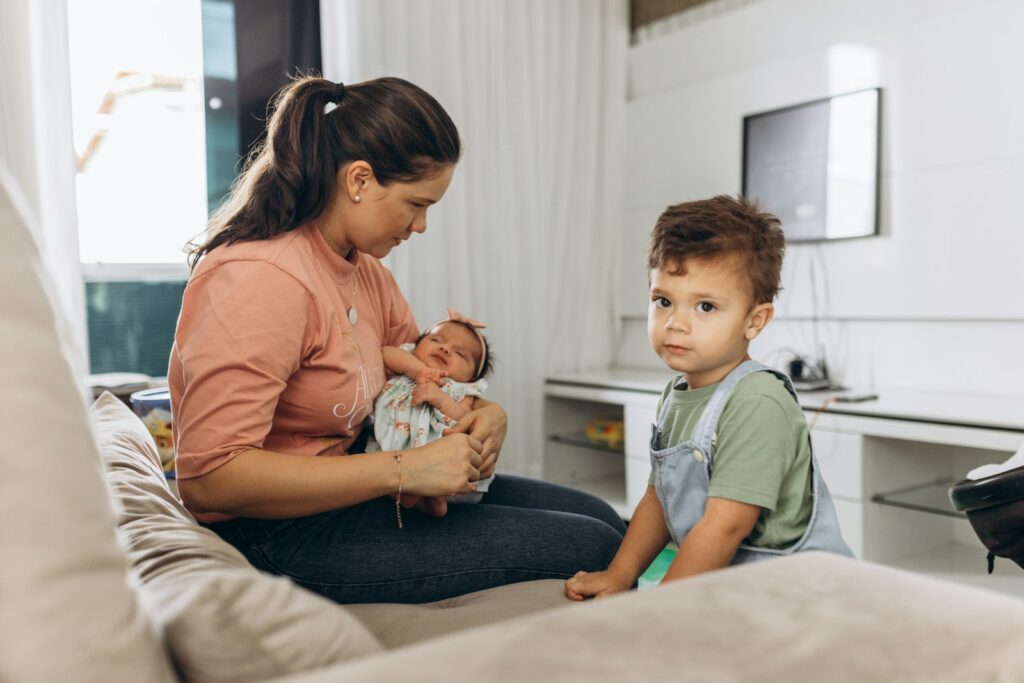
Her toddler had just begun to express herself verbally, with the innocent declaration of “All done Mama, Dada!” echoing from their nursery as she pulled the child from a nap. This innocent proclamation brought a wave of sadness and frustration for the mother, who felt caught in the relentless monotony of motherhood while her partner seemed preoccupied with his ventures. The disconnection felt profound; instead of a supportive partnership, she faced the challenges of parenting almost solo.
In her mind, she reflected on how the days were blending together. The burden of sleepless nights and the demands of a toddler made life overwhelming. As she watched her husband focus on work, she felt resentment bubbling under the surface. This was the same man who had promised a partnership in parenting, yet time and again, she was left carrying the weight alone. Instead of sharing in the joy of their child’s new milestones, he prioritized his side business over family time.
The divide between them only deepened when she thought about her own struggles with postpartum life. She had imagined their evenings filled with laughter, sharing stories of their day while supporting each other as parents. Instead, she found herself feeling more like a service provider than a partner, with her needs set aside each evening as he retreated into the yard.
The toddler’s innocent joy became a bittersweet reminder of her frustrations. She wanted to share those moments with her husband, but he was unreachable, engrossed in his own pursuits. Every day felt like a looping pattern of waking up, caring for the child, and then watching her husband distance himself further. The simple act of a child calling for both parents became another form of pressure; she wanted more than anything to be a united front but felt isolated in her desires.
Her internal dialogue wrestled with guilt and anger. Were her feelings justified, or was she overreacting? She had given birth only eight months prior, and new motherhood was hard enough without the added burden of feeling abandoned by her partner. The little family unit was becoming strained, and she feared repercussions for not voicing her concerns. Each time she tried to communicate her needs, she found herself shut down, which only exacerbated her feelings of isolation.
Perhaps she thought that reaching out to him about how she felt could ignite a change. To her, it was all about maintaining the bond that had brought them together in the first place. However, the fear of being dismissed or misunderstood loomed large. The more she considered talking to him, the more daunting the prospect became. What if he didn’t see her perspective? What if they argued, and the fabric of their relationship frayed further?
Frustration reached its peak when she saw how easy it was for him to prioritize his business. She wanted to shake him and remind him that they were a family, not just cohabitants raising a child. In her quiet moments, she longed for validation that her role was just as important as his. Taking care of a home and a baby was not something to be taken lightly, yet it felt like her husband brushed her contributions aside with little thought.
One reader reflected on the situation, suggesting, “It’s not just about childcare—it’s about partnership. If he can’t see that, you deserve to make him aware.” This perspective struck a chord with her. She realized others understood the nuances of parenting and partnership, which began to embolden her desire to express her feelings.
Another reader pointed out, “You shouldn’t have to settle for being the only one involved in your child’s life. Have you voiced how you feel?” A wave of encouragement washed over her. The act of sharing her inner turmoil was starting to feel less daunting as she realized her feelings were valid.
Yet, the decision remained heavy. Should she confront her husband, risking a confrontation, or should she continue to absorb the isolation? As she sat with her toddler, their laughter cut through the tension in the air, highlighting what was truly at stake. The joy of motherhood was too precious to overshadow with unresolved conflict. Still, she was left in a limbo of uncertainty, unsure how to bridge the gap between them.
More from Vinyl and Velvet:

Leave a Reply