

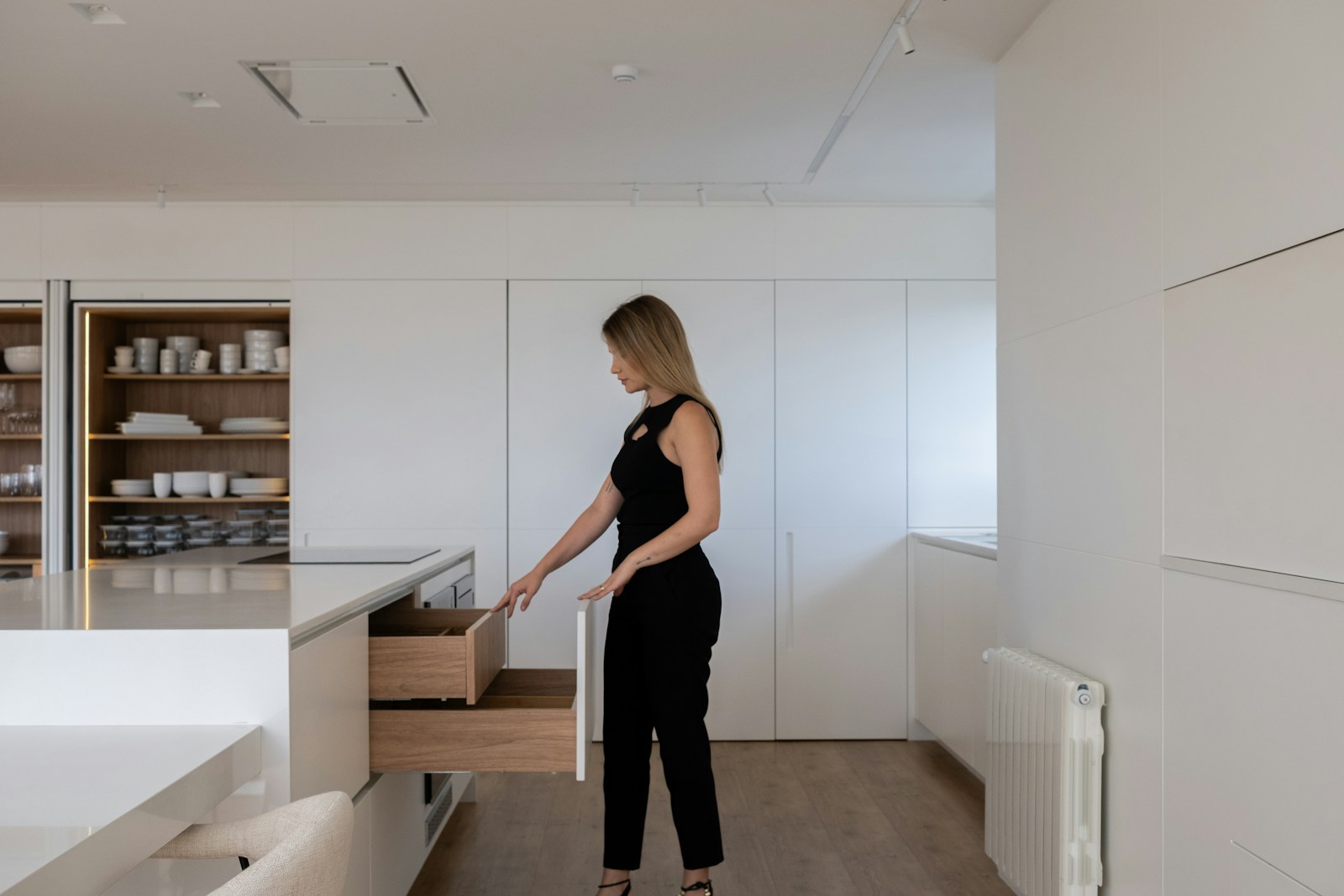
An adult daughter recently shared her experience attempting to help her mother, a self-identified hoarder, clean and declutter their home. While cleaning the kitchen, she encountered a surprising abundance of cutlery, a discovery that quickly highlighted the complexities of decluttering in a hoarding environment.
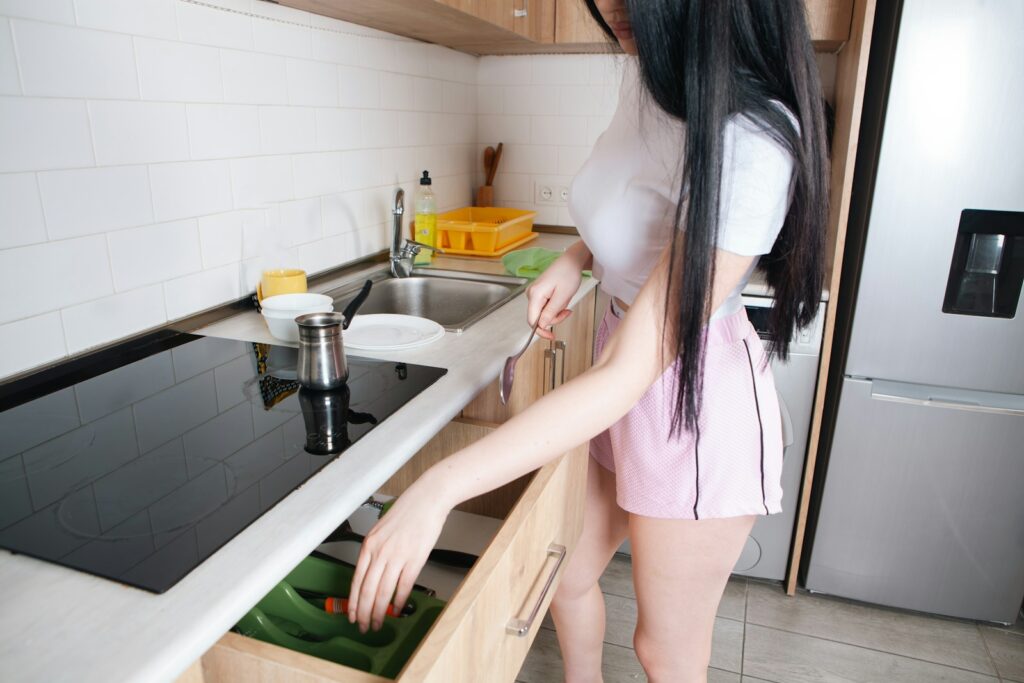
The daughter’s visit was intended to assist her mother in managing the mess that had developed over the last five years since her mother had moved into a new house. With the fridge full of expired food and the kitchen sink caked in mud, it was a monumental task. After sorting through the fridge and scrubbing down the sink, the daughter felt a sense of accomplishment until she opened two kitchen drawers containing cutlery.
<p“What she found was astonishing,” the daughter recounted. She counted more than 35 tablespoons, along with numerous forks and knives. In what should have been a standard single-person kitchen, this level of cutlery seemed excessive and unnecessary. The situation became even more perplexing when the mother insisted that all the utensils had to stay together in their respective sets.
The daughter tried to reason with her mother, suggesting that they could keep a manageable number of each utensil—perhaps ten of each type. She noted that her mother rarely hosted visitors, if ever, which made the abundance even more impractical. Despite this, her mother maintained that these were her things, and therefore she had the right to keep them as she saw fit. She refused to concede to the daughter’s logical suggestions.
In an attempt to make a compromise, the daughter proposed storing some of the excess utensils in their attic. However, this suggestion was met with resistance. The mother began sorting through the cutlery, insisting that all pieces must remain together. When the sets failed to match, she accused her daughter of throwing them out, which led to a heightened emotional atmosphere in the room.
Frustrated, the daughter stepped out to collect her thoughts. Dealing with a hoarder can be emotionally taxing, particularly when attachments to objects run deep. The mother’s insistence on keeping all the cutlery in sets reflects a common behavior among hoarders, who often see their belongings as integral parts of their identity, even when the items seem superfluous or excessive to others.
One person in a similar situation shared that it can be essential to approach decluttering with patience and understanding. They suggested focusing first on small areas where changes can make a noticeable difference, rather than confronting larger issues that might feel overwhelming. This advice emphasizes the need for a gradual approach to change when dealing with hoarding behaviors.
Another reader pointed out that it might help to validate the feelings of the hoarder before suggesting changes. Acknowledging the emotional weight that items hold can sometimes make them more amenable to discussions about decluttering.
The daughter’s situation also brings to light the challenge of balancing compassion for her mother’s feelings with the need to create a livable environment. As the daughter navigates the complexities of her mother’s hoarding, she faces an important decision about how to proceed. Should she persist in her efforts to declutter the home, or step back and allow her mother to maintain her possessions, however overwhelming they may seem?
For now, the daughter is left weighing her options. The task of decluttering is daunting, and the emotional responses it elicits further complicate the matter. With her mother’s insistence on keeping all the cutlery and the refusal to compromise, the daughter faces the difficult question of how to support her mother while also addressing the clutter that has taken over their lives.
More from Vinyl and Velvet:

Leave a Reply