

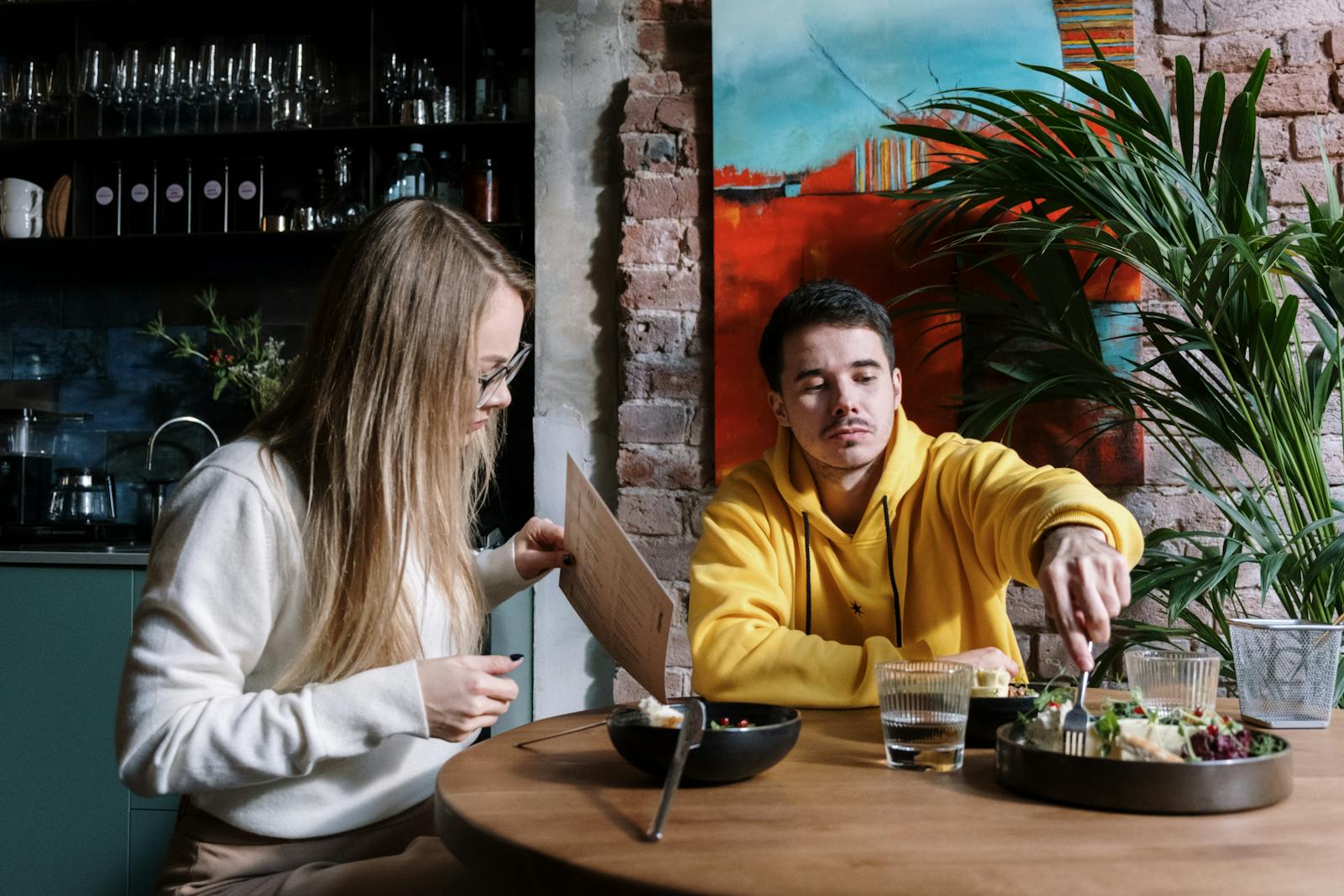
In the realm of relationships, food preferences are often a minor detail that can lead to significant complications. A recent Reddit post tells the story of a 36-year-old man who is grappling with the challenges of dating a woman with highly restricted eating habits. His account has sparked conversations about the impact of food choices on relationships and the complexities of dining out as a couple.

The man, who goes by the username /u/Tough_District9786, reveals in his post that his girlfriend cannot eat any vegetables, which alone is a monumental barrier to shared meals. This limitation extends to a point where her preferences dictate what can be ordered even at restaurants. She needs her hamburgers to be devoid of any toppings, with only a patty and cheese. Street tacos are out of the question; instead, she prefers the convenience of Taco Bell. For the couple, each meal has transformed into a negotiation over what is acceptable for her consumption and what he can enjoy without feeling guilty or overly restrictive.
The couple has come to an agreement allowing him to dine at a restaurant solo once a month, a meager concession that highlights how the dining experience has transformed into a chore rather than a pleasure. This monthly outing is framed as a necessary escape for him, a chance to indulge without overthinking the menu options or facing a potential meltdown from his girlfriend over food choices.
As he contemplates future travel plans, the man admits to growing concerned about how her eating habits will affect their experiences. Traveling often means discovering new cuisines, trying local delicacies, and exploring diverse culinary landscapes, but for him, the prospect of travel feels more like a burden. The anxiety of finding restaurants that cater to her limited palette looms large. His frustration is palpable as he describes the lengths he has gone to accommodate her needs — seeking out children’s menus in the hope that they might offer something suitable for her.
The essence of dining out, which is often steeped in joy and discovery, has become a source of discomfort. While many couples relish the experience of trying new restaurants or sharing a meal, this one has found himself bending over backward to keep the peace and avoid conflict. The emotional toll of constantly accommodating her food choices has led him to question whether it is sustainable in the long run.
His dilemma raises an important question: How do fundamentally different eating habits influence the dynamics of a relationship? For many couples, shared meals symbolize togetherness and connection. They are opportunities for bonding over flavors, textures, and culinary adventures. When one partner has dietary constraints that completely alter the landscape of dining, it can make one partner feel like they are sacrificing their own preferences and experiences.
This situation is indicative of a broader issue surrounding compatibility in relationships. While love and connection are paramount, shared interests — including how one relates to food — can significantly impact the quality of a partnership. Affected individuals often find themselves facing difficult decisions on whether to compromise their own joy for the sake of another. For this man, the prospect of travel and the excitement that comes with it is shadowed by the fear of a culinary confrontation.
As he grapples with his feelings, he openly questions whether he is in the wrong for wanting to distance himself from these challenges. This tension is common in relationships where one partner’s preferences significantly affect the other’s enjoyment of shared activities. In his case, the frustration has mounted to the point where he feels it’s necessary to reconsider their future together, especially regarding travel and shared dining experiences.
While many will undoubtedly sympathize with his plight, it’s essential to remember that relationships are built on compromise, communication, and understanding. The man’s post serves as a reminder that food, often seen as a universal connector, can also be a source of conflict when preferences clash dramatically. As he continues to navigate this situation, one can only hope for clarity and resolution, whether that comes through a mutual understanding or a reevaluation of their relationship.
More from Vinyl and Velvet:

Leave a Reply