

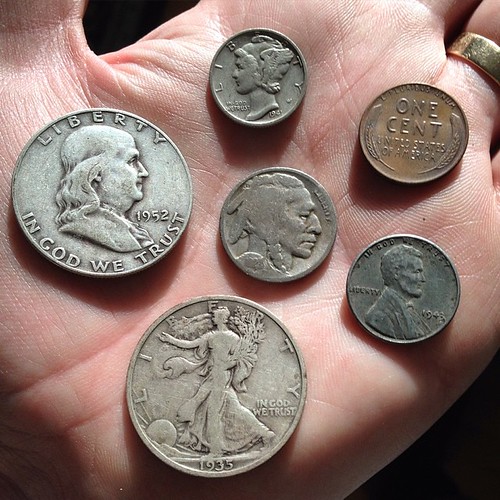
I’ll never forget the jingle of loose change in my mom’s oversized purse—a sound as comforting as the whir of our avocado-green kitchen fan in the summertime. Back then, coins felt a bit more special. We’d use them for everything: payphones, parking meters, even Saturday matinees. But here’s the twist—some of those nickels and quarters hiding in the sofa might be true treasures. Before you dump out that old coin jar or cash in your stash, let me share five sneaky rare coins that could be hiding right under your nose. You might be richer than you think!
1943 Steel Penny
Growing up, my dad would always make a point to separate the shiny pennies from the dull ones. Turns out, those odd-looking 1943 steel pennies—the ones that stick to a magnet—have a story. During World War II, copper was needed for ammunition, so the Mint used steel coated with zinc instead. Most folks tossed them aside because they’d rust or look “funny.” Today, a circulated one can fetch a few bucks, but if you come across a mint condition 1943 steel penny, it could be worth upwards of $75. Don’t just toss them; you never know if one of those silvery cents is left in your junk drawer.
1964 Kennedy Half Dollar (90% Silver)
If you’re like me, you remember the excitement of getting a half dollar as a kid—those coins felt so weighty and grown-up. The 1964 Kennedy Half Dollar was the last year these coins contained 90% silver. After that, the silver content dropped significantly, making the 1964 version a favorite among collectors. Most people spent them without a second thought, but today, they’re worth significantly more than face value. Depending on condition, you could be looking at $10 to $20 each, simply for the silver content. Worth digging through the old change jar your grandfather kept on the dresser, don’t you think?
1970-D Washington Quarter
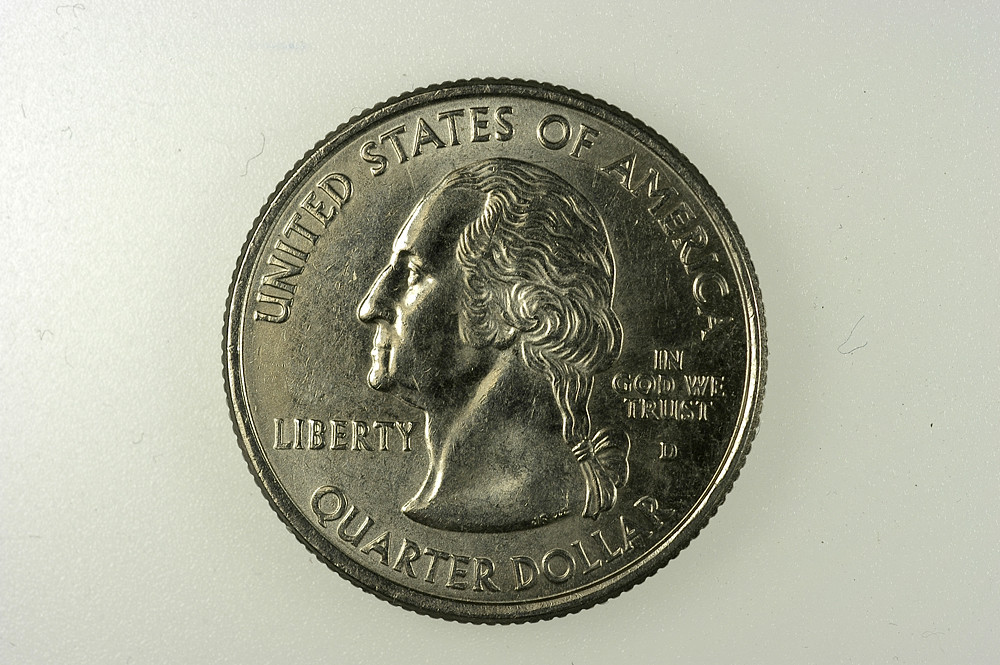
Barely anyone paid attention to quarters in the ‘70s; they just filled up laundry machines or arcade games. But the 1970-D Washington Quarter is a standout. Thanks to a small mintage and a few unique errors, some of these coins are prized by collectors. They look almost identical to your everyday quarter, so most people never look twice. If you spot one with a bold “D” mintmark, it could be worth $25 or more—even more if it’s in pristine shape. So next time you’re rolling up quarters for bridge night, give them a second glance!
1992 Close AM Lincoln Cent
I’ll admit, I never thought much of pennies besides tossing them into the “take a penny, leave a penny” tray. But some 1992 Lincoln cents have a subtle difference: the “AM” in “AMERICA” on the back is closer together than usual. It’s such a tiny detail, you’d probably overlook it without a magnifying glass. Still, this error made these coins highly collectible, and uncirculated examples have sold for hundreds—even over a thousand dollars. If you ever find yourself bored sorting through pocket change during a rainy afternoon, keep an eye out for this little oddity.
1955 Double Die Lincoln Cent
Remember sitting at the kitchen table, helping your kids roll pennies for school fundraisers? Imagine if one of those was the famous 1955 double die cent. Thanks to a misaligned die at the Mint, these pennies have numbers and letters that look slightly doubled—most noticeable on “LIBERTY” and the date. It’s not something you’d spot on a quick glance, but collectors love this quirky mistake. Even worn examples can bring in a couple hundred dollars, while crisp ones fetch over $1,000. Makes you wonder what’s hiding at the bottom of that old mason jar in the laundry room, doesn’t it?
Next time you’re tempted to dump out your spare change for a cup of coffee, slow down and take a closer look. These old coins aren’t just bits of metal—they’re souvenirs from decades gone by, and possibly your ticket to a happy surprise. You never know what treasures are waiting in your own home, quietly jingling beneath the couch cushions.
More from Vinyl and Velvet:

Leave a Reply