

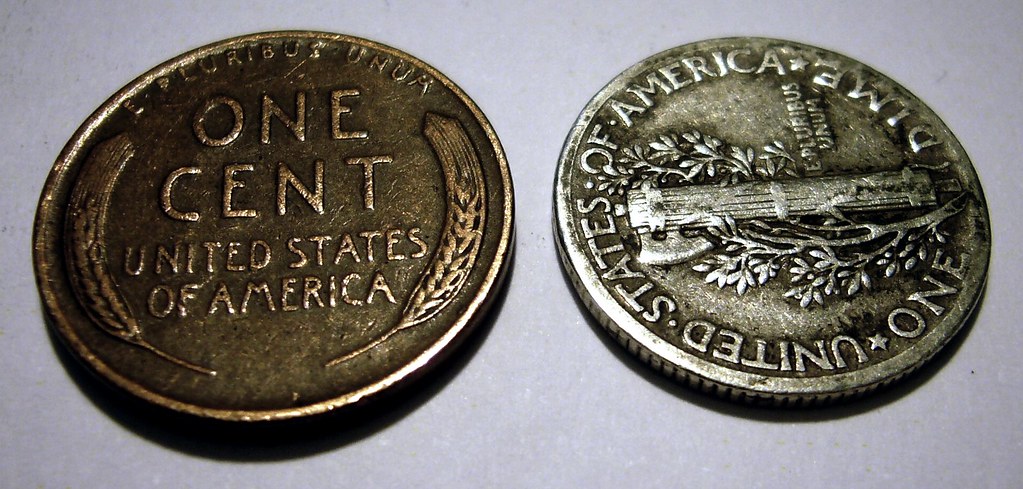
When I was a little girl, my grandfather would sit at the kitchen table, slowly sifting through his change jar. He’d tell stories about how coins could be more than just pocket money—they might hold a hidden history or even a small windfall. Fast-forward a few decades, and I still catch myself peeking into old dresser drawers or the coin jar by the phone. If you’re anything like me, you probably have a stash of loose change somewhere. Before you toss any of it, here are five old coins you should always check before letting them go.
Wheat Pennies (1909–1958)
I remember these coppery pennies showing up in my allowance when I was a kid in the ‘60s. The wheat stalks on the back always made them feel special—like they were from another era, which, of course, they were. Folks held onto them for luck or tucked them away in piggy banks, not realizing some can be worth anywhere from ten cents to several dollars. The rarer ones, like a 1943 copper penny, can fetch hundreds or more. If you find one, check the date and mint mark before tossing it in the change jar.
Buffalo Nickels (1913–1938)
There’s something so satisfying about the weight of a Buffalo nickel. My parents kept a little stack in a jelly jar on the bookshelf, just because they “looked neat.” Now, collectors love them for their rugged design and wild west charm. Common dates might only bring in a dollar or two, but well-preserved, rare years can be worth $25 or more. I’ve seen folks nearly faint at flea markets when they realize they had a valuable one all along. Don’t let these slip through your fingers without a second look.
Silver Dimes (pre-1965)
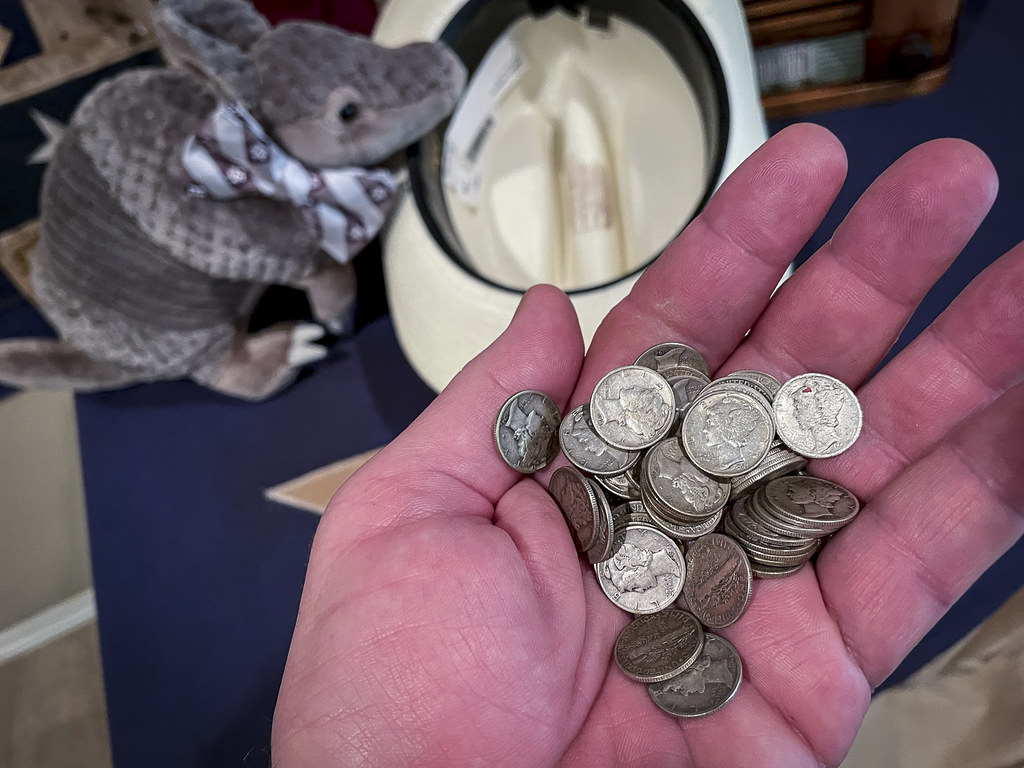
When I started rolling coins with my kids in the 1990s, we’d sometimes spot an older dime that looked a bit shinier than the rest. If it’s dated 1964 or earlier, it’s 90% silver. Back when I was growing up, silver coins felt ordinary; now, each one is a tiny treasure. Their value depends on silver prices, but you can easily get $1.50–$3 per coin (sometimes more if it’s a rare date). Don’t let these get swept away in a pile of modern change—set them aside for a rainy day or pass them down.
Bicentennial Quarters (1976)
The year our country turned 200, everyone wanted something to remember it by. The special quarters with the drummer boy on the back were saved in kitchen drawers, jars, even taped to birthday cards. Most circulated ones aren’t worth more than face value, but uncirculated or proof versions can be worth $3–$15. Even if you’re not cashing in, they’re a slice of Americana—worth keeping for grandkids or for a little burst of ‘70s nostalgia every time you see one.
Indian Head Pennies (1859–1909)
There’s magic in finding an Indian Head penny; it’s like holding a piece of the past right in your palm. My mother found one in her garden once, and it became a family keepsake. These pennies were often saved in cigar boxes or button tins, outlasting generations of pocket change. While common dates (and worn coins) might bring in $2–$5, rarer years can fetch much more. Even if yours isn’t a jackpot, it’s certainly not something you want to toss without checking—these humble pennies are true American relics.
Before you dump out that old coffee can of coins or clean out your parents’ junk drawer, take a minute to look closer. You never know which forgotten bits of change could bring a little extra joy—or even a surprise windfall. Sometimes the smallest treasures are the ones we overlook, and those old coins might just be worth holding onto after all.
More from Vinyl and Velvet:

Leave a Reply