

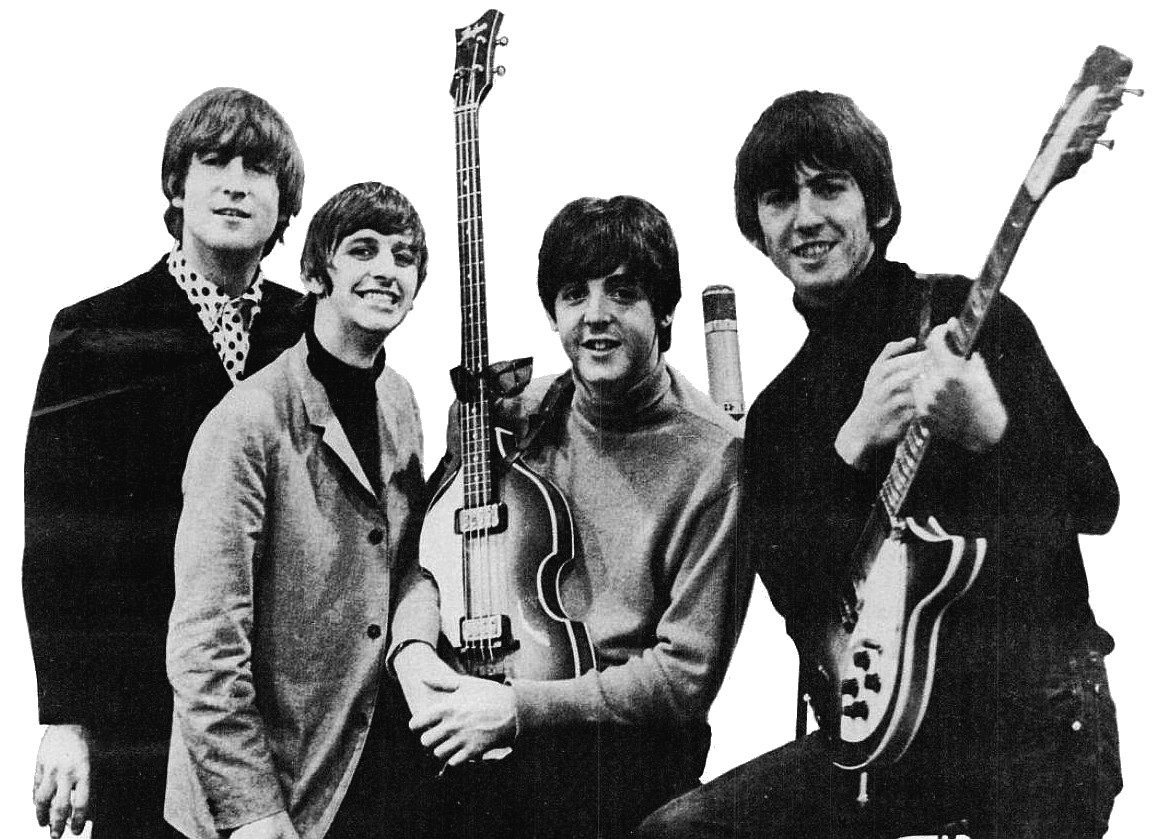
Looking back at the 1970s rock scene, some fans are starting to question how certain behaviors were ever considered normal—especially when it came to relationships between adult musicians and underage fans.
A recent discussion on Reddit has people revisiting stories from that era, with many expressing discomfort over things that were once openly talked about in interviews, biographies, and documentaries. For a lot of readers, the reaction is simple: how was this ever acceptable?
A Different Era With Different Standards
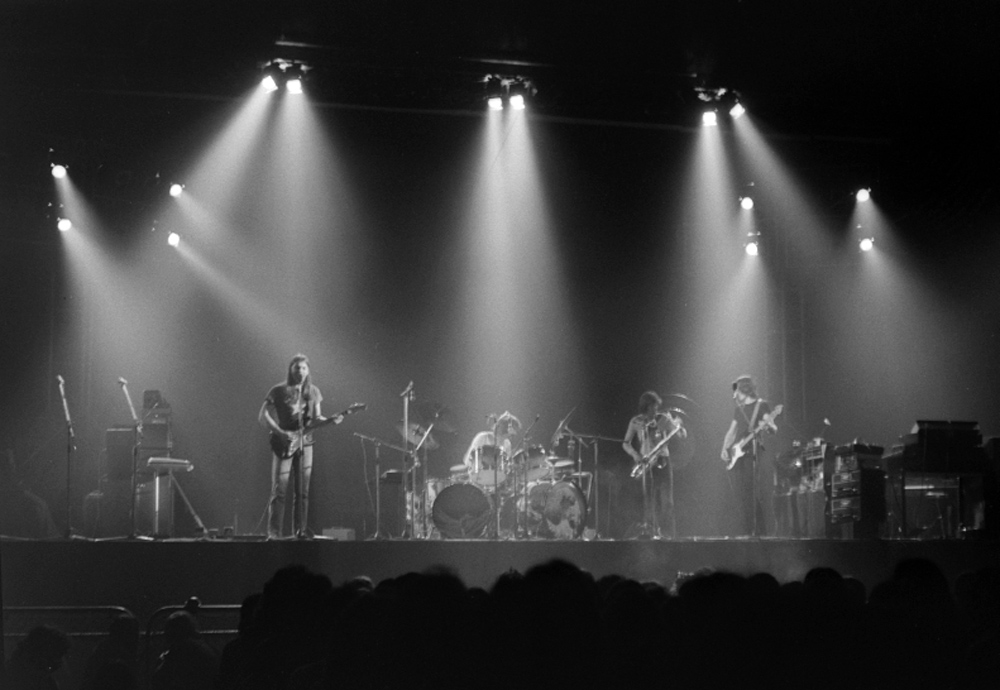
During the height of the 1970s rock explosion, bands were treated like larger-than-life figures. Fame, money, and access created an environment where boundaries were often blurred—or ignored entirely. Stories involving groupies and backstage culture were widely circulated, sometimes even glamorized as part of the “rock and roll lifestyle.” At the time, these narratives were often framed as normal or even expected.
The Role of Fame and Power
One of the biggest points raised in the discussion is the power imbalance. Famous musicians had influence, status, and devoted fanbases—many of whom were very young. That dynamic created situations where lines that would be clearly unacceptable today were rarely challenged back then. Fans now looking back say it’s less about shock and more about understanding how unchecked fame played a role in shaping that culture.
Why It’s Being Reexamined Now
Cultural standards have shifted significantly since the 1970s. What was once brushed off as part of the scene is now being reevaluated through a modern lens, where issues of consent, age, and power are taken far more seriously. This shift is leading to more conversations about accountability—not just for individuals, but for the industry and culture that allowed those behaviors to go unchallenged.
The Complicated Legacy of Rock History
For many fans, this creates a complicated relationship with the music itself. Classic rock remains hugely influential, and the artists behind it are still widely celebrated. But at the same time, these stories add a layer of discomfort that’s hard to ignore. It raises questions about how to separate the art from the context in which it was created—or whether that separation is even possible.
What People Are Saying
The Reddit thread reflects a mix of reactions. Some users expressed shock at learning details they hadn’t been aware of before, while others said these stories had been known for years but weren’t widely questioned. A few pointed out that the issue wasn’t limited to one artist or band—it was part of a broader culture that extended across the industry. Others emphasized that acknowledging these issues doesn’t mean ignoring the music, but rather understanding the full picture of that era.
In the end, the conversation isn’t just about the past. It’s about how perspectives change over time—and how history gets reexamined as cultural standards evolve.
More from Vinyl and Velvet:

Leave a Reply