

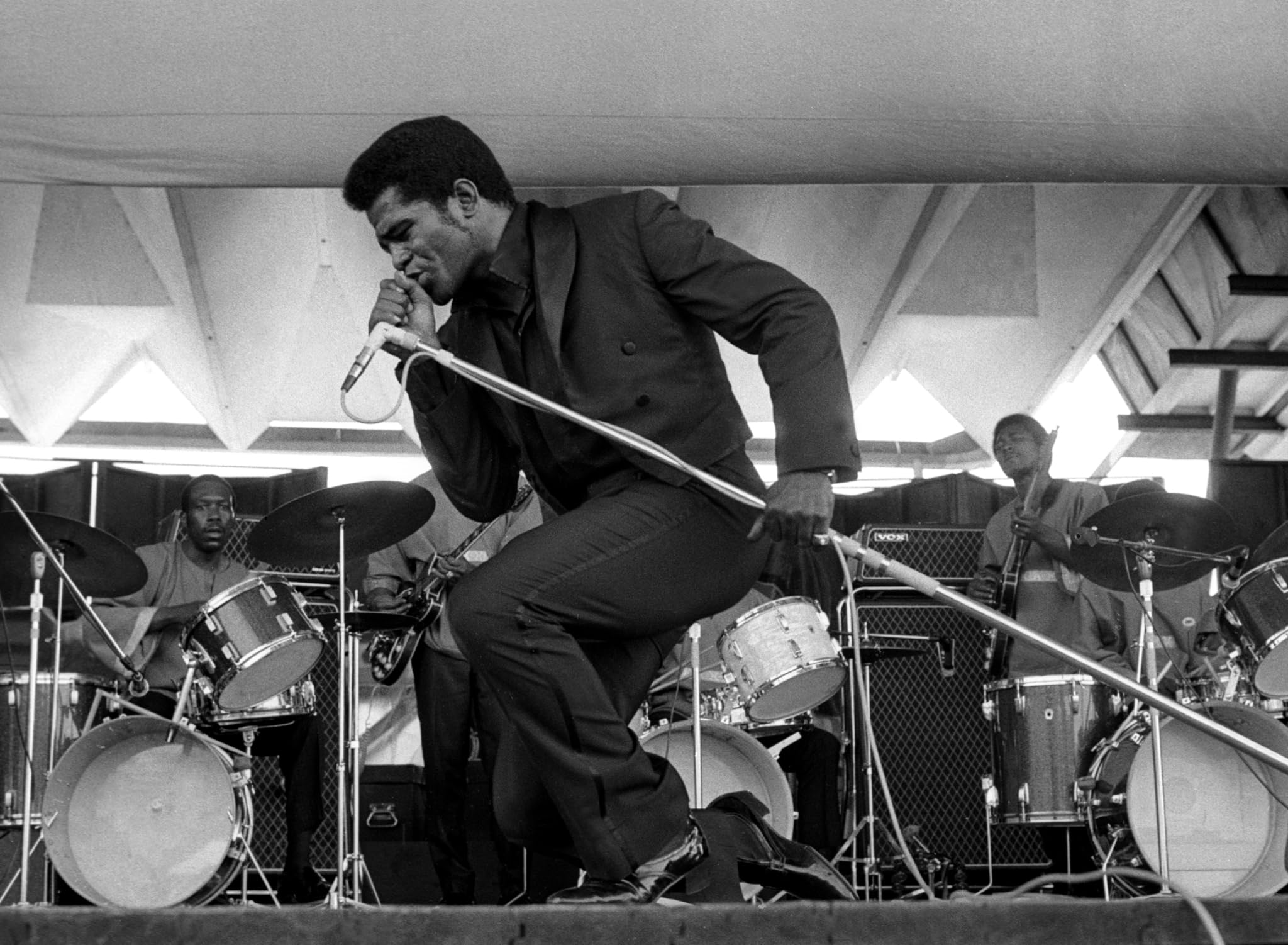
If you’ve listened to hip-hop, chances are you’ve already heard James Brown—even if you didn’t realize it at the time. His music has been sampled countless times, and fans are now digging into why certain artists like him show up over and over again in new tracks.
A recent discussion on Reddit explores exactly that question, with producers and music fans breaking down what actually makes a song “sample-worthy.” And it turns out, it’s not just about popularity.
It Starts With the Sound
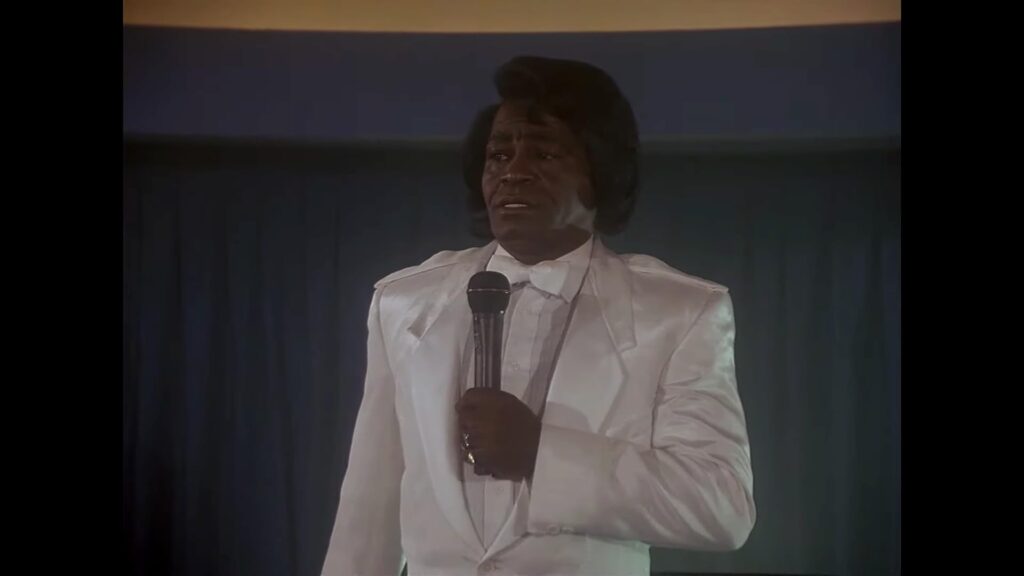
One of the biggest reasons certain artists get sampled more often comes down to the raw elements in their music. James Brown’s catalog, for example, is packed with clean drum breaks, tight grooves, and isolated rhythms—perfect for chopping and looping. These kinds of sections are gold for producers looking to build a beat from scratch. The same idea applies to other heavily sampled acts like Parliament-Funkadelic, whose layered funk sound gives producers plenty to work with.
The Role of Musical Lineage
Another factor is influence. Artists who sit close to the roots of hip-hop tend to get sampled more simply because their sound helped shape the genre in the first place. Early hip-hop DJs and producers often pulled directly from funk, soul, and jazz records. Over time, those sounds became part of the genre’s DNA. So when modern producers sample those same artists, they’re not just borrowing sounds—they’re tapping into the foundation of hip-hop itself.
Accessibility and “Crate Digging”
Back in the early days, sampling was also about what you could physically find. Producers would spend hours digging through crates of vinyl, searching for obscure records with unique sounds. Sometimes the goal was to find something no one else had used yet. This created a mix of widely sampled artists and hidden gems—tracks that became influential not because of fame, but because of a single perfect moment in the music.
Technology Changed the Game
As technology improved, sampling became more flexible. Modern tools allow producers to isolate vocals, drums, or instruments from almost any track, opening up new possibilities. What once required finding a clean break can now be created digitally. Still, even with all that advancement, the same classic artists continue to dominate sampling culture.
What People Are Saying
In the discussion, many users pointed out that emotion plays a huge role. A sample doesn’t just need to sound good—it needs to feel right. Others highlighted legal and financial factors. Getting permission to use a sample can be expensive or complicated, which affects what ends up in official releases. And then there’s the challenge factor. Some producers take pride in flipping unexpected or obscure sounds into something new, while others lean into iconic samples because they instantly connect with listeners.
In the end, there’s no single reason why some artists get sampled more than others. It’s a mix of sound, history, access, and creativity—all coming together in the search for that perfect loop.
More from Vinyl and Velvet:

Leave a Reply