


Music conversations get interesting fast when people start noticing patterns they can’t quite explain. That’s exactly what happened when one listener pointed out a racial split in the groups they associated with pop culture—more Black girl groups coming to mind, but more white boy bands.
In a post on Reddit, the question turned into a bigger discussion about music history, genre labeling, and how the industry has long decided which groups get pushed into the mainstream and which ones get categorized differently.
The Question Wasn’t as Simple as It First Sounded
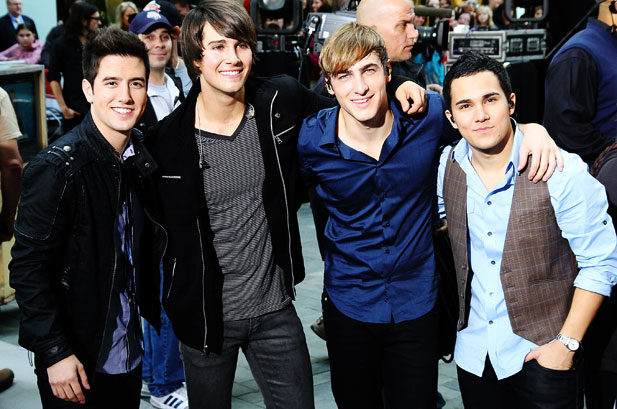
The original post started with a pretty specific observation. When thinking of girl groups, names like Destiny’s Child, TLC, The Supremes, and The Ronettes came up easily. But when it came to boy bands, the list leaned much whiter, with names like The Beatles, NSYNC, One Direction, and Backstreet Boys. That contrast led to the obvious question: was this a real trend, or just a personal music blind spot? As the replies came in, the answer turned out to be a little bit of both.
Genre Labels Seem to Matter a Lot
One of the biggest points in the discussion was that similar groups often get labeled differently depending on race and genre. A lot of commenters argued that many Black male vocal groups were never really framed as “boy bands,” even when they had a lot in common with the white pop groups people usually associate with that term.
Instead, groups like Boyz II Men, New Edition, Jodeci, Dru Hill, The Temptations, and The Four Tops were more often grouped under R&B or soul. Meanwhile, white male acts were more likely to be packaged and remembered specifically as boy bands. That difference in labeling may be doing a lot of the work here.
Mainstream Exposure Wasn’t Evenly Distributed
Another theme that kept coming up was visibility. People pointed out that white boy bands often got a massive pop-media push, especially in the late 90s and early 2000s, while Black male groups were more likely to stay associated with genre-specific audiences even when they were hugely successful.
On the girl-group side, Black women had a long and undeniable presence in soul, R&B, and pop crossover success, which may explain why those names feel more central in public memory. So the pattern may not be about absence at all—it may be about who was marketed how, and to whom.
What People Are Saying
The comments mostly pushed back on the idea that Black boy groups were rare. Instead, people listed act after act that the original post had overlooked, from New Edition and Boyz II Men to Silk, After 7, and Tony! Toni! Toné!.
Others said the bigger issue was vocabulary. “Boy band” carries a very specific pop-culture image, and many Black male groups simply weren’t placed into that category, even when they served a similar role. A few commenters also argued that race and marketability likely shaped those labels in the first place.
By the end, even the original poster said the thread helped them realize how much their own listening habits and environment influenced the question.
And that’s really what made the conversation interesting. It wasn’t just about naming groups—it was about how music history gets sorted, remembered, and filtered through genre, race, and exposure.
More from Vinyl and Velvet:

Leave a Reply