

There’s a distinct charm in owning an antique piece of furniture. The craftsmanship, the history, the stories it could tell if only it could talk. But in the bustling world of second-hand markets, it can be tricky to separate true antiques from skillfully made replicas. How do you tell the difference?
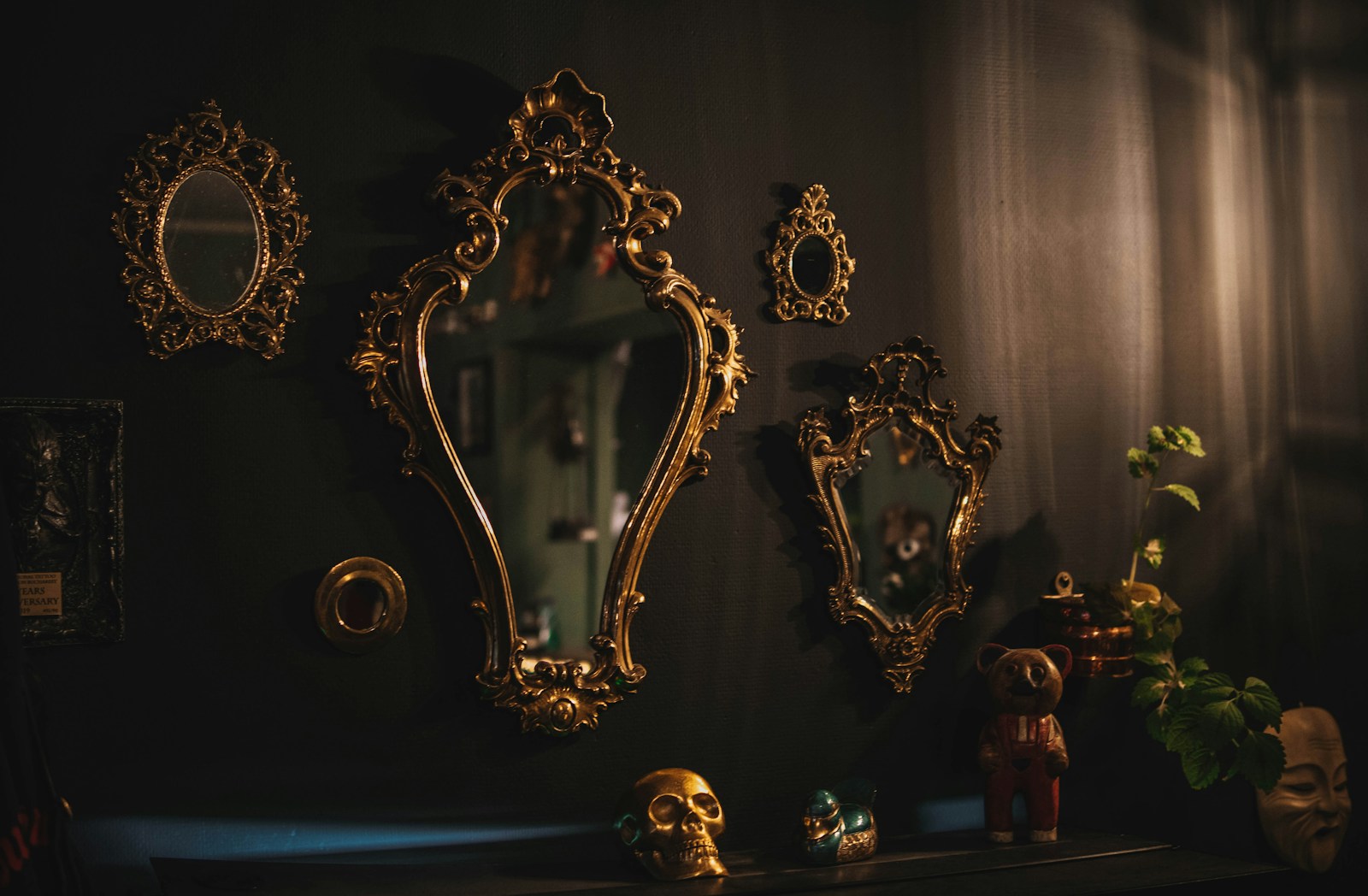
Having spent years exploring estate sales, flea markets, and dusty antique stores, I’ve gathered five tell-tale signs to help you identify a genuine antique piece. Dive in and learn how to spot these hidden treasures with a discerning eye.
Craftsmanship
The first sign of an antique piece lies in the craftsmanship. Antique furniture was meticulously handcrafted, unlike the machine-made furniture we’re accustomed to today. Intricate carvings, uneven measurements, and tool marks can all be signs of a piece made by human hands.
Look out for dovetail joints, a standard in antique furniture construction. The dovetails in older pieces are often larger and less symmetrical than the machine-cut ones seen in modern furniture. Also, pay attention to the finishing; antique pieces usually have a shellac or oil finish, rather than the polyurethane seen on contemporary items.
Wood Type
Antique furniture often uses types of wood that are less commonly seen in modern pieces. Mahogany, oak, walnut, and rosewood were popular choices in the 18th and 19th centuries. These woods are dense, heavy, and often feature unique grain patterns that can be a telltale sign of the furniture’s age.
Take a look underneath or at the back of the piece. Antique furniture typically shows signs of age, like darkening due to oxidation. However, beware of pieces with different types of wood within the same piece, as this could indicate repairs or alterations.
Hardware
The hardware on a piece of furniture can provide significant clues about its age. Antique pieces often have hand-forged nails and screws, and the drawers might feature hand-cut dovetail joints. Look for irregularities in the hardware, which can indicate it was made by hand.
Examine the screws and nails closely. Antique screws were hammered into shape and feature uneven threads, while antique nails have a square, rather than round, shank. If the hardware appears too shiny or new, it might have been replaced, which could affect the value of the piece.
Patina
Patina, the sheen that develops on the surface of wood over time, is a significant indicator of age. This warm glow is one of the most charming aspects of antique furniture. It develops slowly, over many years, as a result of polishing, dusting, and exposure to light and air.
Check for a deep, rich patina that’s consistent over the entire piece. If the piece has been refinished, it can dramatically reduce the patina, and subsequently, the value of the piece. However, a well-maintained patina can significantly increase the beauty and value of an antique.
Provenance
Last but not least, provenance — the history of the item, who owned it, and where it’s been — can help verify a piece as a genuine antique. Ideally, the piece will come with documentation, like receipts, auction records, or even photos of the piece in situ from decades past.
While provenance can be hard to come by, any information you can gather about the piece’s past can be invaluable. If provenance isn’t available, reputable dealers will often provide a certificate of authenticity or a written statement about the piece’s age and origin.
Now that you’re armed with these insights, you’re ready to hit the antique shops and flea markets with a discerning eye. Remember, the joy of antiquing isn’t just in the find, but in the hunt itself. Happy treasure hunting!

Leave a Reply