


A woman facing an impossible financial decision has brought attention to the struggles many expecting parents experience when juggling student debt and basic necessities. With a tax refund in hand and a baby on the way, she must choose between paying down her student loans or buying a reliable vehicle to transport her newborn. The choice highlights a common predicament where financial responsibility clashes with immediate practical needs.
Her situation reflects broader tensions around student loan debt and tax refunds that affect millions of borrowers nationwide. Many people find themselves in similar positions, weighing whether to use unexpected money for debt reduction or essential purchases. The decision becomes even more complicated when a major life event like childbirth enters the picture.
The woman’s dilemma raises questions about prioritizing long-term financial health versus short-term survival needs. While reducing debt offers future benefits, having transportation for a newborn presents an urgent concern that can’t be ignored. Her story demonstrates how paying off student loans often competes with other critical life expenses that demand immediate attention.
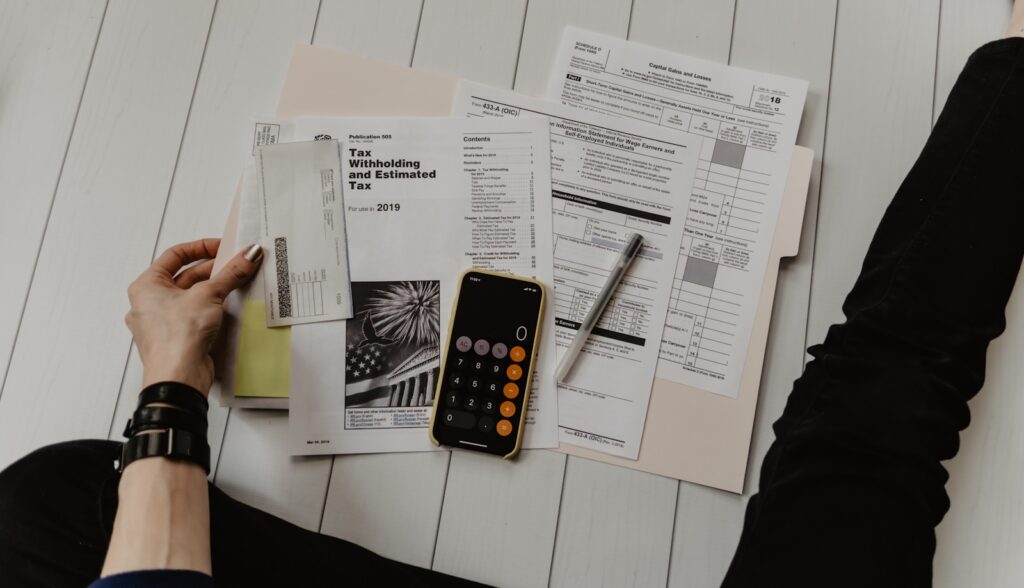
Tax Refund vs. Student Loans: The Dilemma Facing Expecting Parents
Expecting parents facing student loan debt often find themselves weighing whether to use their tax refund to chip away at their balances or cover urgent expenses like transportation. This tension becomes particularly acute when a baby’s arrival creates a hard deadline for solving practical problems.
How Tax Refunds Can Impact Student Loan Repayment Decisions
For borrowers carrying student loan debt, a tax refund represents one of the largest single payments many receive all year. The decision of where to direct those funds becomes more complicated when student loans compete with immediate necessities.
Congressional lawmakers have raised concerns about the administration seizing tax refunds to pay defaulted student loan debt without proper notice. This practice, called Treasury offset, can catch borrowers off guard when they’re counting on those funds for other purposes.
Parents-to-be often calculate whether paying down their student loan balance now will reduce their monthly obligations later. The math gets trickier when student loan interest rates hover around 4% to 6%, making the loans less expensive than credit card debt but still substantial enough to affect monthly budgets.
The Real-Life Stakes: Needing a Car Before Baby’s Arrival
Transportation isn’t optional when a baby is coming. Doctor appointments, hospital trips, and eventually daycare runs require reliable wheels, putting expecting parents in a bind when they lack a vehicle.
A “beater car” might cost anywhere from $3,000 to $5,000, often matching the size of a typical tax refund. For someone living with family and managing student loan payments, that refund becomes the only realistic path to getting behind a wheel before the due date.
The timeline adds pressure. Unlike student loans that can be managed through income-driven repayment plans, a missing vehicle creates immediate logistical problems that intensify once the baby arrives. Parents without transportation face challenges getting to medical care, buying supplies, and maintaining employment.
Balancing Immediate Needs and Long-Term Financial Health
Borrowers with student loan debt face competing financial pressures that don’t pause for major life events. A tax refund might represent months of potential student loan interest savings, but it also represents the only available funds for critical purchases.
The equation changes when federal student loans enter default status. The Department of Education can request that Treasury withhold tax refunds to apply toward defaulted federal student loans, removing the choice entirely from borrowers who’ve fallen behind on payments.
For expecting parents, the pressure intensifies because pregnancy creates a fixed timeline. Student loan interest will accrue whether they pay extra this month or next year, but the baby won’t wait for better financial circumstances.
How Student Loans Affect Your Tax Refund and Car Purchase Plans
Federal student loan borrowers in default can lose their tax refunds to the Department of Education through a process called tax refund offset, while private loan borrowers face different consequences. The Treasury Offset Program can seize both federal and state refunds when borrowers haven’t made payments for 270 days, though options like income-driven repayment and loan rehabilitation can help protect refunds.
When Does the Department of Education Take Your Tax Refund?
The Department of Education can garnish tax refunds when federal student loan borrowers enter default status. Default occurs after 270 days of missed payments on federal student loans.
Collections on student loan debt resumed in 2026 after pandemic-related pauses ended. The Department of Education paused collections as of January 16, 2026, but borrowers who defaulted before this date could still face garnishment.
Around seven million borrowers have defaulted on their student loans according to Department of Education data. These borrowers risk having both their federal and state tax refunds seized to offset delinquent payments.
The garnishment isn’t limited to one year. Once a tax offset is initiated, future refunds can also be seized until the default is resolved.
Tax Refund Garnishment: Who’s at Risk and How It Works
Tax refund offset happens when the government intercepts a borrower’s refund to pay defaulted federal student loans. The Treasury Offset Program’s Bureau of the Fiscal Service handles this process, not the IRS directly.
Borrowers should receive a notice 65 days before their refund is seized. However, this notice may not arrive if contact information is outdated or incorrect.
Borrowers can contest a garnishment for:
- Fraud and identity theft
- Bankruptcy
- Disability discharge
- The debt has already been paid
Payment records or court documents are typically required to contest an offset. Borrowers may also qualify for a student loan offset hardship refund in cases of acute economic hardship, such as needing funds to avoid eviction or utility disconnection.
Other debts can also trigger tax offsets. Missing child support payments, failing to pay taxes, or defaulting on Small Business Administration loans can all result in refund garnishment.
Federal vs. Private Student Loans: What Borrowers Should Know
Tax garnishments only apply to federal student loans. Private student loan lenders cannot directly seize tax refunds through the Treasury Offset Program.
Borrowers with private student loans in default face different consequences. The debt gets sent to collections and credit scores typically take a significant hit.
Private lenders can sue borrowers for unpaid debt. If they win a judgment, they could attempt to collect the tax refund through that legal process, though this is a separate mechanism from federal tax offset.
Federal student loan borrowers who are current on payments don’t face refund garnishment. Being current means making payments within the required timeframe and staying out of the 270-day default window.
Borrowers making regular payments on either federal or private loans can claim up to $2,500 in student loan interest deduction on their tax return. This deduction is reported on Form 1098-E, which servicers send annually.
Protecting Your Refund: Income-Driven Repayment, Hardship, and Rehabilitation Options
Borrowers have several options to avoid default and protect their tax refunds. Income-driven repayment plans adjust monthly payments based on income and family size, making payments more affordable.
Available repayment options include:
- PAYE (Pay As You Earn)
- Other income-driven plans based on adjusted gross income
- Deferment to temporarily pause payments
- Forbearance for short-term payment relief
Student loan rehabilitation allows defaulted borrowers to return to good standing. The program requires nine on-time payments during a 10-month period. Making at least five of those payments can prevent tax refund garnishment.
Borrowers who successfully complete rehabilitation can have the default removed from their credit report. This helps restore credit scores and prevents future refund seizures.
Borrowers who missed the Fresh Start deadline can still enter rehabilitation. Loan consolidation offers another path by combining multiple loans into one payment with potentially better terms.
Economic hardship provisions allow some borrowers to recover garnished refunds. Borrowers must demonstrate specific hardship expenses like rent to avoid eviction or utility disconnection. If approved, they receive enough to cover documented hardships while the remainder goes toward the loan debt.
More from Vinyl and Velvet:

Leave a Reply