

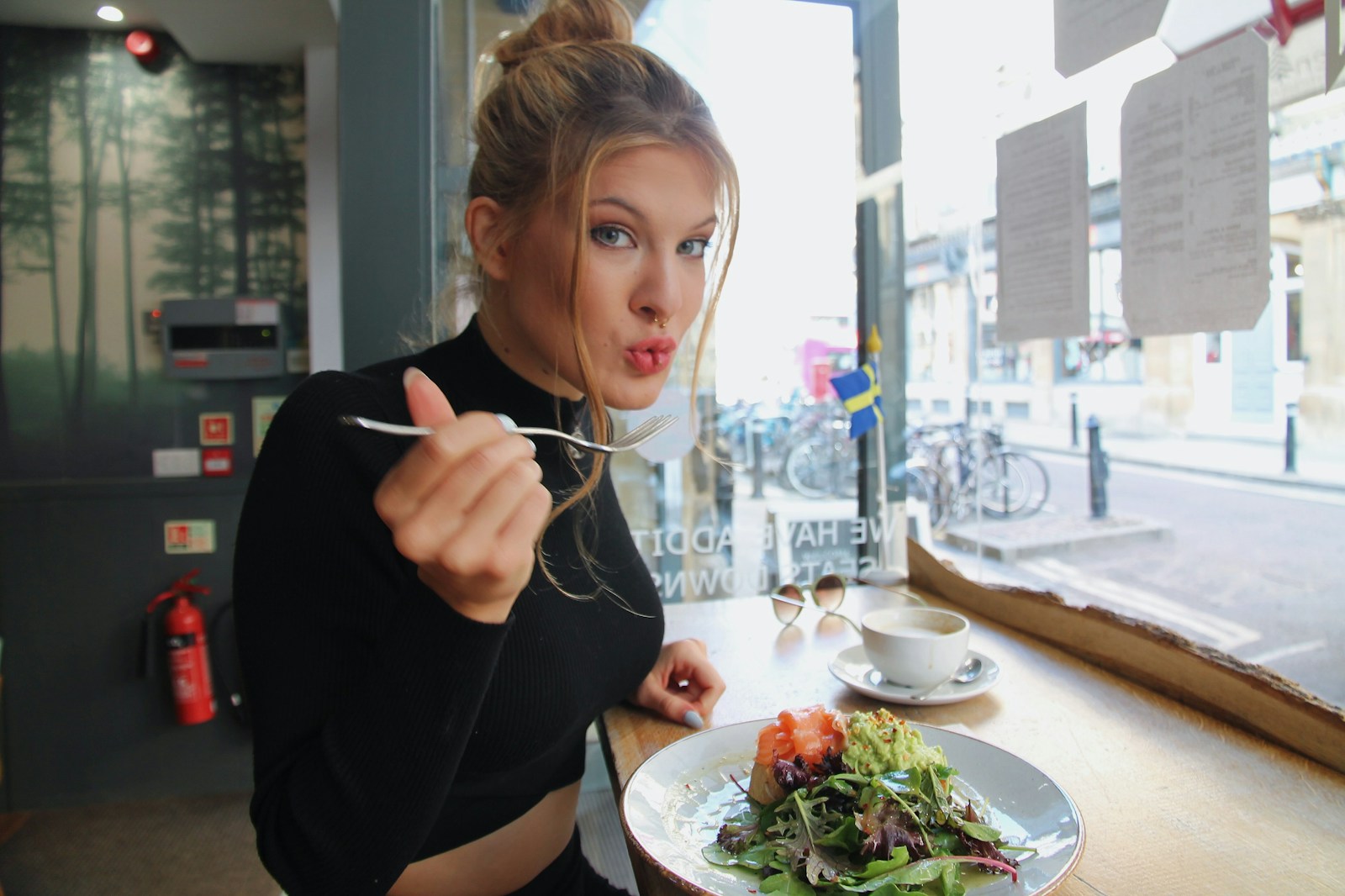
A woman’s confession about her dining habits has sparked conversation about the struggle many people face when it comes to home cooking. Despite knowing that her frequent restaurant visits are affecting her health and budget, she admits she can’t find the motivation to prepare meals at home.
The woman’s dilemma highlights a common modern challenge where the convenience and appeal of eating out consistently wins over the practical benefits of cooking at home. Her story resonates with countless others who find themselves in the same cycle, ordering takeout or dining at restaurants even when they recognize the toll it takes on their wellbeing.
What makes eating out so irresistible that it overrides health concerns and financial sense? Her experience sheds light on the psychological barriers that keep people from cooking, even when they know they should. The gap between intention and action reveals something deeper about how women view cooking in modern life and the real obstacles that prevent them from developing sustainable habits in the kitchen.

Why Eating Out Feels Easier and More Appealing
Restaurants offer immediate gratification without the planning, preparation, or cleanup that comes with cooking at home. The appeal goes beyond convenience, tapping into emotional needs and ingrained behavioral patterns that make eating out feel essential to self-care for many people.
The Emotional Comfort of Restaurants
Walking into a restaurant provides an instant shift in atmosphere that a home kitchen can’t replicate. The background noise, the lighting, and the presence of other diners create an environment that feels like an escape from daily responsibilities.
For many people, being served transforms the dining experience into something that feels like a reward. After a long workday, the idea of someone else handling every aspect of the meal—from preparation to presentation to cleanup—carries significant emotional weight. Socializing at restaurants relieves loneliness and boosts well-being in ways that eating alone at home doesn’t match.
The ritual of going out also creates a mental boundary between work life and personal time. Restaurants become associated with pleasure and relaxation, making them a default choice when stress levels run high.
Comparing Restaurant Food to Home-Cooked Meals
Restaurant dishes often deliver flavors that home cooks struggle to recreate. Professional kitchens use techniques, ingredients, and equipment that most home kitchens lack.
Chefs work with ingredients like specialty oils, stocks simmered for hours, and professional-grade seasonings that create depth of flavor. They also use higher amounts of salt, butter, and sugar than most people would use at home, which makes food taste more satisfying in the moment.
Restaurant advantages:
- Access to specialized cooking equipment
- Professional training in flavor development
- Broader ingredient selection
- Consistent execution and presentation
Home-cooked meals typically can’t compete on taste intensity, even when they’re nutritionally superior. The gap between what someone can quickly prepare at home versus what arrives at their table in a restaurant makes cooking feel inadequate by comparison.
Understanding the Habit Loop
Repeated restaurant visits create a behavioral pattern that becomes difficult to interrupt. The habit forms through a simple cycle: craving good food, going to a restaurant, and receiving immediate satisfaction.
Each successful restaurant experience reinforces the behavior. The brain begins associating restaurants with pleasure and home cooking with effort. Over time, the decision to eat out requires less conscious thought—it becomes automatic.
The accessibility of restaurants strengthens this loop. With delivery apps and countless dining options nearby, the friction between craving and fulfillment nearly disappears. Breaking this pattern requires not just willpower but rebuilding new associations around home cooking, which takes sustained effort that feels overwhelming when the alternative is so readily available.
Health Consequences of Frequent Dining Out
Restaurant meals typically contain more calories, sodium, and unhealthy fats than home-cooked versions of the same dishes. A registered dietitian reviewing typical restaurant portions would note that single meals often exceed recommended daily limits for these nutrients.
Studies show people who eat out frequently have higher rates of weight gain and elevated blood pressure. Restaurant food tends to be energy-dense but nutrient-poor, lacking the fiber and micronutrients found in balanced home-cooked meals.
The health impact accumulates gradually. Someone eating out multiple times per week may not notice immediate consequences, but over months and years, the pattern contributes to chronic inflammation, metabolic issues, and increased disease risk. The disconnect between short-term satisfaction and long-term health makes it easy to ignore these consequences until symptoms appear.
Overcoming the Motivation Gap for Home Cooking
The transition from frequent dining out to home cooking requires addressing both practical barriers and psychological resistance, with strategies that acknowledge the real challenges of cooking for one while making the process less overwhelming.
Small Steps Toward Enjoyable Solo Cooking
Many people who struggle with home cooking find that eating alone removes a key motivator. Food professionals admit they face the same challenge—cookbook author Alison Roman revealed during a New York Times Food Festival talk that her solo dinners consist of “a bowl of cottage cheese with a cucumber in it.”
The pattern repeats across the industry. When cooking for themselves, many food experts skip elaborate meals entirely. They find that inviting neighbors over or cooking for friends transforms the experience from a chore into something enjoyable.
For those living alone, the psychological shift matters more than culinary skill. Self-Determination Theory suggests that intrinsic motivation drives whether cooking feels burdensome. Creating even small rituals around solo cooking—like setting the table or choosing a favorite podcast—can help bridge that gap.
Home Cooking Tips for One Person
Food writers Ruth Reichl and Kim Severson both emphasized at the festival that home cooks shouldn’t try to replicate restaurant-quality dishes. Reichl stated clearly: “Home cooks should not try to be chefs. There’s chef food, and there is home cooking.”
NYT Cooking editor Melissa Clark focuses on one-pan and one-pot meals for solo cooking, recommending recipes “where it’s not multiple steps.” Sheet pan recipes work particularly well—any combination of protein and vegetables seasoned with garlic, mustard, or spices like cinnamon or cardamom can go straight into the oven.
Red lentils offer another simple option. Chef Priya Krishna demonstrated an Instant Pot dal at the festival using split yellow lentils, turmeric, and a bay leaf, then finishing with ghee and dried chiles. Ingredients like miso or saffron can elevate simple dishes without adding complexity.
Making Healthy Choices Without Pressure
The shift toward home cooking becomes easier when health goals don’t demand perfection. Restaurant critic Frank Bruni told the festival audience he opts for “something really simple on nights off,” often choosing roast chicken as his go-to meal.
Instagram’s influence has created unrealistic expectations. Severson pointed out that picture-perfect food photos deceive people who then feel disappointed when their attempts don’t match. The concept of “Ugly Delicious” food celebrates taste over appearance.
Clark encourages people to cook based on their cravings rather than prescriptive meal plans. She wants people to “look into themselves and decide what to eat,” learning to prepare even just two or three dishes they genuinely want.
Leveraging Shortcuts: Meal Prep, Rotisserie Chicken, and Delivery
Registered dietitian Bonnie Taub-Dix suggests that people who want to avoid becoming an “Iron Chef” should look for ingredients that provide a head start. She recommends buying a barbecue chicken from the supermarket, boiling pasta, and sautéing vegetables to create a complete meal.
Rotisserie chicken works as a meal starter for multiple dishes throughout the week. Combined with pantry staples, it eliminates the pressure of cooking from scratch every night.
Alison Roman keeps her apartment stocked like a grocery store, maintaining supplies of canned tomatoes, chickpeas, olive oil, and pasta. This approach means she can always assemble something without shopping trips. For those still adjusting, treating restaurants as an occasional vacation rather than a daily habit—as NYT Cooking editor Sam Sifton does—creates a middle ground between total meal delivery dependence and cooking every meal.
More from Vinyl and Velvet:

Leave a Reply