

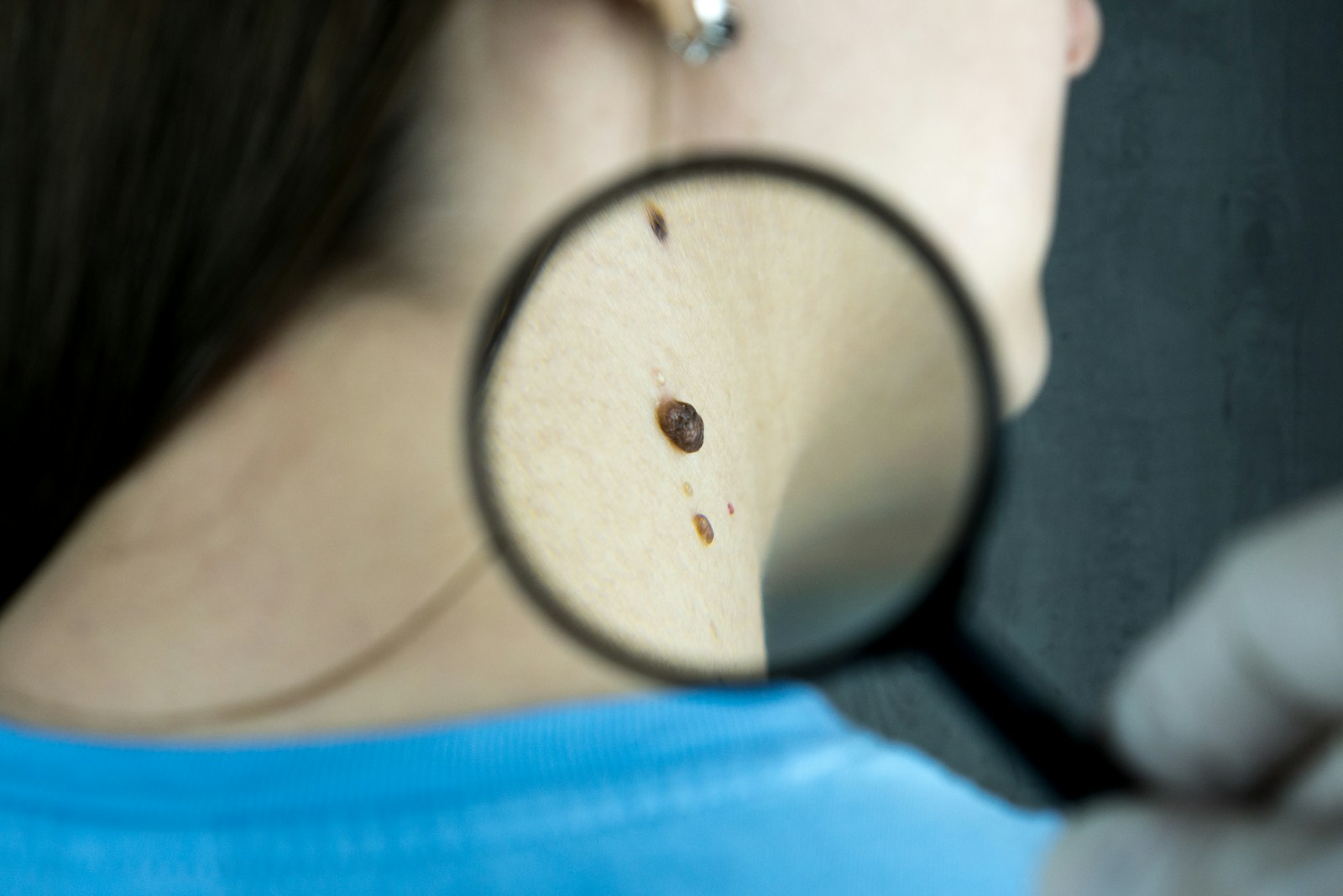
When a single mole on a young woman’s body started to change shape, it did not look like a life-or-death problem. It was just a little different, a bit off, easy to write off as nothing. That quiet shift turned into a melanoma diagnosis and a full-blown skin cancer scare, and now she is using that shock to push others to stop brushing off small warning signs.
Her story joins a growing chorus of patients in their teens and twenties who learned the word melanoma far earlier than they ever expected. Their message is blunt: if a spot on the skin starts to change, do not wait for it to look “bad enough” before getting it checked.
When One Mole Starts Acting Different
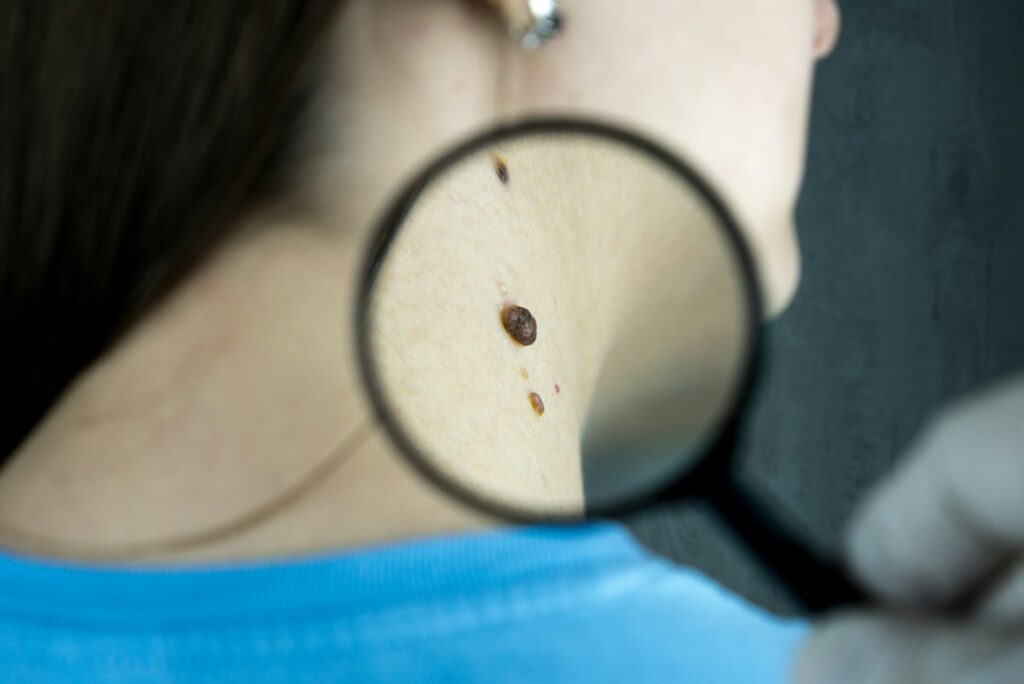
In one widely shared case, a young woman noticed that a single mole seemed to be evolving while the rest of her skin looked the same. The shape shifted and the borders no longer matched the smooth circles she was used to seeing in the mirror. That kind of evolution is exactly what dermatologists flag as a red flag for melanoma, which is described as the most serious type of skin cancer and one where a change in a mole or other spot is often the first sign of trouble. Guidance from specialists notes that a lesion that becomes itchy, tender or starts to bleed can signal a dangerous shift in the cells beneath the surface, and that a growing or darkening patch deserves prompt attention, as outlined in resources on Melanoma.
Her experience echoes another young patient, Molly, who shared that at just 20 years old she never imagined she would hear the word melanoma applied to her own body. In her account, she describes how the mole that changed for her was not a dramatic horror story spot. It was only slightly raised, the texture shifted, and the color looked “off” but not obviously sinister. She explains that she simply did not know that such subtle changes could matter, a gap in awareness that her dermatologist, Jan, now uses to warn others that getting a suspicious mole checked can save a life.
In Molly’s own words, the mole that turned out to be melanoma was “slightly raised,” with a changed texture and a color that felt wrong, even though it did not scream emergency. She describes how it did not fit the cartoon image of skin cancer that many people carry around, which made it easier to ignore. That disconnect is exactly why she now urges people to pay attention when a spot becomes itchy, starts bleeding or just feels different, signs that are also listed in guidance that highlights when a mole WAS changing.
The ABCDEs, the “Ugly Duckling” and Other Quiet Clues
Dermatologists have tried to make mole watching as simple as possible with a checklist that fits on a sticky note. The ABCDE rule asks people to look for Asymmetry, Border irregularity, Color variation, Diameter larger than a pencil eraser and Evolving change over time. Cancer specialists describe how asymmetry, jagged borders and multiple shades within a single spot are classic warning signs, especially when paired with new symptoms like itching or bleeding, as detailed in guidance on Watch for Skin. That “E” for evolving is often the piece that catches cancers early, because the change itself is easier to spot than any one perfect textbook feature.
Another simple trick is the “Ugly Duckling” sign, which asks people to scan their skin for the one mole that does not match the others. Most of a person’s moles tend to share a family resemblance in color and shape. When a single spot looks darker, larger or just out of place, that oddball deserves a closer look. Experts explain that if one mole stands out from the group, it is worth having it checked, a practical rule that is highlighted in advice about the Ugly Duckling sign. For the woman whose story anchors this piece, that lone changing mole was her ugly duckling, quietly waving a flag long before she knew how to read it.
These tools are not meant to turn everyone into an amateur dermatologist. They are meant to give people language for that nagging feeling that something on their skin is not quite right. Cancer centers describe how a new or unusual mole, a spot that looks different from others or a blemish that keeps changing can all be early symptoms of melanoma, and that these changes are often what brings patients in for a biopsy, as laid out in explanations of Common signs. For the woman watching her mole morph, finally having words like “evolving” and “ugly duckling” made it easier to push past denial and book the appointment that caught her cancer.
More from Vinyl and Velvet:

Leave a Reply