

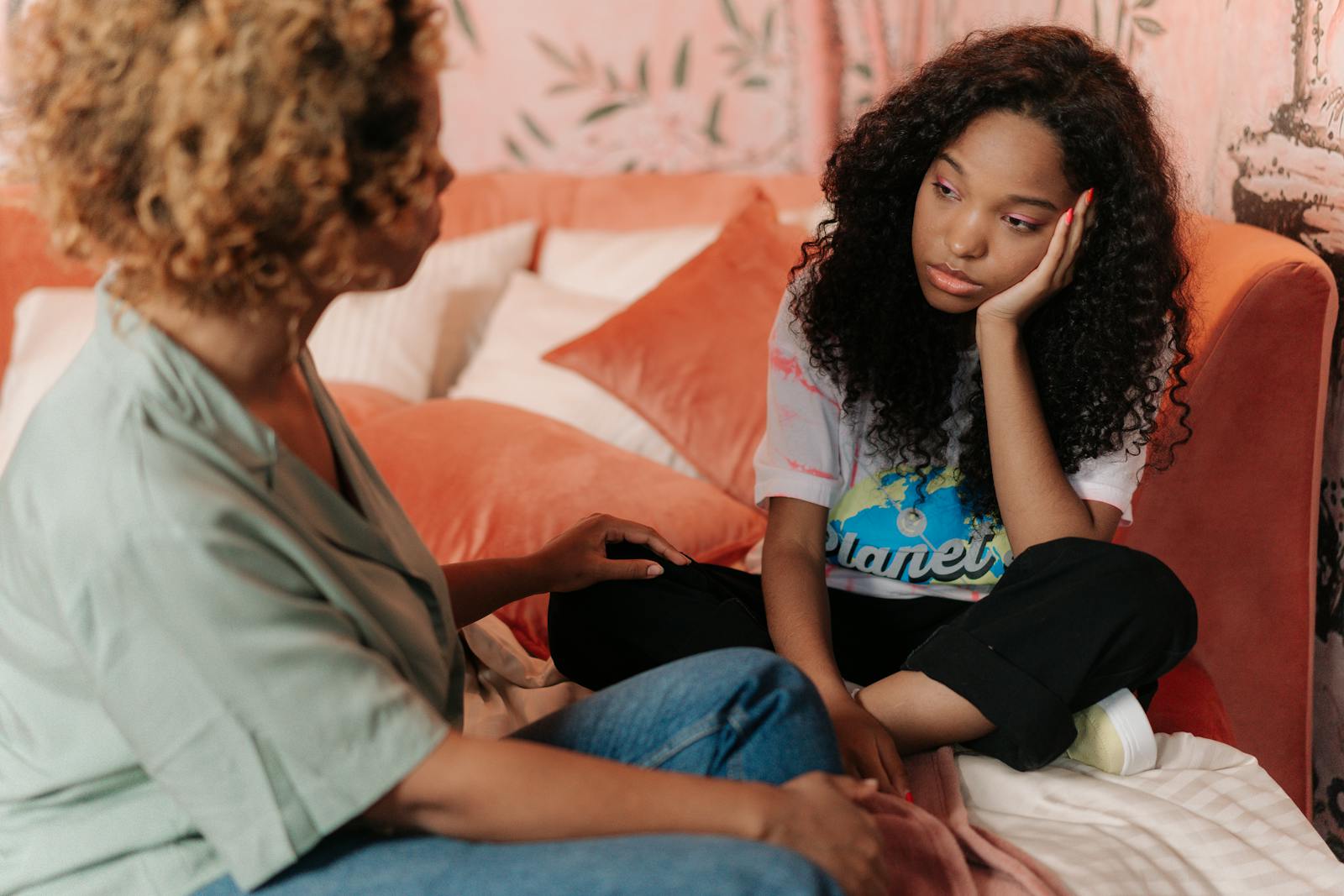
A college student finally snapping at a mother after years of family chaos does not come out of nowhere. It is usually the breaking point in a long pattern of adults expecting a child to absorb the fallout of addiction, instability, or emotional absence, then calling that child ungrateful when they protest. When that student says everyone talks about how hard it is for the parent but that the situation is unfair for them too, they are naming a truth many adult children of chaotic homes recognize but rarely feel allowed to say out loud.
Online, stories of sons and daughters reaching that limit surface again and again, drawing thousands of comments from strangers who see their own families in the conflict. The latest case of a college student telling a mother that the hardship narrative cannot only center the parent fits into a wider pattern of young adults pushing back on being cast as supporting characters in their parents’ redemption arcs. It also raises a harder question: when a parent has suffered, how much pain is a child expected to quietly carry?
The Reddit flashpoint that put the quote in the spotlight
The phrase that anchors this story comes from a detailed post on an advice forum where a college student describes years of family turmoil and a final confrontation with a mother. In the account, the student explains that relatives and family friends constantly frame the mother as the one who has had it hardest, while the student has been expected to adapt, forgive, and keep performing in school. When the student finally tells the mother that everyone says it is hard for her but that it is unfair for them too, the comment is treated as disrespect rather than a plea for recognition, which prompts the student to ask online if they are in the wrong.
The discussion unfolds in a digital ecosystem already primed for these questions. On communities such as r/AmItheAsshole, users regularly weigh in on conflicts where children challenge long standing family roles. In the specific thread about the college student, the post is cross referenced with a related question on an accountability focused forum, where the user again recounts telling the mother that the situation is unfair for them too and wonders whether that reaction was justified. The original confrontation is described in the AITAH version of the post, while a parallel thread on r/AmIOverreacting shows the same user, identified as Mar, replaying the argument and asking if they misread the situation or if the anger was proportionate.
Why adult children say “you chose to be parents, not me”
The college student’s outburst echoes another widely shared account in which a young man tells his parents that in the end of the day they chose to be his parents, not the other way around. In that case, documented in a detailed update thread, the son describes years of feeling sidelined and then erupting during a family dinner. He tells them they could have chosen not to have children if they were not ready, and that he no longer regrets setting firm boundaries after their reaction. The parents later recount that their son said he was tired of being treated like an accessory to their choices, and that they eventually told him they were sorry and admitted they had failed him, as reflected in the BestofRedditorUpdates summary.
These statements resonate because they flip a script that has long shielded parents from full accountability. Rather than accepting that any conflict with a parent is automatically a sign of disrespect, adult children are pointing out that they did not volunteer for their role in the family. They were born into whatever instability already existed, including addiction, untreated mental illness, or financial chaos. When they say the parents chose this, they are not denying that adults can suffer; they are asking why the child is expected to pay the highest price for adult decisions. That logic sits behind the college student’s line about everyone focusing on how hard things are for the mother while ignoring that the arrangement is deeply unfair for the child.
Anger at parents as a normal response to chronic chaos
Mental health professionals increasingly frame this kind of anger not as a character flaw but as a predictable response to long term stress. Clinical guidance on anger toward parents in adulthood notes that persistent resentment often traces back to experiences such as neglect, abandonment, estrangement, or growing up in homes with too many rules or almost none at all. When a child has to manage adult responsibilities or emotional crises before they are ready, the body learns to stay on high alert, and that tension can erupt later in sharp confrontations when the person finally feels safe enough to speak. Resources on anger at parents highlight that this kind of reaction is especially common in adult children who were pressured to be the responsible one while a parent cycled through instability.
Other therapeutic writing focuses on the impact of emotionally absent mothers on daughters, noting that daughters who grow up with a parent who is physically present but emotionally distant often struggle with self worth and fear of rejection in close relationships. One analysis of emotionally unavailable parenting lists consequences such as chronic self doubt, difficulty trusting partners, and a tendency to over function in relationships to earn love. It describes how Daughters Here, when raised by a mother who cannot reliably offer comfort, may internalize the belief that their needs are too much or that they must stay quiet to keep the peace, which can make later confrontations feel both terrifying and necessary. That pattern helps explain why a single snapped sentence from a college student to a mother can carry the weight of years of swallowed frustration.
How online culture is reshaping the “ungrateful child” narrative
Public reaction to these stories also shows a cultural shift. In earlier decades, a young adult who raised their voice at a parent might have been quickly labeled ungrateful within their immediate community, with little outside perspective. Now, when someone like Mar posts a detailed account on an advice forum and asks if they went too far, thousands of strangers can respond with their own experiences and judgments. On threads where a student describes a mother missing a graduation or demanding help at the expense of schoolwork, commenters often side with the young person and label them NTA, or not the asshole, for drawing a line. A widely discussed example involves a user named You, who vents about a mother missing a major milestone, and another case where a student refuses to skip assignments to help a parent and recounts how She and Then her friend minimized academic priorities.
This crowdsourced feedback does not replace professional support, but it does challenge the automatic assumption that the parent’s suffering cancels the child’s. On communities that center stories of difficult parents, such as those where users describe a mother going into a 10 minute screaming tirade in a car or pressuring a child to follow a prescribed life path, readers often point out patterns of control and emotional abuse rather than focusing solely on the parent’s stress. That broader conversation intersects with support oriented spaces such as Al Anon style groups and youth focused resources like Teen Anon, as well as child protection organizations such as Childhelp, which all exist because some family environments are unsafe or chronically unstable regardless of how hard a parent’s life has been.
More from Vinyl and Velvet:

Leave a Reply