

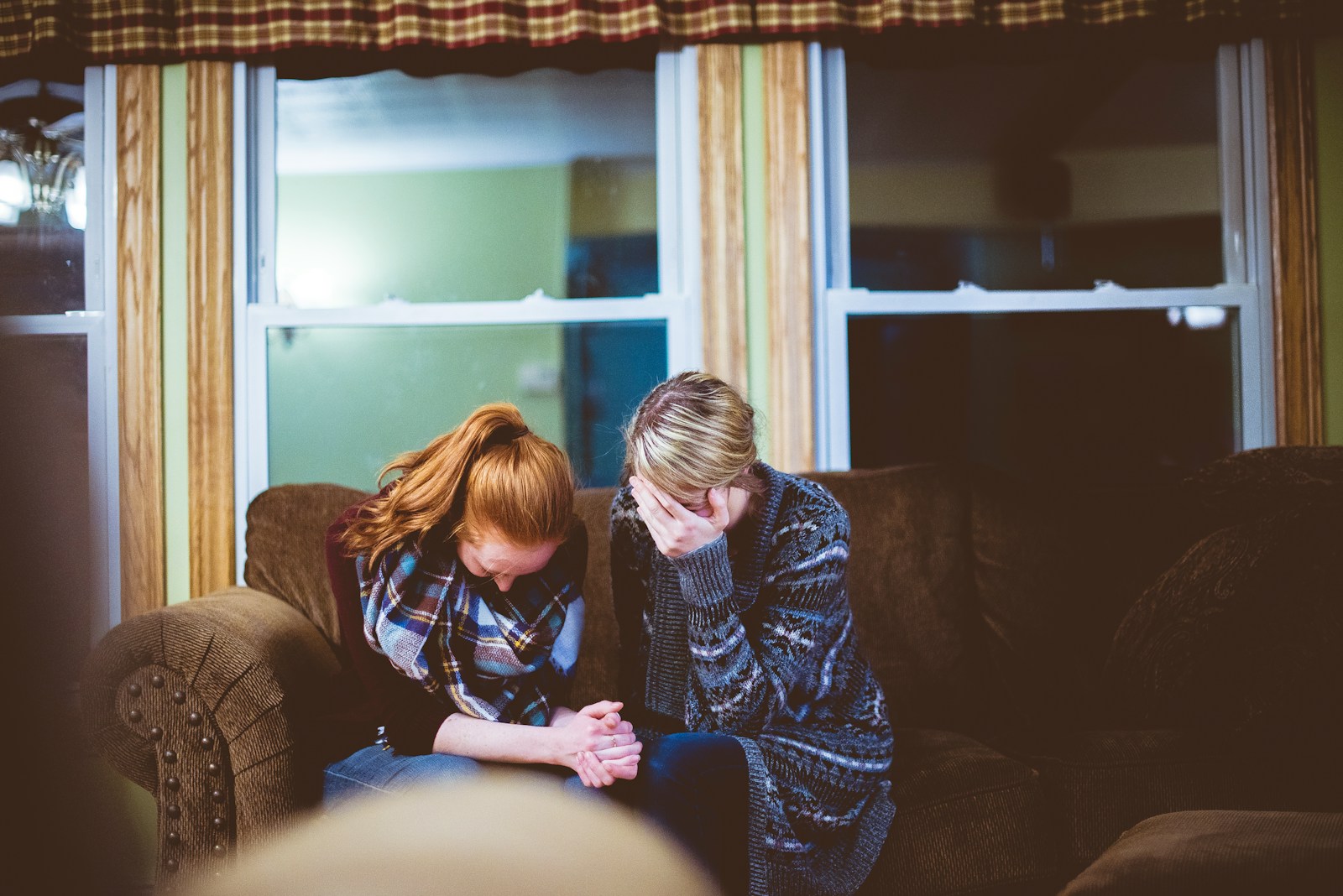
The family drama begins with a phone call and a favor that does not sound like a favor at all. A bartender daughter is told, almost as an afterthought, that she is now responsible for getting her dad to the hospital, even though one sister is unemployed and another is quietly excused. By the time the plan falls apart, everyone is angry, and the bartender is left wondering how she became the default ambulance.
At the core is a familiar dynamic: the “responsible one” gets tapped for every hard task, then gets blamed when the logistics are messy. The headline outrage about being stuck with a last minute hospital run while siblings opt out is really about how families assign duty, guilt, and grace when a parent needs care.
How One Sister Became The Default Caregiver
In these kinds of stories, the designated driver is rarely chosen in a family meeting. It is usually the sibling who has a car, a flexible job, or a reputation for handling chaos. Here, the bartender daughter fits that profile. She is used to late nights, medical scares, and drunk strangers, which makes relatives assume she can absorb one more crisis. That same logic shows up in posts where adult children scramble to get a parent to the ER and then argue over who “should” have gone, as in an AITA thread about refusing to accompany dad to the hospital at all.
What grates is not just the drive but the double standard. The unemployed sister is free, yet somehow unavailable. The older sister is given a pass because of kids, distance, or the vague category of “having a lot going on.” That leaves the bartender, who may already be stretched thin by late shifts and the emotional load of serving people in crisis. In another post about a hospital trip miscommunication, a writer describes how a garbled call led to assumptions about who would ride along, then to a blowup when expectations did not match, echoing the same pattern of messy planning and blame seen in the miscommunication story that ended with family anger instead of gratitude.
Unequal Siblings, Unequal Expectations
Once a family decides who is “good in a crisis,” that label tends to harden into a job description. The unemployed sister in this scenario is treated as fragile or exempt, while the bartender is treated as infinitely elastic. Online, readers routinely push back on that script. In one case, commenters told a spouse he was “NTA” for considering canceling a trip when in-laws kept shifting expectations, with one top reply from Salty-Initiative-242 pointing out that constant schedule bending for one side of the family is not sustainable. The same logic applies here: if only one sibling is ever asked to rearrange life for dad, resentment is not a character flaw, it is a predictable outcome.
Uneven duty also shows up in who is allowed to say no. The older sister in this story gets to opt out without a fight, while the bartender is framed as selfish if she hesitates. That kind of double standard is visible in another viral post where a driver, fed up with a difficult father, kicked him out of the car on the way home from the hospital and was widely labeled “YTA” for crossing a safety line. Commenters argued that if the relationship was that bad, the child should have refused the ride entirely or arranged a rideshare instead of escalating on the road, as detailed in the YTA judgment. The bartender daughter here is trying to avoid that exact trap: being forced into a high stakes errand, then blamed for how she handles it.
When Caregiving Collides With Real Life
Behind the anger is a simple logistical truth: people have jobs, commutes, and other obligations, even when a parent is sick. A bartender’s schedule is already the opposite of a typical nine to five. Late nights, unpredictable tips, and the emotional labor of managing customers can leave someone drained before the family group chat even lights up. One creator who works behind the bar joked about trying to drink sambuka without making a face, while referencing people in real life who saw her Evercl content, in a clip that captured how service workers are always “on” for others, as seen in a viral TikTok video. That constant performance makes it even harder to pivot into unpaid medical transport on demand.
Caregiving also collides with the rest of a messy household. Some families do not have a strict schedule at all, which leads to even more chaos when emergencies hit and no one knows who is on deck. Reporting on one family that auditioned for help from a TV nanny described how the lack of a consistent routine meant every task became a scramble, which is exactly how a last minute hospital run lands on whoever picks up the phone first, as seen in coverage of a family whose loose structure created more chaos than support.
More from Vinyl and Velvet:

Leave a Reply