

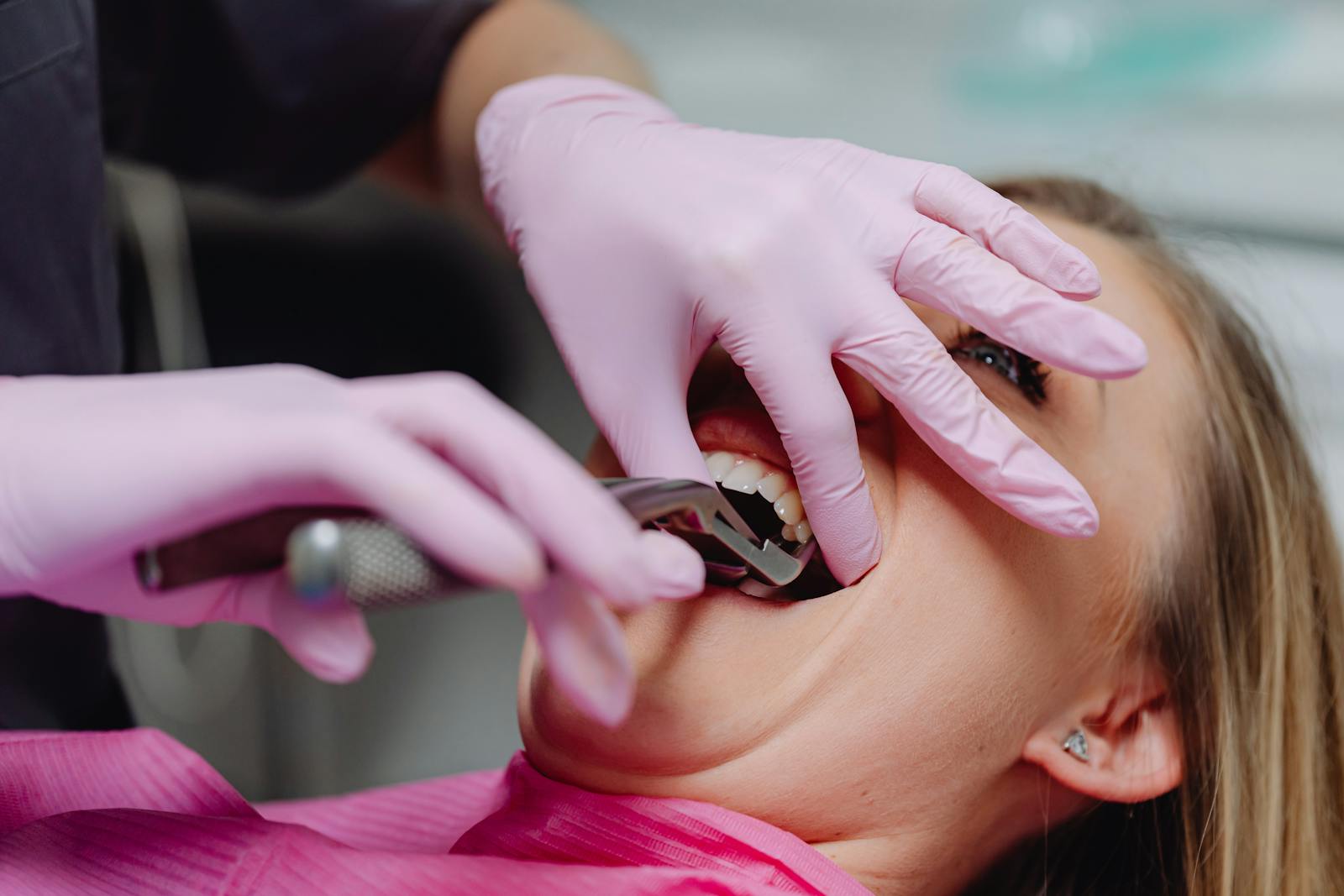
A young woman went through wisdom tooth surgery with almost no help from the people who were supposed to care most about her. When her parents later expected her to step in and care for her sick mother, the emotional math suddenly looked very different. Her story taps into a familiar tension for many adults who grew up with parents who treated serious medical needs like minor inconveniences, then demanded unquestioning loyalty when the roles reversed.
Behind the viral drama is a quieter question about what family support should look like when someone is vulnerable, groggy, and in pain. Dental surgeons treat wisdom tooth removal as a real operation, not a punchline, yet plenty of parents still shrug off the recovery or even mock their kids for struggling through it. The fallout from that kind of dismissal can linger long after the swelling goes down.
The surgery, the silence, and the “chipmunk” jokes
In one account, a 24 year old woman described having her top wisdom teeth removed and getting almost no meaningful help from her parents. They did not take her pain seriously. Instead of checking on her or making sure she had what she needed, they laughed at how she looked, calling her a “chipmunk” while she was swollen and miserable. When another round of dental work came up, she told readers she wanted her boyfriend to handle the logistics because she did not want her parents involved at all, since offered no support the first time.
Her choice to exclude them was not about teenage rebellion; it was about pattern recognition. When someone is in enough pain that basic tasks feel impossible, the people around them send a loud message through their actions, or lack of them, about how much that suffering matters. In this case, the message from her parents was that her medical needs were a joke, and that humiliation stuck with her long enough that she felt safer relying on a partner than on family.
When caregiving runs only one way
The twist came when those same parents later expected her to step up as a caregiver for her mother during a serious illness. After ignoring her distress around surgery and treating her swollen face like entertainment, they now framed family duty as a one way street that ran straight through their daughter. The emotional whiplash is familiar to many adults who grew up as the default helper, only to realize that the support they gave was never going to be reciprocated when they needed it most.
That double standard shows up in other families too. One woman described having a major operation and waiting ten days without a single check in from her parents, then finally confronting them about how abandoned she felt. Her father, referred to simply as Dad, brushed her off and said she was “just looking for an excuse to be angry” and should give people a break, and neither of them how she was doing. When parents minimize their adult child’s pain like that, then turn around and ask for devoted care when they fall ill, resentment is not a surprise; it is a predictable outcome.
Medical ignorance, control, and the straw incident
Sometimes the harm is not just emotional, it is physical. In another story, a poster named Mar recalled having wisdom teeth removed and being sent home with clear instructions on how to protect the healing sites. Her mother did not bother to read the post operation manual and instead forced her to drink through a straw while her mouth was still numb, even as Mar struggled with it and tried to say something was wrong. That insistence ignored the risk of dislodging blood clots and causing a painful complication, and Mar later framed it as a basic failure to care for their kid after surgery, describing how mother forced her in a way that directly contradicted the dentist’s instructions.
That detail matters because wisdom tooth removal is not a casual procedure. Dental professionals point out that while social media loves clips of groggy patients, the extraction itself is surgery that can involve significant pain, infection risk, and complications if aftercare is ignored. One dental practice used a Russell Wilson clip as a hook to remind patients that removing wisdom teeth, and that the jokes stop being funny when a parent’s carelessness leads to dry socket or infection. When a parent chooses control or convenience over basic medical guidance, the child’s body pays the price.
Going no contact after being treated like a burden
The pattern of being expected to give more care than one ever received does not stop at dental surgery. In a separate account, a mother of twins described how her own parents refused to help her at a point when she was overwhelmed and scared for her babies. When she tried to explain that their grandchildren needed their mother to survive, her father dismissed her and said she was always causing problems, always needing help, always a burden. That framing pushed her toward a breaking point, and she eventually cut them off, telling readers that grandchildren needed their and that she could not keep chasing support that would never come.
Her story lines up closely with the wisdom tooth patient who chose her boyfriend over her parents for post op care. In both cases, older relatives framed any request for help as evidence that the younger person was needy or dramatic, then tried to claim the moral high ground when they were no longer welcome in medical decisions or childcare. Going no contact or low contact is rarely a snap decision. It usually comes after a long string of moments when someone in pain was told they were the problem for asking to be seen.
Why these stories resonate far beyond one family
These accounts also highlight how online communities have become a kind of informal triage center for people trying to figure out if what they lived through was normal. Platforms that host these stories operate under detailed rules about what users can share and how they are treated. Reddit, for example, spells out in its user agreement that it is a place where individuals can post their own experiences, and its content policy and privacy policy govern what stays up, what gets removed, and how personal data is handled. Those guardrails, along with accessibility guidance in sections like Accessibility, shape the environment in which people share raw stories about surgery, caregiving, and family conflict.
For the woman whose parents mocked her chipmunk cheeks then later expected her to nurse her sick mother, that environment offered something she had not found at home: validation that her pain was real and that care should not be a one way obligation. Similar voices, from Mar’s forced straw incident to the daughter whose Dad insisted she was just looking for an excuse to be angry, sketch a larger picture of adults who were taught to minimize their own suffering for the comfort of others. When they finally start setting boundaries around medical care and caregiving, they are not being petty. They are quietly rewriting the terms of what family support is supposed to mean.
More from Vinyl and Velvet:

Leave a Reply