

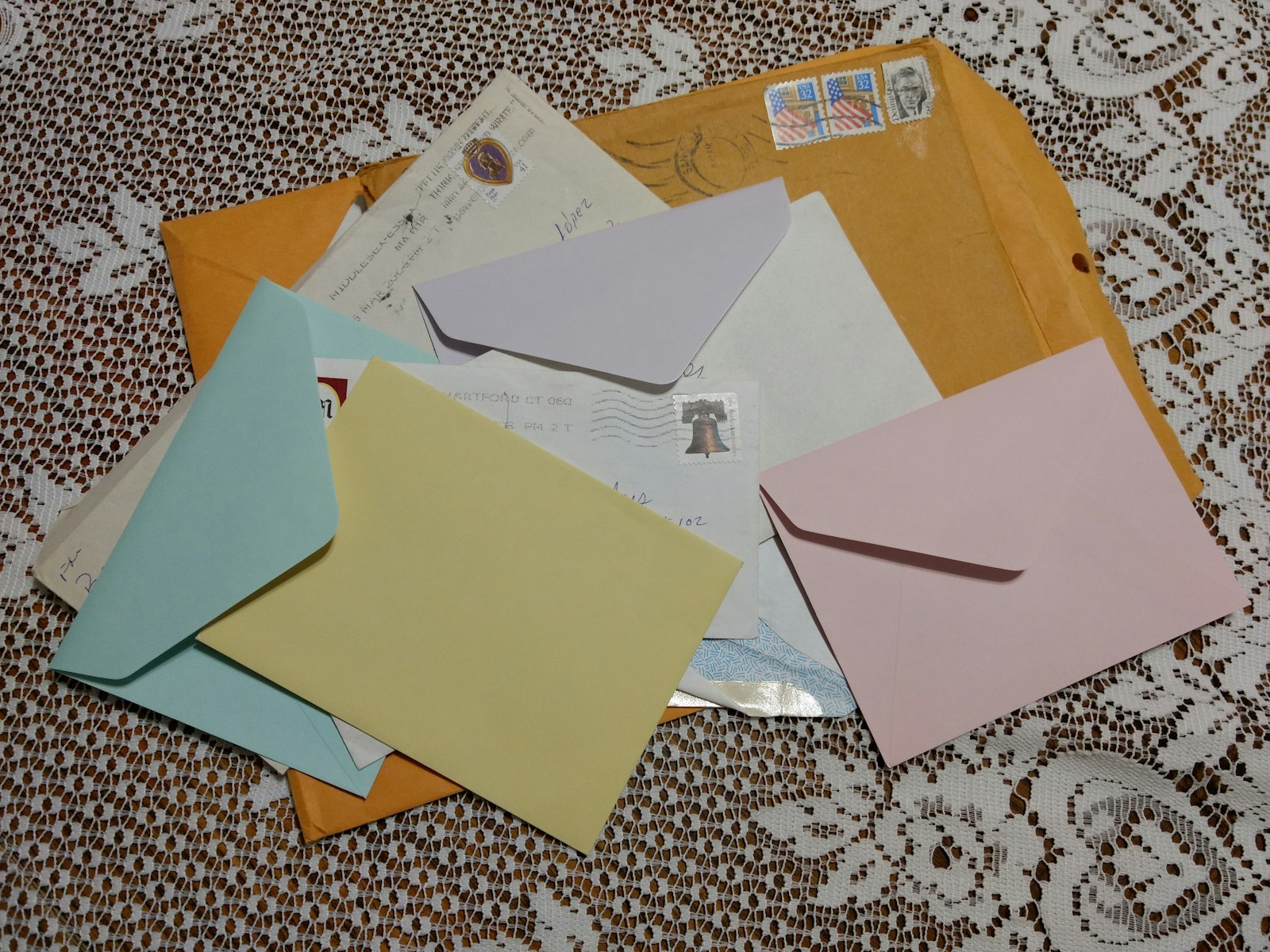
When Sentiment Meets Practicality
Imagine this: you’re rummaging through your attic, and you stumble upon a dusty old box filled with letters, each one telling a story that’s been tucked away for decades. You can almost hear the voices of your grandparents as you sift through their handwritten words, rich with emotion and history. Now, imagine someone — in this case, your mom — comes along, glances at the box, and decides it “looks like junk” before tossing it out. Ouch, right? This is the reality one young person is grappling with, and it’s a scenario that hits home for so many of us.
A Box of Memories Lost
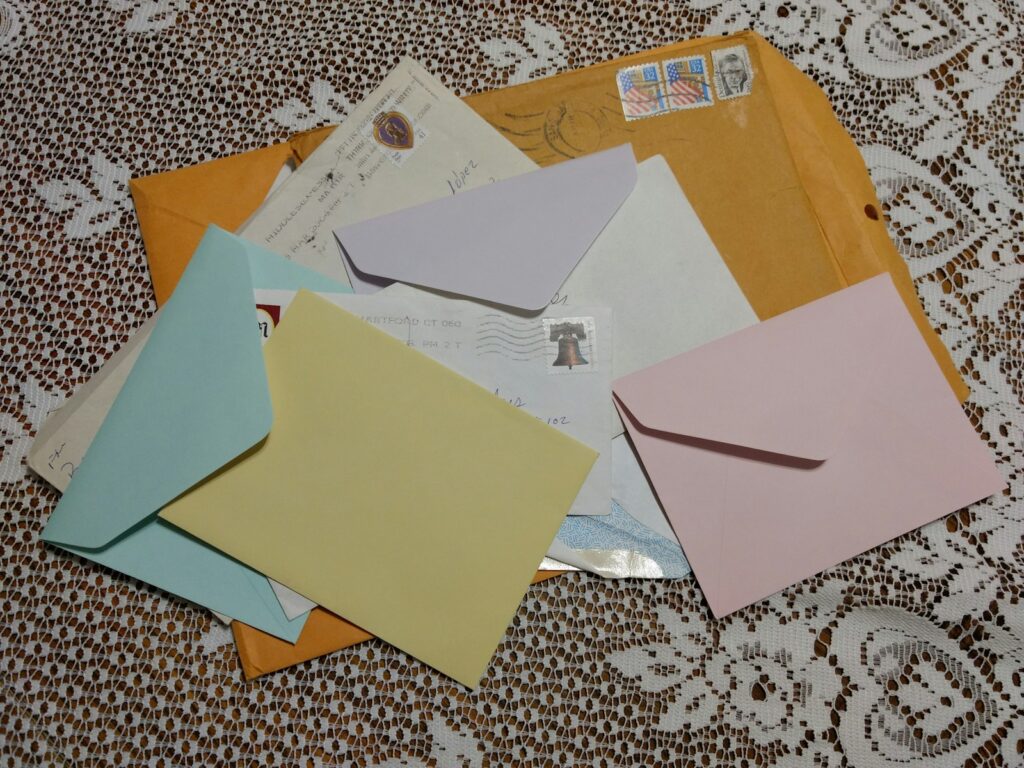
The young person in question, let’s call her Sarah, was heartbroken when she learned that her mom had thrown away a cherished box of letters that belonged to her grandparents. To Sarah, those letters represented more than just paper; they were pieces of her family’s history, bursting with love, advice, and shared experiences across generations. But her mom, in a fit of decluttering, couldn’t see the sentimental value and simply deemed them as clutter. It’s a classic case of different perspectives colliding — and it’s left Sarah feeling hurt and a bit lost.
Now, Sarah’s mom is upset that her daughter won’t let this go. After all, it was just a box of old letters, right? But for Sarah, it’s not just about the letters. It’s about the connection to her family, the stories she’ll never get to read, and the memories that are now lost forever. It’s like going back to a favorite childhood movie only to find out someone wiped it from existence. You can’t help but feel a little betrayed.
The Heart of the Matter
This situation raises some pretty interesting questions about what we value and how we deal with our past. On one hand, Sarah’s mom likely thought she was helping by getting rid of what she saw as clutter. Many of us can relate to that urge to declutter — it’s like a fresh start, right? But on the other hand, there’s a fine line between tidying up and erasing history. It’s a reminder that not everything that looks like junk to one person holds the same value for another.
For Sarah, those letters contained wisdom from her grandparents that can’t be replaced. They were windows into their lives, filled with stories she might never hear again. It’s like losing a part of her identity and connection to her family. It’s perfectly normal for her to feel upset about it. After all, how would you feel if someone tossed out your favorite childhood toy or a family heirloom that held deep significance?
Moving Forward: Finding Common Ground
So, what happens next? Sarah’s in a bit of a bind, and it’s understandable that she’s struggling to forgive her mom. It’s not just about the letters anymore; it’s about trust and understanding. But here’s the thing: forgiveness doesn’t mean forgetting or minimizing her feelings. It’s more about finding a way to communicate what those letters meant to her.
Maybe Sarah could sit down with her mom and explain why she’s so hurt. Sharing her feelings could help her mom understand the significance of the lost letters. It might even encourage her mom to be more mindful about what gets tossed in the future. After all, it’s one thing to clear the clutter, but it’s another to clear out family history.
The Importance of Communication
This whole situation highlights the importance of communicating our feelings, especially when it comes to family. Often, we assume that our loved ones understand what’s important to us, but that’s not always the case. Taking the time to express ourselves can bridge gaps and lead to healthier relationships.
And let’s be real — we all have moments where we make mistakes or misjudge a situation. Maybe Sarah’s mom didn’t fully grasp the weight of the letters. It’s a teachable moment, not just for her mom but for Sarah, too. Learning to navigate these tricky family dynamics can lead to stronger bonds, even if the road is a bit bumpy.
Finding Closure
In the end, it’s about finding a way to process this loss while also nurturing the relationship with her mom. While the physical letters are gone, the stories they held can still be shared and remembered in other ways. Perhaps Sarah can create her own letter or journal reflecting on what she remembers about her grandparents, weaving in the love and lessons they imparted.
More from Vinyl and Velvet:

Leave a Reply