

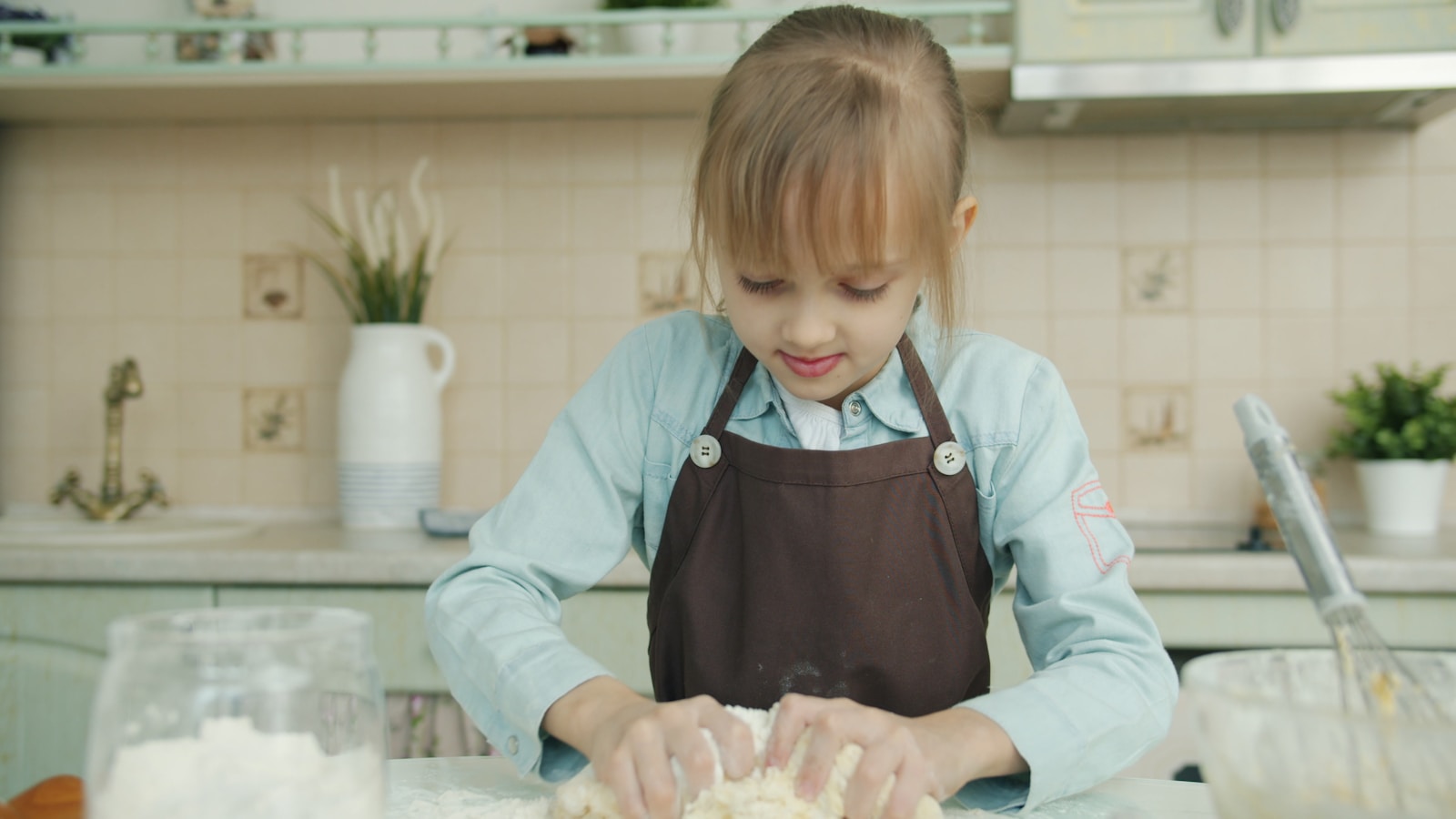
A mother spent an entire day in the kitchen with her toddler, letting him crack eggs, stir batter, and press sprinkles into frosting for his father’s birthday cake. By the time the candles were lit, the boy was telling relatives he had made it “all by myself.” Then his father walked in, grabbed the cake with both hands, and smashed it. The toddler burst into tears. The mother, posting her account on Reddit in late 2025, said that moment was the end of her marriage.
Her story resonated far beyond the thread where it first appeared. Thousands of commenters recognized the pattern: one partner treats destruction as comedy, the other is left comforting a child and cleaning frosting off the floor. The backlash reflects a growing rejection of so-called cake smashing, a social media trend in which birthdays and weddings become stages for stunts that prioritize a shareable moment over the people in the room.
What happened at the birthday party
In the Reddit post, the mother described planning a low-key celebration at home. She let her toddler measure flour, stir frosting, and choose the decorations. The process took most of the day, not because the recipe was difficult, but because she wanted her son to feel ownership of the gift. When her husband arrived, she expected a simple scene: a thank-you, maybe a photo, then slices on plates.
Instead, he destroyed the cake in front of the family. When his wife and son reacted with shock and tears, he reportedly told them they were being too sensitive and pointed to viral videos where people smash cakes for laughs. The mother wrote that his response hurt more than the act itself. She had organized the entire day around him, and he chose a punchline over their child’s pride.
The account is unverified, as all anonymous social media posts are, but it struck a nerve because the dynamic it describes is not rare. In a September 2025 report by the New York Post, a mother described her fury after her husband tried to shove their baby’s face into a birthday cake for a photo op, then grew angry when she stopped him.
When “it’s just a joke” ignores a direct no
What unites these stories is not the frosting. It is the moment one person says no and the other does it anyway.
In a widely viewed video first covered by Inside Edition on Facebook, a father at his son Robert’s first birthday picked up the cake and hurled it into his wife Candy Mroy’s face. In the footage, Mroy can be heard saying “no” before the cake hits her. Onlookers laughed. She wiped frosting from her eyes in silence. The clip reignited debate about why some partners treat another person’s boundaries as part of the entertainment.
On Reddit’s AITA forum, another mother asked whether she was wrong for refusing to let her husband push their baby’s face into a cake at the child’s party. She described him as gentle with their son in every other context, yet fixated on this one stunt. Commenters overwhelmingly sided with her, calling the insistence on performing the smash over her objection the real problem.
The wedding version of the same test
The pattern shows up at weddings, too, and relationship professionals have started treating it as a signal worth paying attention to.
In a case covered by Fox News, an anonymous bride described leaving her own reception after her husband shoved cake into her face despite a prior agreement not to. Relationship therapist Dr. Racine Henry, quoted in that report, connected the groom’s choice to deeper issues around control, noting that he had picked a moment with cameras rolling and family watching to override her clearly stated wishes, then labeled her reaction as overdramatic.
A Medium essay by Bold Elegant Diva gathered anecdotal reports from wedding planners and photographers who observed that couples who engage in aggressive cake smashing sometimes showed signs of trouble later. The author was careful to note there are no formal studies linking cake smashing to divorce rates, but framed the act as a public test of empathy: does one partner enjoy the other’s discomfort once an audience is present?
What the research says about contempt in relationships
There is no peer-reviewed study on cake smashing specifically, but the underlying dynamic maps closely onto decades of relationship research. Psychologist John Gottman, whose work at the University of Washington tracked thousands of couples over multiple years, identified contempt as the single strongest predictor of divorce. Contempt shows up when one partner dismisses the other’s feelings, mocks their reaction, or treats their distress as an overreaction.
Smashing a cake a toddler spent all day making, then telling your wife and child to lighten up, fits that description. So does ignoring a bride’s explicit request at her own wedding. The act itself may be small, but the message it sends is not: your feelings matter less than my fun.
Child development specialists add another layer. The American Academy of Pediatrics has long emphasized that toddlers build self-esteem through mastery experiences, moments where they complete a task and receive positive feedback. Destroying the product of a child’s effort in front of them, even unintentionally, can undermine that process. When it is done deliberately for a laugh, the child learns that their work and their emotions are not safe from the people they trust most.
Why one ruined cake can end a marriage
For the mother in the Reddit post, the smashed birthday cake was not really about the cake. She described it as the final entry in a long list of smaller dismissals: times she organized, planned, and accommodated, only to have her effort treated as unimportant. The cake was just the version that finally made the pattern impossible to ignore.
That framing resonated with readers because it reflects how many relationships actually end. Divorce rarely traces back to a single dramatic betrayal. More often, it follows a slow accumulation of moments where one partner’s needs are consistently ranked below the other’s impulses. Gottman’s research calls this “turning away” from a partner’s bids for connection, and his data shows that couples who divorce turn away from each other far more often than couples who stay together.
The mother who posted on Reddit said she is done. Whether she follows through is her business. But the thousands of people who recognized her story suggest that cake smashing, for all its silliness as a trend, keeps exposing something that is not silly at all: the gap between partners who see a joke and partners who see a warning.
More from Vinyl and Velvet:

Leave a Reply