

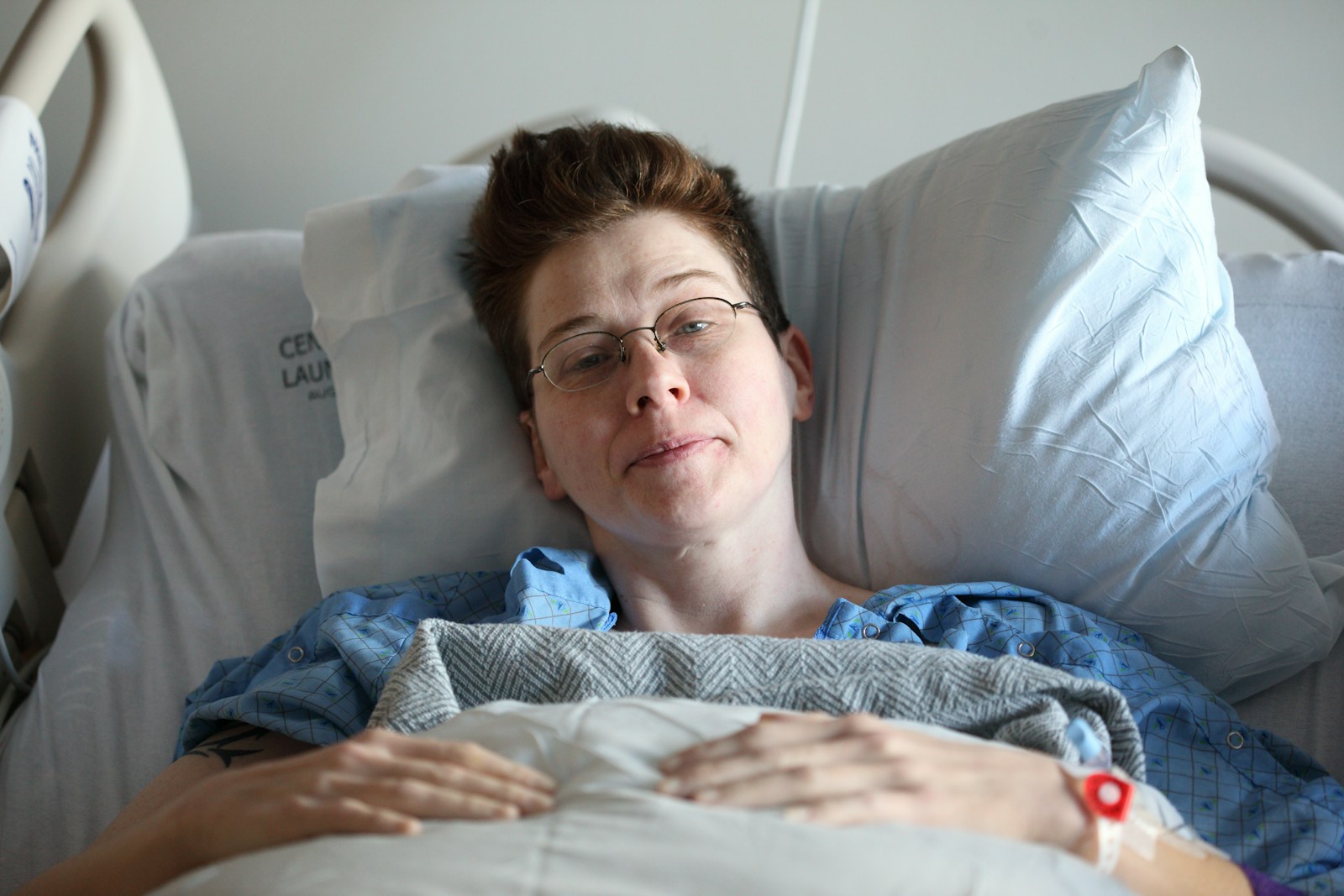
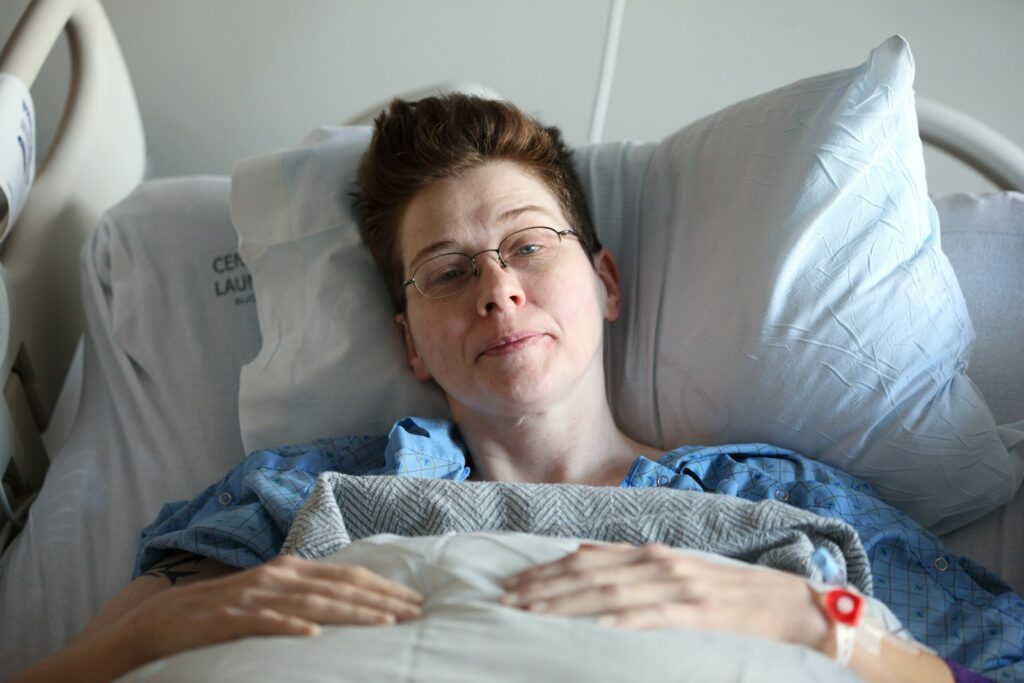
The fever started on a Tuesday night. A pregnant mother of one, who asked not to be identified, assumed she had caught a winter virus. By 4 a.m., she was in a labor and delivery unit, shivering under hospital blankets while nurses tracked both her temperature and her contractions on side-by-side monitors. Her toddler was asleep at her mother’s house across town. Within 12 hours, she had a newborn in her arms and a question she could not shake for weeks: why did her birth feel like something that happened to her rather than something she did?
Her experience is not unusual. According to the Centers for Disease Control and Prevention, roughly 32 percent of all U.S. births in 2023 were cesarean deliveries, a rate the World Health Organization has long said should fall between 10 and 15 percent. Behind that gap lies a pattern that maternal health advocates, midwives, and a growing body of research describe as an “intervention cascade,” where one medical step triggers the next until a surgical birth becomes the likeliest outcome.
How a routine admission can become a cascade
A 2017 Cochrane systematic review found that encouraging laboring people to remain upright and mobile shortened the first stage of labor by roughly an hour and reduced the likelihood of cesarean delivery compared with lying in bed. Yet in many U.S. hospitals, continuous electronic fetal monitoring, which the American College of Obstetricians and Gynecologists notes has a high false-positive rate for detecting fetal distress, effectively tethers patients to the bed from the moment they are admitted.
Once mobility is restricted, labor can slow. When labor slows, synthetic oxytocin (Pitocin) is commonly introduced to strengthen contractions. ACOG acknowledges that Pitocin can cause uterine hyperstimulation, which may affect fetal heart rate patterns and prompt further intervention. An epidural may follow to manage the intensified pain, which can reduce a patient’s ability to change positions or push effectively during the second stage. Each step is defensible in isolation. Taken together, they can funnel a low-risk labor toward an operating room.
Michelle Strader, a certified doula and birth educator based in North Carolina who runs the SOAR Pregnancy and Birth Prep program, says she has watched this sequence play out hundreds of times. “The mom gets put on her back, hooked to an IV, told not to move, and then everyone acts surprised when her body stalls,” Strader said in a March 2026 video on her Instagram account. “The body didn’t fail. The environment failed the body.”
When the system’s clock overrides the body’s
For the mother who arrived with a fever, the cascade moved quickly. Her elevated temperature raised concerns about chorioamnionitis, an intrauterine infection that can endanger both parent and baby. That concern, while clinically reasonable, meant more frequent cervical exams, IV antibiotics, and pressure to deliver within a tighter window. When her dilation plateaued, the conversation shifted from support to urgency.
“Nobody said, ‘Your body can’t do this,’” she recalled. “But every update was about how I wasn’t progressing fast enough. After a while, you start to believe the problem is you.”
Research supports her instinct. A 2019 study published in PLOS ONE found that women who perceived their birth experience as involving a loss of control or autonomy were significantly more likely to report symptoms of post-traumatic stress. The language clinicians use during labor, even when well-intentioned, can shape how a parent processes the birth for months or years afterward.
The compounding weight of postpartum guilt
For parents with more than one child, the aftermath of a difficult birth collides with a second emotional crisis: the feeling of being split in half. The mother now had a newborn who needed to feed every two hours and a two-year-old who could not understand why bedtime stories had stopped or why mom winced when he climbed into her lap.
“I kept thinking, ‘I’m failing both of them at the same time,’” she said. “The baby wasn’t getting my full attention because I was guilty about my toddler, and my toddler wasn’t getting my full attention because I was recovering and nursing around the clock.”
Postpartum mood and anxiety disorders affect roughly one in five birthing parents, according to the Postpartum Support International organization. Yet screening often happens at a single six-week checkup, if it happens at all. A 2022 report from the Commonwealth Fund ranked the United States last among high-income nations for maternal health outcomes, citing fragmented postpartum care as a key factor.
Strader argues that standard hospital birth classes rarely address any of this. “They teach you breathing techniques and when to come to the hospital,” she said. “Nobody teaches you how to protect your birth plan from a cascade of interventions, or how to process it emotionally when things go sideways, or how to manage the guilt of having two kids who both need you and not enough of you to go around.”
Digital tools step into the gap, with caveats
Where institutional support falls short, a growing number of parents are turning to online communities and digital tools to fill the void. Strader’s SOAR program, which she offers through her own app, walks pregnant people through physical, mental, and emotional preparation for labor with the explicit goal of reducing unnecessary interventions. Programs like hers sit alongside a broader ecosystem of birth-prep content on Instagram, TikTok, and YouTube, where doulas and midwives translate clinical evidence into accessible advice for millions of followers.
Some parents are going further, using artificial intelligence chatbots as informal wellness coaches. One mother, who posts under the handle @katieneeson on Instagram, shared in a March 2026 Reel how she used an AI chatbot to build a postpartum meal plan while breastfeeding. She described writing a detailed prompt that included her health conditions, exercise habits, and goal of losing weight without compromising her milk supply. The chatbot generated a framework she then customized based on what she actually eats, producing a plan of three meals, three snacks, and two lattes a day that she could adjust week to week.
“I thought I couldn’t lose weight until I stopped nursing,” she said in the video. “I almost bought every testimonial program on Instagram before I just decided to ask AI instead.”
Her approach resonated with thousands of commenters, many of whom said they had never considered using a chatbot for something so personal. But registered dietitians urge caution. The Academy of Nutrition and Dietetics recommends that breastfeeding parents consume at least 1,800 calories per day and notes that restrictive dieting can reduce milk supply and deplete nutrients critical for postpartum recovery. AI chatbots are not licensed providers, cannot assess bloodwork or individual medical history in real time, and may generate advice that sounds authoritative but lacks clinical validation.
“Using AI as a brainstorming tool is one thing,” said Dr. Sarah Krieger, a registered dietitian and spokesperson for the Academy, in previous public comments on AI nutrition tools. “Using it as your sole source of medical guidance is risky, especially when you’re feeding another human being with your body.”
Reclaiming the narrative
What connects these stories, the mother who felt her birth was taken from her, the doula trying to arm parents with better information, the breastfeeding mom who turned to a chatbot because she could not afford a dietitian, is a shared frustration with systems that were supposed to help but often leave parents to figure things out alone.
The mother from that Tuesday night eventually did get help. A postpartum therapist, found through a recommendation in an online parenting group, helped her separate what was a medical necessity from what was a systemic failure, and to stop blaming her body for outcomes shaped by protocol. She still has hard days. Her toddler still melts down at inconvenient moments. The baby still wakes at 2 a.m.
But she no longer whispers that she is failing both kids. She says it out loud now, to other parents, in group chats and comment sections, because she learned that the sentence does not have to end with a period. It can end with a question: what would it look like if the system actually supported us?
More from Vinyl and Velvet:

Leave a Reply