

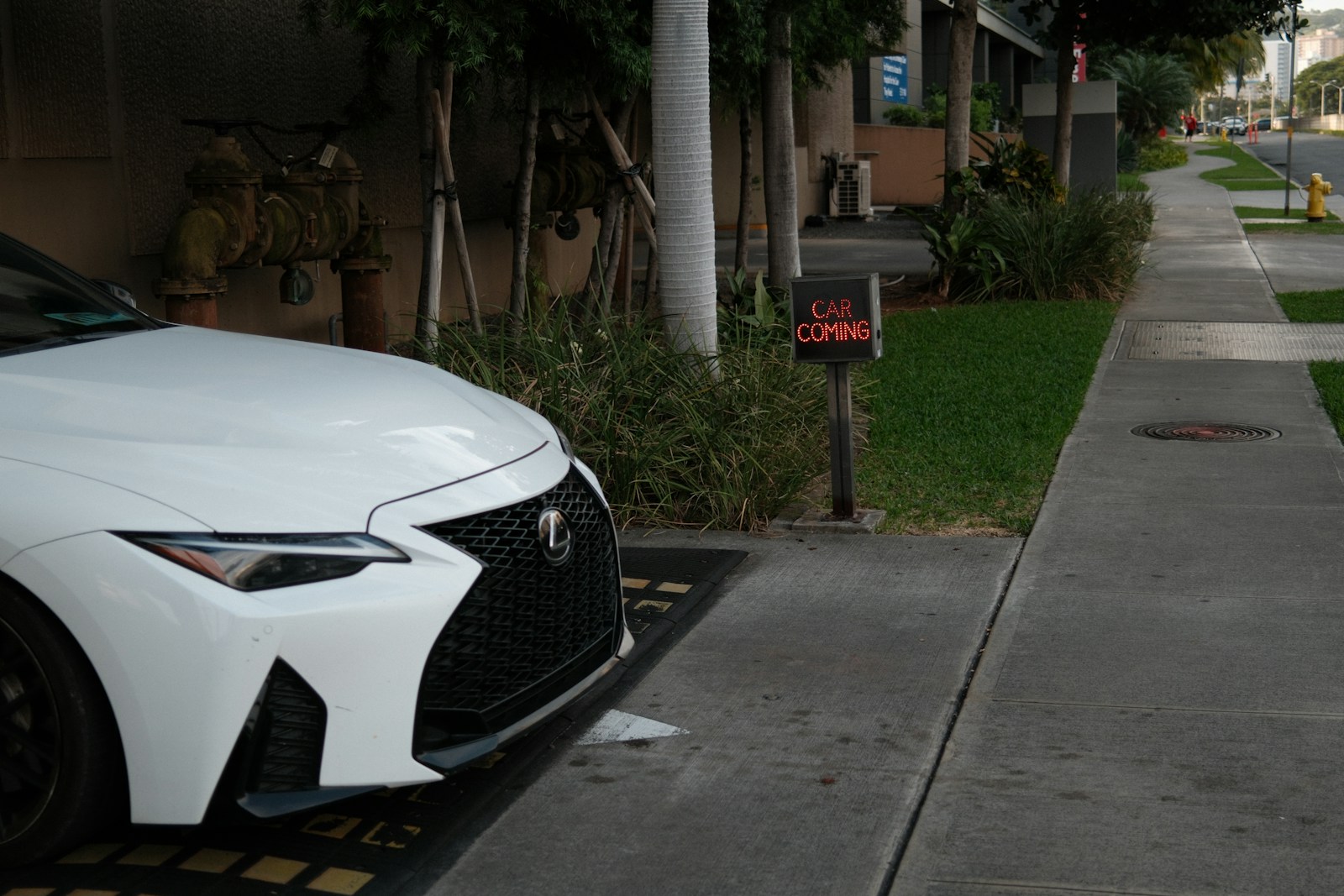
Picture this: a sunny Saturday morning, the kind where you can smell the fresh coffee brewing and hear the cheerful chirping of birds. You’re gearing up for a leisurely stroll, maybe to pick up some pastries or just to soak in the lovely day. But wait—what’s this? You’re suddenly faced with a mini obstacle course because your neighbor has decided that the sidewalk is the perfect place to park their car. You sidestep the vehicle, fuming a little, and think to yourself, “Why is this okay?”
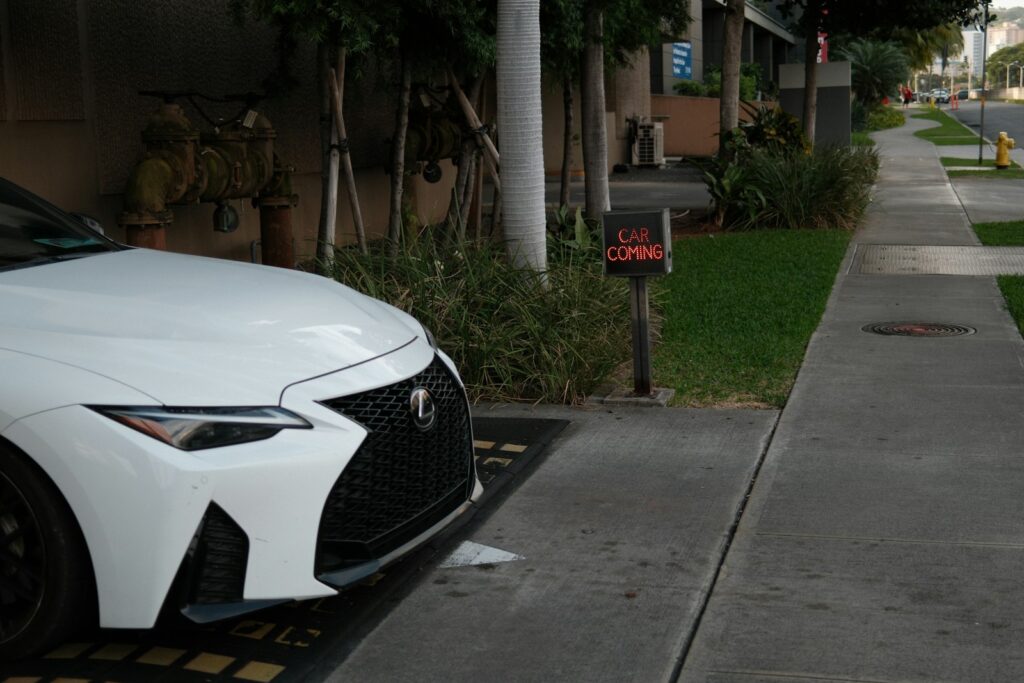
When Parking Rules Go Awry
So, here’s the deal: sidewalks are made for walking. It’s a pretty straightforward concept, right? But when my neighbor started parking his car across the sidewalk, it felt like a personal affront to my right to stroll freely. I decided to bring it up casually. “Hey, have you thought about parking a little further down?” I asked, hoping for some neighborly understanding. Instead, I got a response that was both baffling and infuriating: “People can walk around.”
Now, I don’t know about you, but that sounds a bit like saying, “Oh, just leap over the Grand Canyon; it’s not that far!” Sure, I could walk around, but what about folks with strollers or those who might have mobility challenges? It’s one thing to be a little oblivious, but it’s another to dismiss the needs of others in your community. I left that conversation feeling a bit defeated but also determined to find a solution.
The Dilemma: Neighborly Relations vs. City Codes
After some contemplation—and a few more encounters with his parked car—I decided to take a step I was quite hesitant about. I called the city. Now, I know what you’re thinking: “You snitched!” And maybe I did. But let’s be real for a moment—sidewalks are there for a reason. They’re not just decorative concrete slabs. They keep pedestrians safe and encourage people to get out and enjoy their neighborhoods. Plus, I wasn’t the only one affected by this.
The city folks were pretty understanding. They explained that parking on the sidewalk isn’t just inconsiderate; it can actually be against local codes. Who knew I was a code enforcer in the making? They promised to send someone out to take a look. I felt a bit of guilt creep in, like I was turning my neighbor into the parking police, but I reminded myself that this was about making our community safer for everyone.
The Fallout: A Neighborly Fallout
Fast forward a few days, and I hear a knock on my door. It’s my neighbor—and he looks furious. “Did you report me?” he practically shouted, with a tone that could curdle milk. I was taken aback. “Well, yes, I did,” I admitted, trying to stay calm. “But it’s not just about you. It’s about everyone who uses the sidewalk.” His face turned a shade of red that would make a tomato blush. “People can walk around!” he repeated, but this time it was less of an argument and more of a frustrated exclamation.
At this point, I could see we were at an impasse. He was clearly upset, and I felt a little bad. It’s tough to navigate these neighborly waters. I get it; nobody likes being told they’re doing something wrong. But isn’t that part of living close to others? The delicate dance of sharing space and respecting boundaries? I offered to chat over coffee to ease the tension, but that didn’t go over well. “I don’t need your coffee!” he shot back before storming off.
Finding a Way Forward
Now, I’m left reflecting on this little saga. It’s easy to see why people can get defensive about their parking habits—cars are often seen as extensions of ourselves, our personal space. But it’s also a reminder that we’re all part of a larger community. When we choose to ignore the rules, we impact those around us.
I think the lesson here is about communication. Maybe next time I’ll try a different approach. Instead of jumping straight to reporting, I could find a way to express how his actions affect not only me but others too. Perhaps a little humor could lighten the mood: “Hey, I know you love your wheels, but could we keep the sidewalk wheel-free?”
More from Vinyl and Velvet:

Leave a Reply