

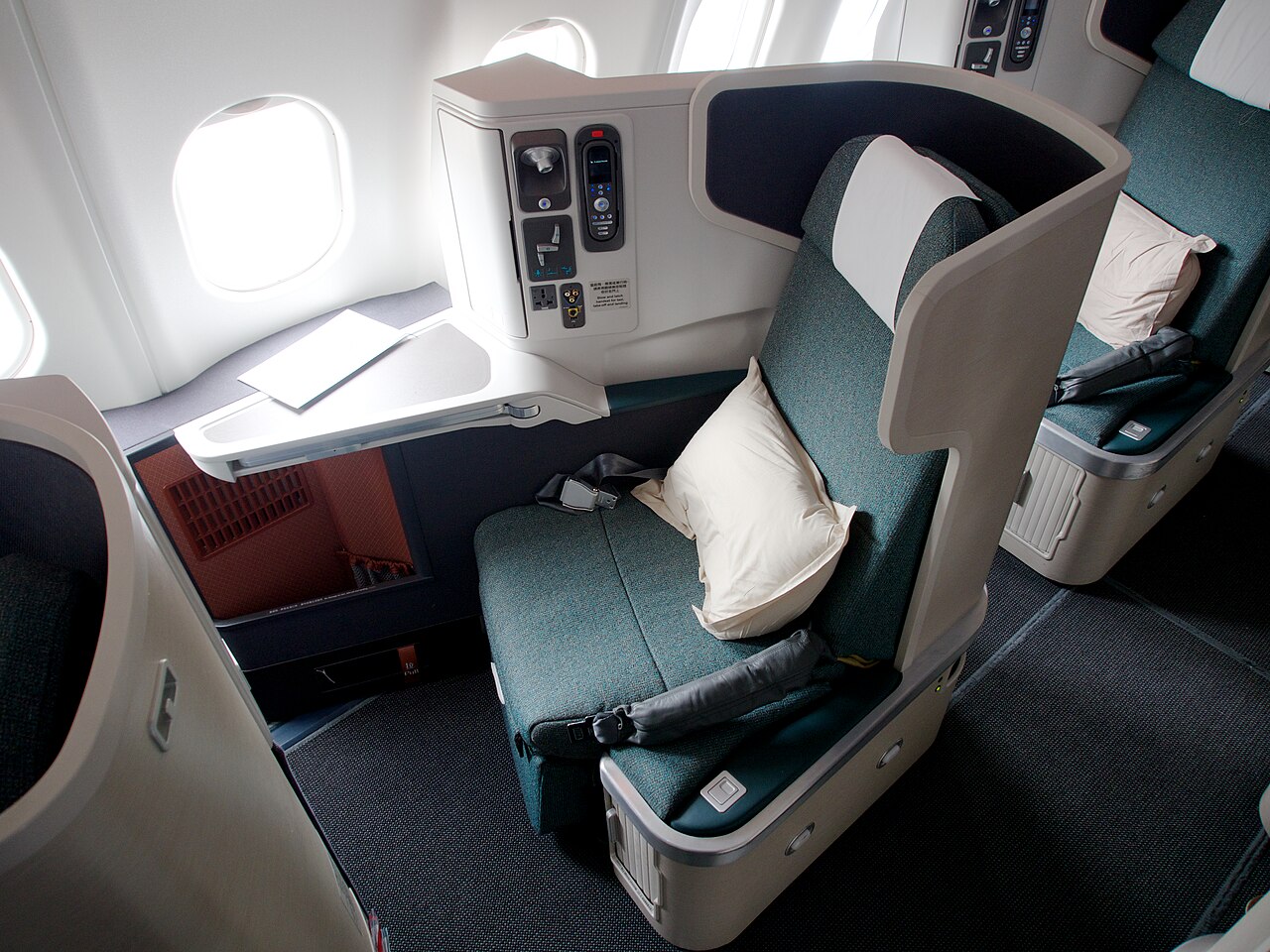
You’ll learn a simple, direct question to ask airline staff that can often free up the seat beside you without paying for a second ticket. Ask during boarding whether there are two adjacent empty seats and politely request to be moved—many flight attendants will help hold or reassign that space when possible.
She explains why timing, politeness, and checking airline extra-seat policies increase your chances, and the article will walk through what to say, when to ask, and realistic limits of the approach. The next sections cover the step-by-step tactic, relevant airline rules, and how the plus-size travel community presses for clearer, fairer policies.
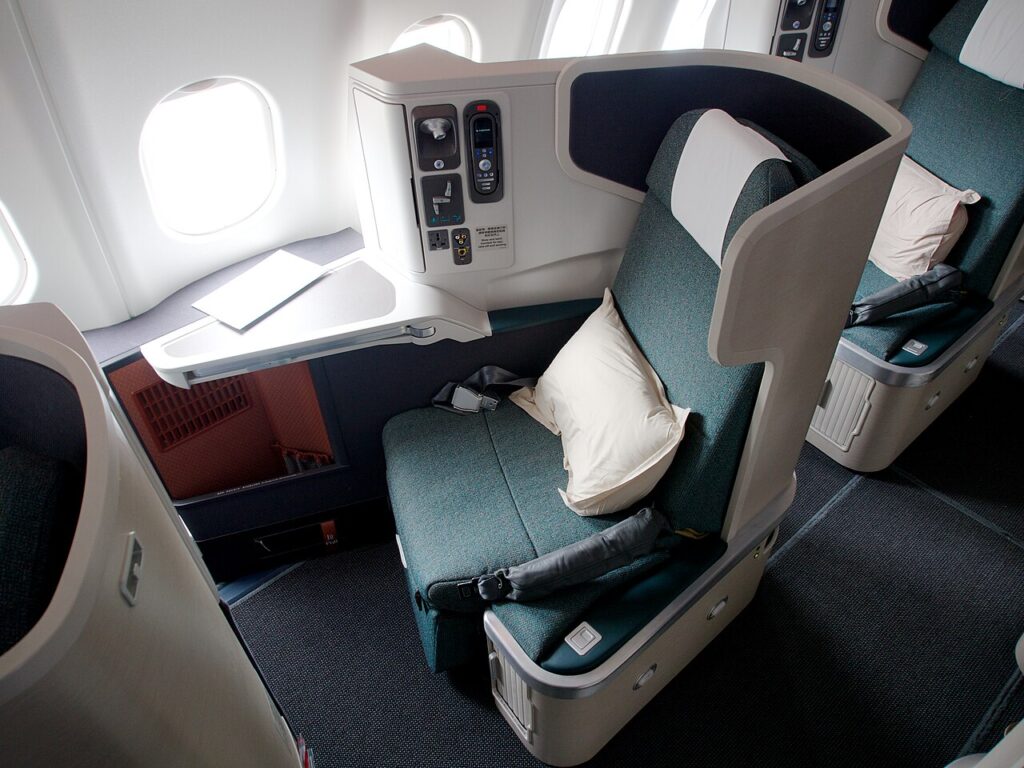
How Plus-Size Influencers Secure an Extra Seat Without Paying Double
Kirsty Leanne and other plus-size travel creators describe practical, low-drama tactics to get more space on flights. They focus on timing, clear requests to crew, and checking airline policies before departure.
Kirsty Leanne’s Viral Airplane Seat Hack
Kirsty Leanne, a plus-size travel influencer active on TikTok and Instagram, tells followers she often secures an adjacent empty seat by asking cabin crew during boarding whether any two-seat clusters remain free.
She films the interaction and shows examples from flights where attendants either held a seat or suggested waiting until after takeoff when no-shows become obvious.
Her approach combines persistence and politeness: arrive early, ask at check-in, and repeat the request at the gate and while boarding.
Kirsty also recommends reviewing an airline’s “extra seat” policy beforehand and using her Plus Size Travel Too service for route-specific tips.
Step-by-Step Guide: What to Ask at the Airport
Check the airline website for an “extra seat” or “passenger of size” policy before you go. Note phone numbers and any wording about booking a second ticket or requesting assistance.
At check-in, state you may need extra space and ask if the agent can flag your booking or move you to a row with an empty seat.
At boarding, ask the flight attendant directly: “Are there any two adjacent seats free on this row?” If an attendant can’t answer immediately, politely request they keep an eye out and let you know after takeoff.
If reassigned seating becomes possible, confirm seatbelt extension availability and whether crew prefer you to move only after the cabin is secured.
Challenges of Booking a Second Seat
Airlines often make buying a second seat difficult: seat inventories, pricing algorithms, and airline policies can block adjacent-seat bookings.
Some carriers require contacting special services or paying full fare for a second ticket, which many find cost-prohibitive.
Crew have operational limits; a flight can appear full even with empty seats due to checked manifests and standby passengers.
Plus-size flyers also face inconsistent treatment across carriers and routes, and seatbelt length or armrest design may still limit comfort even with two seats.
When the Extra Seat Trick Works Best
This tactic works best on off-peak flights, midweek routes, and flights with higher no-show rates. Early boarding and connections with flexible seat maps increase the chance of securing an empty adjacent seat.
Flights that allow gate or check-in changes to seating also help; low-cost carriers with rigid inventory and wide-body flights with many middle seats can be less flexible.
Using social media accounts like YouTube or Facebook, influencers often share route-specific examples where the strategy succeeded, helping followers pick flights and times with higher odds.
Travel Tips, Policies, and Community Action for Plus-Size Flyers
Airlines vary widely in how they handle passengers who need more space, and travelers have found practical workarounds while pushing for fairer rules. Policies, advocacy, and everyday tactics all affect whether a flight feels accessible and dignified.
Understanding Customer-of-Size Policies
Many carriers use a formal or informal “customer-of-size” approach that asks passengers who cannot fit between armrests to buy an extra seat. Southwest’s updated policy requires purchasing a second seat if one seat’s armrests do not contain the passenger; refunds have limits and conditions, so reading the airline’s terms matters before booking (see Southwest’s policy for details).
Passengers should check airline websites for exact language: look for refund windows, whether both seats must be in the same fare class, and conditions tied to empty adjacent seats. At booking, call the airline and request policy clarification in writing, or take screenshots of policy pages. Documenting communications—agent name, time, and confirmation numbers—helps if a refund or complaint becomes necessary.
Community Movements and Advocacy
Plus-size travelers have organized petitions and campaigns calling for “one person, one fare” and larger seating options. Influencers and advocates have filed petitions on platforms such as Change.org and launched awareness efforts; some started companies to make travel more accessible, for example businesses focused on plus-size group trips and resources.
These campaigns push regulators and airlines to standardize accommodations and transparent refund rules. Joining or sharing petitions amplifies pressure; travelers can also submit formal complaints to aviation regulators when policies feel discriminatory. Community reporting of incidents builds the evidence base that advocacy groups use to lobby for concrete policy change.
Practical Tips for Airline Comfort
When booking, search seat maps and choose aisle seats or bulkhead rows for extra width where possible. If an airline’s website hides extra-seat options, call ahead to request seat-blocking or to ask whether the carrier allows proactive purchase of an adjacent seat. Boarding early helps; asking flight attendants if adjacent seats are free can secure space once boarding starts.
Bring a discreet extender or seatbelt replacement only if airline rules permit it; otherwise, ask for a seatbelt extender at the gate. Pack lightweight travel aids—compression layers and a small cushion—to improve comfort without obstructing neighbors. If buying a second seat, save receipts and request written confirmation of the reason and terms in case a post-flight refund policy applies.
Navigating Airline Responses and Criticism
Airlines sometimes respond defensively to advocacy, citing safety, revenue, or full-flight constraints. Some travelers report staff noting plus-size customers in reservation systems; others praise carriers with clearer policies. When an airline denies accommodation, passengers should calmly request escalation, record agent details, and consider filing a complaint with consumer protection agencies.
Criticism from the public can be person-first or polarizing; staying focused on documented policy changes and civil advocacy tends to be more effective. Influencers have used social media to highlight patterns, which can prompt faster institutional responses than individual complaints alone. Combining individual documentation with community action increases the chance of policy review and more consistent treatment across carriers.
More from Vinyl and Velvet:

Leave a Reply