

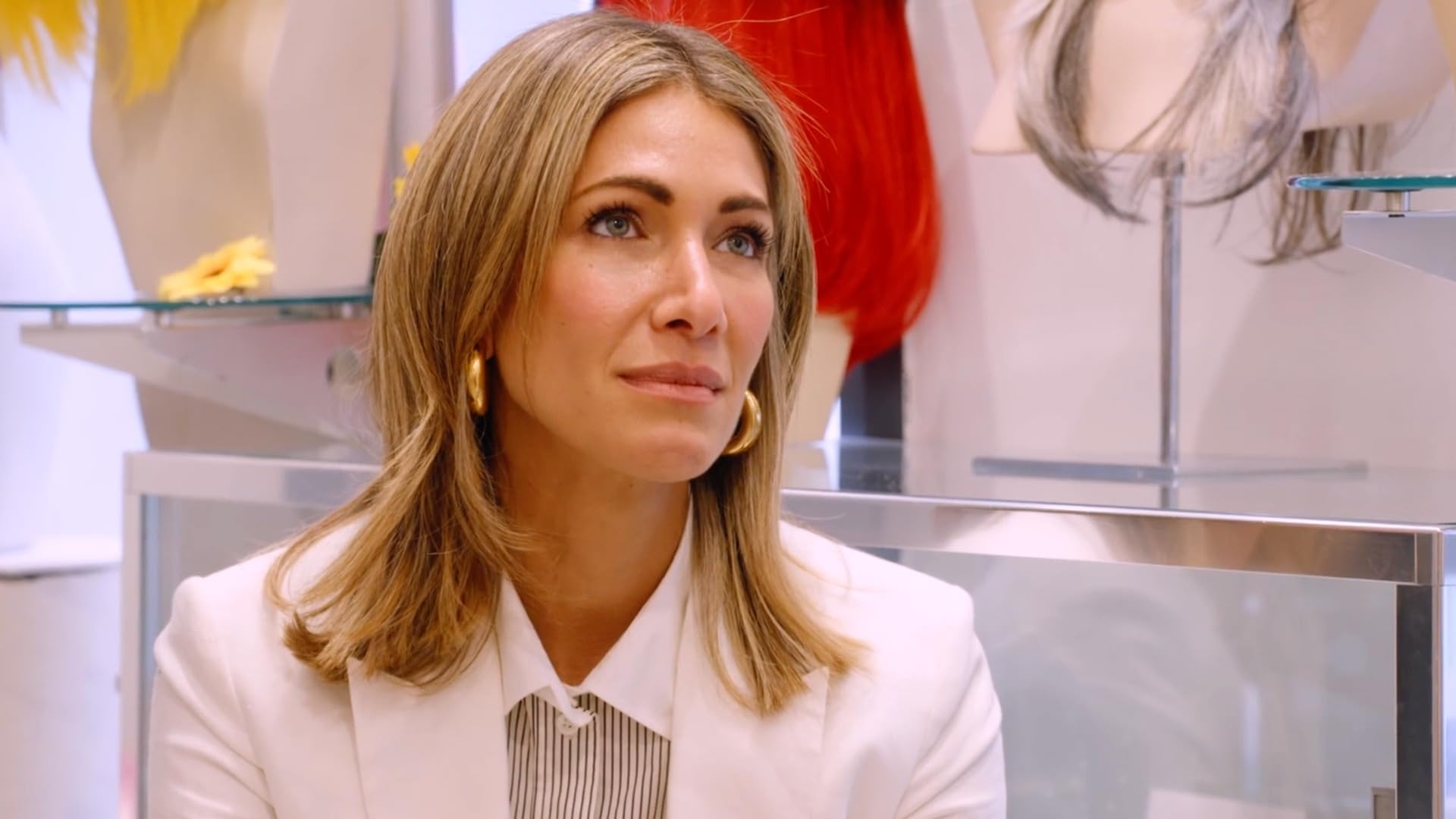
You might have seen the clip that set off the firestorm: Erin Lichy joked about skipping birth control to speed up family planning, and social media quickly labeled the comment “dangerous.” If you want a clear account of what happened, why people reacted so strongly, and what this says about marriage and parenting advice from public figures, this article breaks it down.
She responds to critics in her Instagram Stories, defending the remark as a joke while critics point to consent and ethical concerns. The next sections unpack the exact comments, the backlash, and how influencer responsibility shapes conversations about family decisions.
Erin Lichy Faces Backlash: The Controversy Explained
Erin Lichy drew criticism after offering specific marriage and parenting tips that many viewers found alarming. The controversy centers on a few public comments and social posts that sparked strong pushback online.
What Erin Lichy Said About Marriage and Parenting
Erin Lichy advised couples to prioritize traditional gender roles in household decision-making, suggesting one partner should maintain final say on financial and parenting choices. She framed this as a way to reduce conflict and preserve “family stability,” citing personal anecdotes rather than empirical research. Lichy also recommended limiting children’s exposure to certain media and social activities without mentioning alternative strategies or professional guidance. Her remarks included telling parents to enforce strict behavioral rules and to use shaming language selectively to correct children’s behavior.
Several viewers flagged the tone and language used; critics noted she presented these suggestions as broadly applicable rather than context-dependent. The lack of nuance about consent, mental health, or cultural differences heightened concern among parenting experts and fans.
Fans’ Reactions to Erin Lichy’s Comments
Viewers reacted quickly on social platforms, calling the advice “irresponsible” and “dangerous.” Many comments came from mothers and therapists who shared personal stories where rigid rules or shaming had harmed parent-child relationships. Threads criticizing Lichy gained traction, with users reposting clips and tagging parenting organizations to push for clearer, evidence-based guidance.
Other fans defended Lichy as offering one family’s approach, noting that people can choose what fits them. Still, the volume of negative responses signaled broad discomfort, especially from users who felt the recommendations ignored mental health risks and gender-equality concerns.
Why Erin Lichy’s Advice Was Labeled ‘Dangerous’
Experts and critics highlighted three main issues: endorsing unilateral decision-making in family affairs; recommending shaming as a behavioral tool; and presenting anecdotal fixes as universal solutions. Unilateral control in relationships can enable power imbalances that affect safety and autonomy, according to relationship counselors. Shaming children can damage self-esteem and increase anxiety, clinicians warn.
The problem intensified because Lichy did not cite professional sources or alternative approaches such as family therapy, positive discipline, or co-parenting strategies. That absence made her statements read as prescriptive rules rather than personal opinion, which amplified fears that less informed viewers might adopt harmful practices.
Impact on Erin Lichy’s Public Image
Public sentiment shifted rapidly from curiosity to skepticism. Media coverage and social reposts framed Lichy as out of step with mainstream parenting advice, affecting follower engagement and prompting calls for clearer disclaimers on her platforms. Some brands and collaborators reportedly paused outreach while monitoring the response.
Lichy’s supporters continue to defend her intent, but the controversy has prompted calls for her to clarify her views and to consult with professionals before giving prescriptive advice. The incident shows how quickly a few comments can reshape a public figure’s reputation when they touch on sensitive family and gender topics.
The Ongoing Discussion: Parenting, Marriage, and Influencer Responsibility
Erin Lichy’s viral clip and on-screen marriage scenes have sparked debates about parenting technique and marital transparency. Fans point to specific actions — how she held her newborn in the TikTok and the couple’s tense exchanges on RHONY — as reasons for concern.
The Debate Over Celebrity Advice
Critics say public figures carry extra weight when they model parenting choices. In Erin’s case, viewers flagged the TikTok where she held her infant while making a cocktail and questioned whether that showed adequate neck support. They tie that clip to broader worries about normalizing risky moments for clicks.
Supporters argue that snippets don’t capture context — Lichy defended the video as less alarming in real life — and stress that parents make many safe decisions off-camera. The disagreement centers on responsibility: should celebrities always frame parenting posts with explicit safety cues, or can everyday, imperfect moments be shared without instruction?
How Social Media Amplifies Fan Criticism
Platforms magnify small incidents into large conversations quickly. One short video or a filmed argument on a reality show can be replayed, clipped, and captioned to emphasize the most controversial moments, increasing emotional responses.
Algorithms favor engagement, so posts that spark outrage or worry spread faster. That feedback loop pushes fans to demand accountability, and it pressures networks and brands to respond. In Erin’s situation, online backlash led outlets to report and interview, which fed further scrutiny and kept the discussion active.
More from Vinyl and Velvet:

Leave a Reply