

You likely remember him as Lewis Skolnick or as the warm-screen dad on Lizzie McGuire, and now Robert Carradine has died at 71. He had a long career that blended iconic comic turns, steady character work and a public struggle with bipolar disorder that shaped his later life.
This piece walks through his career highlights, personal challenges, and the ways colleagues and fans have responded, so you can grasp both his on-screen legacy and the human story behind it. Expect concise timelines, notable roles, and the context that explains why his death has resonated across generations of viewers.
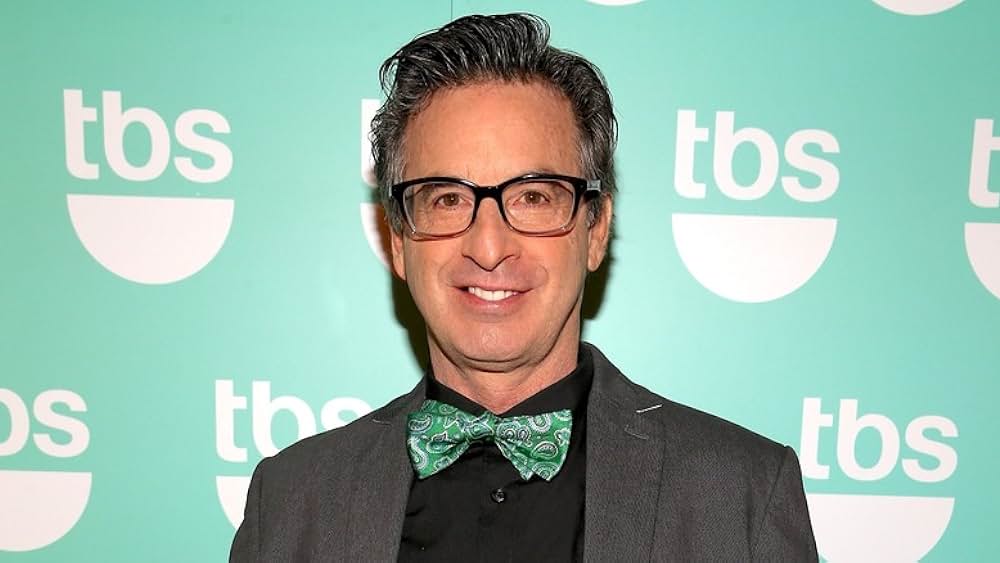
Robert Carradine’s Life, Career, and Legacy
Robert Carradine came from a multi-generational acting family, made his biggest mark as Lewis Skolnick in a landmark 1980s comedy, and later reached a new audience as the affable dad on a Disney hit. He balanced dramatic and comedic work across five decades while wrestling publicly with bipolar disorder.
Early Life and the Carradine Family
Born Robert Reed Carradine on March 24, 1954, he grew up in Los Angeles as part of the Carradine acting dynasty. His father, John Carradine, was a prolific character actor; half-brothers David and Keith Carradine also built high-profile careers in film and television.
He appeared with family members in projects like The Long Riders, which united multiple Carradines onscreen. That family network helped his early film opportunities and shaped his career choices. Personal life included marriages and children, among them Marika Reed Carradine and actors Ever Carradine and Ian Alexander Carradine, who continued the family presence in entertainment.
Breakthrough with Revenge of the Nerds
Carradine reached mainstream fame as Lewis Skolnick in the 1984 comedy Revenge of the Nerds, playing a brainy, awkward college student who becomes a campus leader. The film became a touchstone of 1980s pop culture and cemented Lewis as his signature role.
The Nerds films spawned sequels and kept Carradine associated with the character for years. Co-stars like Curtis Armstrong and the movie’s comic tone helped the film remain a frequent cultural reference. That role opened steady work but also tied him to a specific comic persona in public memory.
Television Career and Lizzie McGuire
Carradine expanded into television with diverse guest spots before landing a widely recognized recurring role as Sam McGuire, the well-meaning father on Disney’s Lizzie McGuire. The series introduced him to a younger generation and paired him with Hilary Duff at the height of her early stardom.
His portrayal emphasized warmth and occasional goofiness, which contrasted with some of his earlier, grittier film work. Television roles and guest appearances on shows including animation and sketch projects kept him visible to family audiences and pop-culture viewers alike.
Other Notable Film and TV Roles
Beyond Nerds and Lizzie McGuire, Carradine scored roles in respected films such as Coming Home (directed by Hal Ashby) and The Big Red One (Samuel Fuller), showing range in drama and ensemble pieces. He also featured in The Long Riders, a western directed by Walter Hill, and appeared in earlier work like The Cowboys.
He took parts in genre and cult projects — from Paul Bartel’s Cannonball-style fare to voice and recurring bits in animation and comedy outlets such as Robot Chicken. The family ties connect him indirectly to projects like Kung Fu (David) and Quentin Tarantino films through David’s work in Kill Bill and Django Unchained, underscoring the Carradines’ broad imprint on film and television history.
Carradine’s Struggles, Tributes, and Impact
Robert Carradine lived with a long, visible struggle that affected his work and family life, and his death prompted public tributes from relatives and colleagues. Friends and kin described both the personal costs of his illness and the ways his roles left a mark on television and film.
Living with Bipolar Disorder
Carradine’s family said he battled bipolar disorder for nearly two decades, a condition that shaped his routine, relationships, and professional reliability. Reports note episodes that grew worse after traumatic events in his life, and legal and medical records and statements from relatives described periods of deep depression and impulsive behavior.
He experienced highly publicized crises, including a 2015 car crash and later concerns about his safety that led his then-wife, Edith Mani, to request control of firearms. Carradine’s struggles culminated in his death, which the family reported as suicide, and which they framed as connected to his long-running mental health fight. Coverage of his illness has renewed conversations about psychiatric care and stigma for performers.
Family, Friends, and Co-Star Tributes
Family members publicly mourned Carradine, with brother and actor Keith Carradine speaking for the family and offering statements about his condition and passing. Daughters Ever Carradine and Marika Reed Carradine, son Ian Alexander Carradine, and other relatives were named in accounts of the family’s request for privacy as they grieved.
Colleagues from projects like Lizzie McGuire and Revenge of the Nerds posted condolences and memories online; Hilary Duff and other co-stars highlighted his warmth on set and his professionalism. Tributes emphasized his humor, mentorship to younger actors, and decades-long presence in film and TV, while many also urged compassion for those with mental illness.
Lasting Influence in Pop Culture
Carradine’s portrayal of Lewis Skolnick in Revenge of the Nerds became an enduring touchstone in 1980s comedy, influencing how “nerd” culture appeared on screen and inspiring later media that celebrated outsider characters. He also reached a new generation as Sam McPherson on Lizzie McGuire, connecting him with young viewers and cementing his multi‑generational recognition.
His family name—part of the broader Carradine acting dynasty—kept him linked to a theatrical lineage that includes Keith and the late David Carradine, a connection that shaped public interest in his life and career. Studios, streaming platforms, and fan communities continue to reference his performances, ensuring that his roles remain part of discussions about genre comedy and television family fare.
More from Vinyl and Velvet:

Leave a Reply