

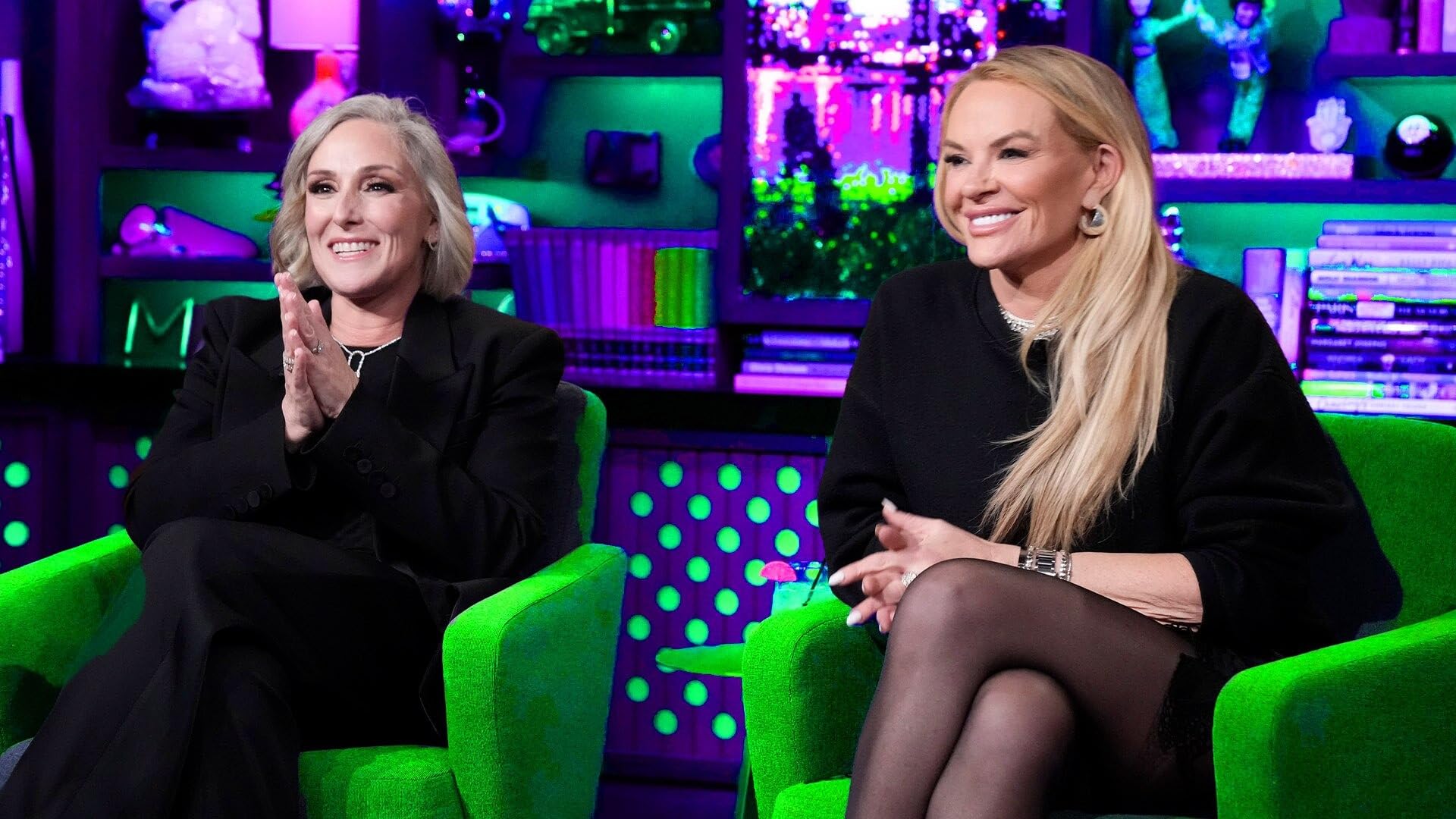
You’ve probably spotted the clips and questioned whether a ’90s icon is quietly plotting a comeback. Fans sparked the rumor after Ricki Lake began reposting memorable moments from her original talk show and commenting on them, stirring excitement about a possible revival.
Ricki hasn’t confirmed a new daytime series, but her recent social posts and interviews have been enough to convince many that a return to the format is at least on the table. Expect this article to unpack why fans think a revival is realistic, look at how she’s changed since her talk-show heyday, and weigh what a modern Ricki Lake show might look like.
Why Fans Believe Ricki Lake Is Eyeing a 90s Talk Show Revival
Fans point to a string of recent posts, public appearances, and comments that echo elements of Ricki Lake’s original daytime format, her own reflections about hosting, and a broader appetite for 90s-style TV. These signals combine social media clues, format parallels, on-record remarks, and cultural momentum to fuel the comeback chatter.
Recent Social Media Clues and Public Sightings
Ricki Lake’s Instagram activity prompted much of the buzz. She has been reposting archival clips from the 1990s show and filming reaction-style videos where she comments on guests’ behavior, which mirrors the original show’s reactive hosting style. Those clips include a 1995 episode where a guest argued about controlling relationships and another with a shoplifting anecdote—posts that explicitly reference The Ricki Lake Show-era moments.
Public sightings and interviews have added fuel. Lake has spoken publicly about rebuilding her Malibu home after the 2023 wildfires and has appeared at industry events with a refreshed look, prompting fans to speculate she’s gearing up for a new, visible project. The pattern—archival posts + increased public visibility—matches common soft-launch behavior used by hosts teasing new shows.
Comparisons to the Original The Ricki Lake Show
Fans notice format parallels between the archival clips and today’s talk landscape. The Ricki Lake Show ran from 1993 to 2004 and specialized in emotionally charged, audience-driven segments featuring everyday people. Lake’s recent social content highlights that same mix of confrontation and empathy, reminding viewers of her role as moderator and cultural touchpoint.
Comparisons also hinge on tone and cast: Lake’s approach then was informal and party-like, which many argue could stand out amid polished modern morning shows. Observers point to the show’s legacy—over 2,000 episodes and an era-defining presence—to explain why her revisiting that specific format reads like more than nostalgia; it suggests a tested template that could be retooled for today’s platforms.
Ricki’s Thoughts on Daytime Talk Show Landscape
Ricki Lake has publicly reflected on her early hosting years and the energy of those New York-based productions. She has not ruled out returning to daytime TV in prior interviews, and she recently spoke about loving the “electricity” of the original show’s live format. Those comments feed speculation because they indicate personal interest rather than mere nostalgia.
At the same time, Lake acknowledges how talk shows have evolved. She has discussed differences in audience expectations and production standards, implying she understands the adjustments a revival would need—more context, updated topics, and digital engagement. Fans interpret that combination—enthusiasm plus realism—as a sign she could mount a modern revival that respects the old format while adapting to current norms.
How 90s Nostalgia is Fueling Comeback Rumors
Cultural demand for 90s revivals powers much of the chatter. Streaming and network executives have greenlit numerous 90s reboots, and viewers now seek familiar brands with updated twists. Ricki Lake’s name carries strong recognition among Gen X and older millennials, who frame her as a talk show legend and readily push for return projects.
Social algorithms amplify this dynamic. Fans commenting on archived clips generate trending moments that producers monitor for viable concepts. Combined with Lake’s public profile—post-wildfire updates, cosmetic changes, and media appearances—the nostalgia cycle creates a practical pathway: proven IP + demonstrable audience interest = a plausible revival pitch.
Ricki Lake’s Evolution: From 90s TV Star to Inspiring Advocate
Ricki Lake moved from tabloid-style daytime TV into projects that reflect her values: reproductive choice, birth education, body acceptance, and conversations about aging and wellness. Her career choices and public disclosures show a pattern of reinvention and steady advocacy.
Life and Career After The Ricki Lake Show
After The Ricki Lake Show ended, she shifted into producing and directing work that aligned with causes she cared about. She co-directed and produced The Business of Being Born, a 2008 documentary that critiques U.S. maternity care and advocates for midwifery and informed childbirth choices. That film positioned her as a public advocate for birth rights rather than just a former talk-show host.
She also took selective acting roles and media appearances instead of daily television. Lake returned to daytime TV for a 2012 relaunched Ricki Lake talk show that lasted two seasons, then prioritized projects with more mission-driven aims. Those moves helped reposition her reputation from shock-oriented host to thoughtful commentator on family and health issues.
Podcasting, Documentaries, and Wellness Initiatives
Lake embraced audio and documentary storytelling to reach niche audiences. She launched podcast episodes and appeared on others discussing birth, parenting, and mental health, using long-form conversations to dig into personal experience and policy.
Documentary work like The Business of Being Born and her involvement in films such as Weed the People show she favors topics that intersect health, policy, and stigma. She partners with experts and activists to highlight alternatives to mainstream medical narratives and to normalize discussion about wellness, including mental-health challenges tied to parenting and midlife transitions.
Personal Transformations: Health, Body Image, and Facelift
Lake has been candid about body image and weight across decades, discussing dieting strategies such as intermittent fasting at times and the emotional toll of public scrutiny. She emphasizes mental-health impacts of fame and motherhood and connects them to how she manages perimenopause symptoms and weight shifts.
In recent years she acknowledged cosmetic procedures; she has spoken about getting a facelift to address aging in a way that felt authentic to her. Her messaging blends practical wellness—sleep, movement, nutrition—with acceptance, making clear these choices are personal and aimed at improving confidence and daily functioning rather than chasing youth.
The Lasting Influence of Hairspray and Tracy Turnblad
Ricki Lake’s role as Tracy Turnblad in John Waters’ Hairspray remains a career-defining moment that continues to shape her public identity. The film’s themes of body positivity and social change align with Lake’s later advocacy around body image and inclusion.
She leverages that legacy in interviews and appearances to discuss representation, and the role arts play in shifting cultural norms. Hairspray’s ongoing cultural life gives her a platform to remind audiences that entertainment can fuel social conversations about acceptance, race, and size diversity.
More from Vinyl and Velvet:

Leave a Reply