

You feel the urgency the moment you learn local investigators may be nearing a breaking point in the Nancy Guthrie case. Tension between agencies, limits on personnel and lab capacity, and public pressure have pushed the probe into unfamiliar territory, and that strain could hand the investigation to the FBI — bringing federal resources, forensic capacity, and broader jurisdictional tools into play.
If federal agents step in, they could centralize evidence processing, expand digital and cross-jurisdictional inquiries, and sustain a longer-term investigative effort that local offices may struggle to maintain. That shift could change how leads are pursued, how information is shared, and how the search for answers proceeds.
You’ll follow how local constraints, key evidence developments, and interagency dynamics make that transition more likely, and what it would mean for the direction of the investigation and for accountability in a high-profile missing-person case.
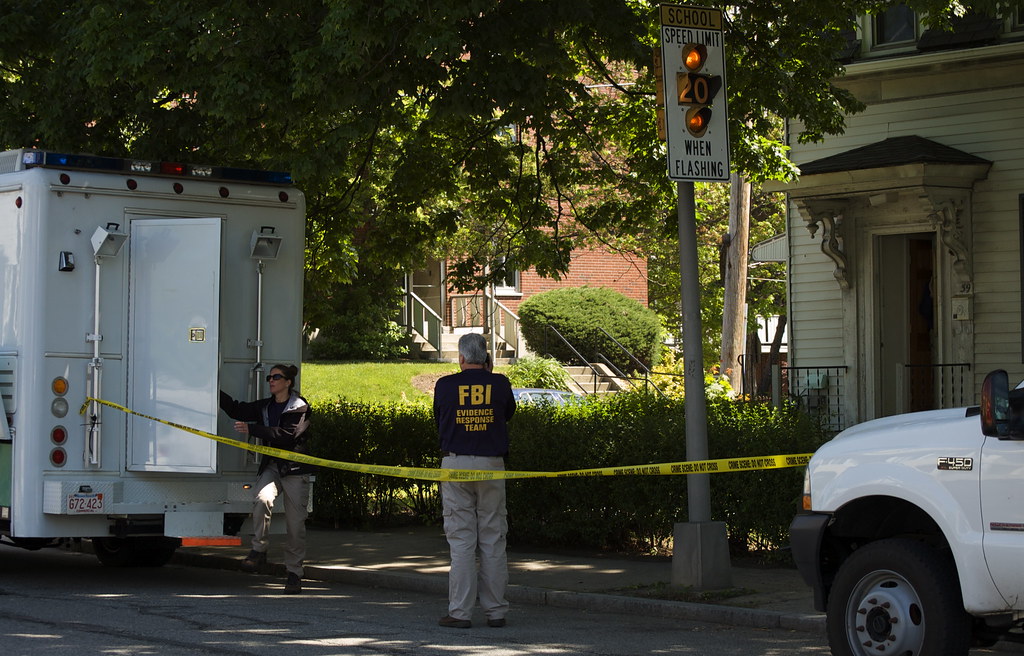
Why the FBI Could Take Over the Nancy Guthrie Investigation
Local investigators face mounting operational limits, strained personnel, and high public scrutiny that complicate evidence handling and cross-border leads. Those pressures, combined with disputed access to key items and the need for specialized forensic and interstate coordination, explain why federal involvement is likely.
Current Status of the Investigation
Investigators continue to treat Nancy Guthrie’s disappearance as an active, complex criminal investigation. Authorities have cleared family members as suspects and are following leads that include items found near the scene and potential movements across state and international lines.
The FBI has been in contact with Mexican authorities about possible cross-border angles, reflecting the case’s broader geographic implications. Forensic testing is ongoing; officials are awaiting DNA results from a glove recovered near the scene that could be pivotal to identifying contributors or ruling out suspects.
Media attention has been intense since the disappearance, increasing pressure on local agencies to produce results quickly. That combination of forensic work, international inquiries, and public scrutiny raises practical reasons for federal agents to assume a lead or support role.
Challenges Facing Pima County Sheriff’s Department
Pima County must manage a high-profile case while working with limited local forensic capacity and stretched personnel resources. The sheriff’s office has handled initial searches, interviews, and evidence collection, but advanced lab work and cross-jurisdictional coordination often exceed county capabilities.
The investigation’s complexity requires sustained investigative staffing, specialized digital and forensic analysis, and resources for long-term follow-up—all of which compete with routine county workloads. Media coverage and public expectations further divert time and attention from other duties.
Logistical hurdles include handling evidence that may require federal lab access, coordinating with Mexican law enforcement for leads outside Arizona, and maintaining chain-of-custody integrity under intense scrutiny. Those operational constraints make federal takeover more practical for maintaining investigative continuity.
Sheriff Chris Nanos and FBI Tensions
Tensions between Pima County Sheriff Chris Nanos and the FBI have emerged publicly, complicating cooperation. Reporting indicates disputes over access to evidence and differing views on investigative control, which can hamper information sharing and joint operational planning.
Officials told Reuters that the sheriff blocked FBI access to certain key evidence, a move that, if accurate, limits the bureau’s ability to contribute forensic resources and federal investigative tools. Critics and some former officials argue that interpersonal disputes could slow progress and justify federal jurisdiction.
The relationship dynamic affects how smoothly the FBI could assume a lead role. If local-federal communication remains strained, the bureau may push for formal takeover to streamline evidence access, apply federal forensic labs, and coordinate international outreach, including contact with Mexican authorities.
Key Developments and Evidence in the Case
Investigators recovered several physical items, witness video and written communications that shaped the probe. Disagreements over lab processing and jurisdiction have become central to how evidence is analyzed and used.
Breakdown of Collected Evidence
Law enforcement recovered a black latex glove from a roadside and confirmed blood traces on Nancy Guthrie’s front porch matched her by DNA testing. Officials also collected an Ozark Trail hiker pack found near the area, which investigators treated as potential physical evidence and routed for examination.
Doorbell and exterior surveillance video captured an armed person in a ski mask tampering with a camera outside her Tucson home around the likely time of the abduction. Agencies flagged the footage for enhancement and facial-comparison analysis.
Investigators logged at least two alleged ransom notes delivered to media outlets and cataloged hundreds of tips from the public. The FBI and Pima County Sheriff’s Department listed the glove, pack, surveillance imagery, blood evidence, and written notes as priority exhibits for forensic work.
Use of Private Lab vs. FBI Resources
The Pima County Sheriff’s Department opted to send evidence to a private Florida lab it has used before rather than immediately transferring samples to the FBI’s Quantico facilities. The sheriff said the Florida lab had existing DNA profiles and could process items together; federal officials say that limited FBI access delayed certain analyses.
The decision affects access to national databases and federal forensic tools that assist cross-jurisdictional searches. FBI personnel sought to run enhanced facial-recognition checks and database comparisons on the surveillance video and perform trace-DNA testing on the glove and pack.
Law enforcement sources say cost and established working relationships influenced the county’s choice, while other officials argue federal processing could speed matches through broader databases. The split has generated public debate and media scrutiny, and the FBI has publicly offered technical support and raised the reward to $100,000 for information leading to Guthrie’s recovery or suspect arrest.
Efforts by Local Investigators and Law Enforcement
Pima County detectives led the scene processing, coordinated search teams and handled tip intake from the public. The sheriff’s department organized door-to-door canvasses near the residence, interviewed neighbors and reviewed local CCTV alongside the video released to the public.
Hundreds of officers and agents, including state and federal liaisons, participated in ground searches. Investigators prioritized corroborating timelines, tracking the provenance of the Ozark Trail pack and verifying the authenticity of the ransom notes delivered to media.
Law enforcement sources worked with Savannah Guthrie’s family to manage communications and public appeals. The department maintained it retained primary jurisdiction, even as federal agents offered analytic support; that jurisdictional stance shaped how evidence sharing and investigative leads progressed.
More from Vinyl and Velvet:

Leave a Reply