

You’ll feel the shock and the stakes the moment Lindsey Vonn’s crash is described — a downhill run that ended in a severe leg fracture, compartment syndrome, and a surgery that nearly became an amputation. Her account explains how a timely fasciotomy and reconstructive operations prevented the loss of her left leg and set the stage for a long, painful recovery.
The piece walks through the crash, the immediate medical decisions that saved her limb, and the months ahead as she heals and considers future procedures. Follow the timeline of events and the medical details to understand what saved her leg and what recovery will demand.
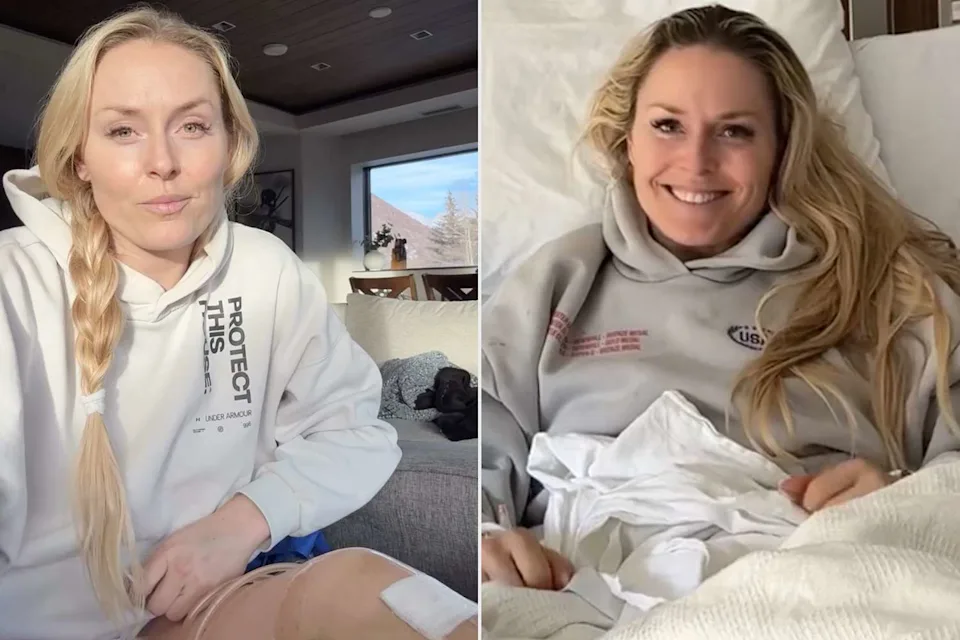
Inside Lindsey Vonn’s Devastating Olympic Ski Crash
Lindsey Vonn left the Olympia delle Tofane course with a complex leg injury after a high-speed fall during the women’s downhill. Medical teams treated her on-site, she was airlifted off the mountain, and later updates revealed a ruptured ACL and a shattered tibia that required multiple surgeries.
How the Incident Happened
Vonn crashed roughly 13 seconds into her downhill run at the 2026 Winter Olympics while competing for Team USA. Telemetry and video showed her skis caught or lost edge control at high speed on a steep pitch, sending her into an uncontrolled fall down the slope.
She entered the season with a previously torn ACL and was attempting a comeback. The fall produced violent torsion and direct impact on her left leg, producing the complex fracture pattern doctors later described.
Witnesses and broadcast replays captured the suddenness of the crash and the immediate stoppage of the race. Weather and course conditions were noted that day, but the primary cause appeared mechanical — a loss of ski-snow interaction at speed.
Immediate Medical Response on the Mountain
Race medical staff reached Vonn within moments, following standard downhill emergency protocols. Team physicians and ski patrol stabilized her on-scene, immobilizing the leg and monitoring for shock and compartment syndrome signs.
Because of the severity, medical teams called for an air evacuation. She was airlifted to a nearby hospital for advanced imaging and surgical consultation, a typical step for suspected open or complex fractures after high-energy alpine crashes.
NBC and other outlets reported Vonn was conscious and communicative during evacuation, but in significant pain. The prompt mountain response prioritized limb preservation and rapid transfer to definitive care.
Extent of Injuries Sustained During the Crash
Surgeons identified a complex tibia fracture with damage to the tibial plateau and fibular head, along with a ruptured ACL. The fracture pattern produced instability and high risk for compartment syndrome, which can threaten circulation and tissue viability.
Vonn required multiple surgeries to address bone fragmentation and relieve compartment pressure; medical teams performed fasciotomies to prevent irreversible muscle and nerve damage. Doctors later said the interventions likely prevented an amputation.
Postoperative updates from Vonn and reporting noted significant blood loss, a blood transfusion, and plans for staged reconstructive surgeries — first to heal bone, then to address the ACL once stability returned. Recovery will involve prolonged rehab and decisions about hardware removal in the future.
Life-Saving Surgeries and a Challenging Path to Recovery
Vonn’s injury required immediate, complex surgical care and a long road of painful rehabilitation. Doctors stabilized multiple fractures, relieved dangerous pressure in her leg, and performed repeat operations before she could return home.
Complex Tibia Fracture and Compartment Syndrome
Vonn suffered a complex tibia fracture that involved the tibial plateau and fibular head in her left leg. Those fractures disrupt the load-bearing surface of the knee and the structural integrity of the lower leg, increasing the risk of swelling, bone displacement, and joint instability.
Severe swelling after such fractures can cause compartment syndrome, where pressure builds inside the muscle compartments and restricts blood flow. If untreated, that pressure can cause permanent muscle, nerve, and tissue loss and may lead to amputation.
Her preexisting torn ACL — sustained days earlier — complicated the injury picture and meant orthopedic specialists who knew her case were immediately available. Imaging and exam confirmed the need for urgent decompression and fixation.
The Critical Fasciotomy Procedure
Surgeons performed a fasciotomy to release the pressure within the muscle compartments of Vonn’s leg. In a fasciotomy, the fascia that encases muscle groups is surgically opened along the length of the compartment to restore circulation and prevent tissue death.
The procedure often leaves long incisions that are temporarily left open or managed with wound vacs before later closure or grafting. Fasciotomy can be limb-saving; its timely execution reduces the chance of permanent nerve and muscle damage.
In Vonn’s case, the fasciotomy was paired with fixation of fractures using plates and screws. That combination aimed to both restore bone alignment and preserve limb viability.
Role of Dr. Tom Hackett and Team
Dr. Tom Hackett, an orthopedic surgeon and U.S. Snowboard Team physician, played a central role in Vonn’s emergency care. His presence on site allowed rapid decision-making and surgical intervention after the crash.
Hackett led the fasciotomy and the initial stabilization procedures, coordinating with trauma and orthopedic teams to manage bleeding, swelling, and fracture alignment. Rapid multidisciplinary action — orthopedic surgeons, anesthesiologists, and critical-care staff — influenced the limb-sparing outcome.
Vonn herself credited Hackett’s timely surgery with saving her leg. The team’s experience with high-energy sports injuries and complex lower-extremity fractures was a critical factor in her immediate care.
Multiple Surgeries and Hospital Stay
Vonn underwent multiple surgeries in sequence: emergency fasciotomy and fixation, then additional procedures to rebuild bone and address soft-tissue concerns. Surgeons used metal plates and screws to reconstruct the tibial plateau and fibular head.
Repeat operations allowed staged repair — first to preserve the limb and manage swelling, later to refine fixation and close wounds. Surgeons also addressed a broken right ankle sustained in the same crash.
She remained hospitalized for about a week in Italy before transfer and later had more procedures after arriving in the U.S. The surgical plan includes potential future operations to remove hardware and to repair the torn ACL once bone healing permits.
Blood Loss and Blood Transfusion
High-energy fractures and repeated surgery can cause significant blood loss. Vonn required transfusion(s) during her surgical care to restore circulating volume and maintain hemodynamic stability.
Transfusions reduce the immediate risks of anemia-related complications and support oxygen delivery to injured tissue. They can become necessary when intraoperative bleeding or post-op drainage exceeds the patient’s physiologic reserve.
Blood management also involves monitoring coagulation, using cell-saver devices when available, and replacing losses with crystalloid, colloid, and packed red blood cells as indicated. Close lab surveillance guided transfusion decisions during Vonn’s hospital course.
Pain, Mobility Setbacks, and Emotional Toll
Recovery from multiple fractures, fasciotomy, and repeated operations produces intense pain and fluctuating mobility. Vonn described extreme physical pain and the emotional difficulty of an abrupt end to her Olympic comeback.
Immobilization, controlled weight-bearing, and repeated dressing changes contributed to setbacks in mobility and sleep. Emotional responses ranged from frustration and grief to determination, common after career-disrupting injuries.
Pain control required multimodal strategies: opioids short-term, nonsteroidal anti-inflammatories when possible, nerve blocks, and careful physical therapy planning. Mental-health support and a rehabilitation team helped manage anxiety and motivation.
Rehabilitation: From Wheelchair to Crutches
Initial rehabilitation began with non–weight-bearing mobility in a wheelchair while bones started to heal. Physical therapists focused on maintaining range of motion in adjacent joints, preventing muscle atrophy, and reducing swelling.
As the tibia and associated fractures consolidated, she progressed to partial weight-bearing with crutches and structured exercises to restore gait mechanics. Later stages will address strength, proprioception, and the torn ACL once hardware removal and bone healing allow.
Recovery timelines vary; Vonn indicated bone healing would take roughly a year before considering ACL repair or hardware removal. Rehabilitation will remain staged, supervised by orthopedics and sports-physio specialists, to balance healing with functional goals.
More from Vinyl and Velvet:

Leave a Reply