

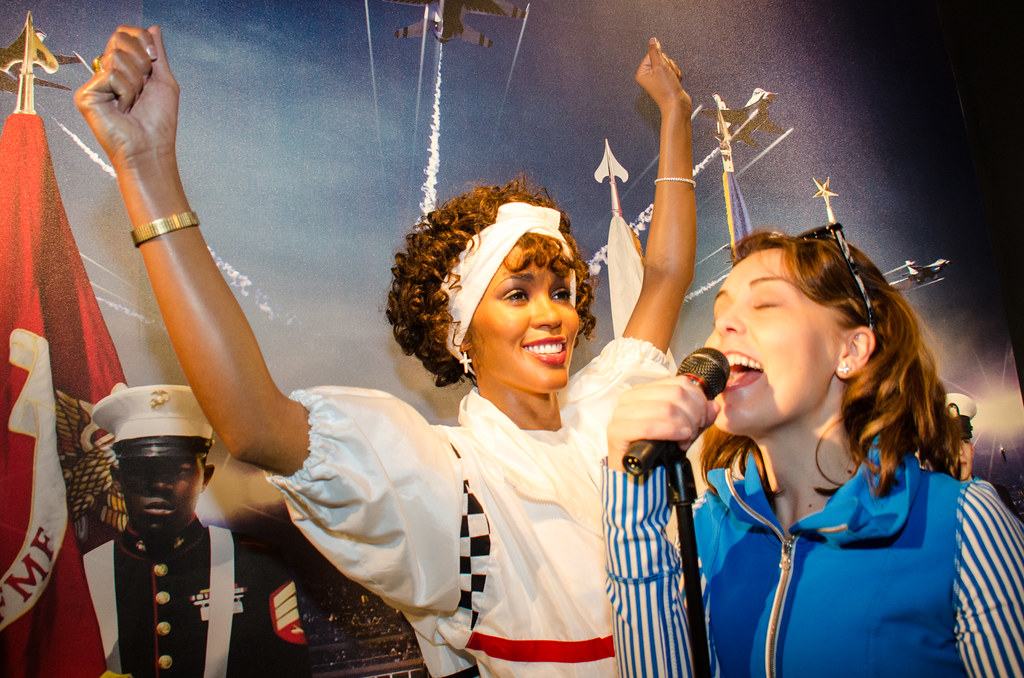
You step into a moment frozen between spectacle and history: January 27, 1991, a Super Bowl packed with tension as the nation watched the early hours of the Gulf War unfold. The game was supposed to be entertainment, but Whitney Houston’s slowed, orchestral rendition of “The Star-Spangled Banner” cut through the noise and settled over the country like a quiet command to feel together.
Her performance became an unexpected anthem for a nation at war because it transformed a halftime ritual into a shared emotional anchor, offering comfort and resolve at a time of uncertainty.
The post will trace how the political climate of 1991 shaped the moment, how Houston’s artistic choices—tempo, orchestral backing, and vocal phrasing—reframed the anthem, and how that single broadcast moved beyond stadium walls to become a touchstone for Americans coping with conflict.
Setting the Stage: America in 1991 and the Gulf War
Tension from the Persian Gulf War tightened daily life, and the Super Bowl in Tampa felt its effects. Public anxiety, heightened security, and a search for unifying symbols shaped the atmosphere in which Whitney Houston performed.
National Mood and Patriotism
Ten days after Operation Desert Storm began, Americans watched imagery of coalition forces on TV and read casualty updates in newspapers. Cable news ran nonstop briefings, and communities organized blood drives and relief efforts through groups like the American Red Cross and the Gulf Crisis Fund.
Patriotism ran high but mingled with real fear. Families had loved ones in or near the conflict zone, and many viewers treated national rituals—the anthem, troop flyovers—as moments to register support. Attendance and television viewership reflected that charged mix: a stadium crowd at Tampa Stadium and roughly 115 million U.S. viewers tuned in, turning pregame ceremony into a mass civic moment.
Super Bowl XXV Security and Atmosphere
Super Bowl XXV became an obvious security focus because major media called large public sporting events potential targets. Organizers added vehicle searches, metal detectors, canine teams, and visible SWAT presence around Tampa Stadium.
Officials also adjusted ceremony logistics. The Goodyear blimp was grounded; military aircraft planned the flyover and local bases coordinated. Organizers balanced visible security with efforts to avoid panic, keeping fans informed while maintaining a celebratory façade for the game between the Giants and the Bills.
The Role of Music in Times of Conflict
Music served as a collective language when words alone felt insufficient. Hymns, patriotic songs, and public performances offered a channel for mourning, pride, and reassurance; stations and benefit drives used music to raise funds and morale.
A national anthem performance at the Super Bowl carried extra weight in 1991. With the Gulf War fresh, a measured, solemn rendition could signal unity and respect for service members. Organizers and performers recognized that the musical choice would likely be replayed on news programs and remembered alongside images of conflict, giving the pregame performance more civic significance than in peacetime.
The Performance: How Whitney Houston Changed the National Anthem Forever
Whitney Houston’s rendition slowed the anthem, amplified its emotional weight, and reached millions in a tense wartime moment. Her delivery, the musical reworking, the decision to use a prerecorded vocal, and the team behind it all reshaped public expectations for the Star-Spangled Banner.
Whitney Houston Takes the Stage
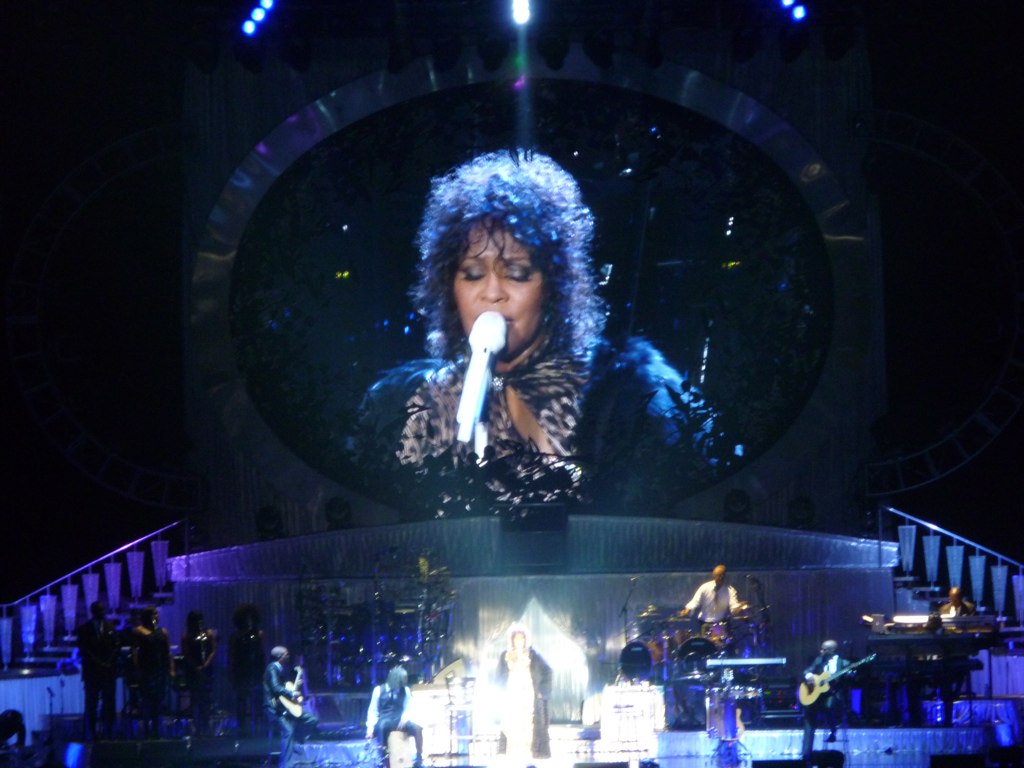
Houston walked onto the field at Super Bowl XXV as a 27-year-old global star, already known for powerful pop and gospel-inflected vocals. She appeared in a simple white outfit; bright stadium lights and a formal announcement by Frank Gifford framed the moment for TV viewers and a packed Tampa Stadium.
Her voice began with long, drawn opening lines that held attention. She emphasized phrasing and breath control, turning familiar lyrics into a sustained, soulful statement. The performance connected directly with viewers watching amid the Gulf War, making the anthem feel personal and urgent.
Unique Arrangement and Musical Choices
Rickey Minor and the Florida Orchestra reworked the anthem’s meter and pace. They shifted the traditional 3/4 feel toward a more straightforward 4/4 approach, slowing the tempo to allow wider vocal phrases and more sustained dynamics.
Conductor Jahja Ling led the orchestra with broad, cinematic swells that supported Houston’s melodic interpretation. The arrangement lowered harmonic motion in places to spotlight vocal color and added orchestral padding that created a hymn-like atmosphere. Those choices turned a march-style anthem into a contemplative, almost gospel-tinged ballad.
Live vs. Pre-Recorded Controversy
The NFL and production team ultimately used a prerecorded vocal track, a choice made for logistical reasons including coordination with an F-16 flyover. Jim Steeg and other Super Bowl organizers handled the decision process under tight security constraints.
Houston sang live into a stadium microphone, but the broadcast used the studio recording. Critics debated authenticity, yet the prerecorded performance preserved pitch and balance against stadium noise and allowed the televised result that millions still remember. The controversy highlighted tensions between live spectacle and broadcast reliability.
Behind-the-Scenes Collaborators
Rickey Minor arranged and produced Houston’s recording; his role shaped the anthem’s tempo and phrasing. The Florida Orchestra provided the orchestral backing, under Jahja Ling’s baton, delivering the sweeping textures behind Houston’s voice.
Jim Steeg, as NFL Super Bowl coordinator, managed production logistics while Frank Gifford introduced the performance to viewers. Each collaborator balanced musical ambition with operational realities, producing a version that fit broadcast needs and resonated emotionally on a national stage.
Public Impact: From a Super Bowl Moment to a National Anthem for a Nation at War
The performance reached millions and shifted conversations about patriotism, commercial music, and charity. It became a defining public moment tied to the Gulf War and to Whitney Houston’s rising cultural authority.
Immediate Reactions and Emotional Resonance
Many viewers described the rendition as calming and unifying during the Gulf War’s tense opening days. Broadcast to an estimated 115 million U.S. viewers at Super Bowl XXV, the performance drew immediate praise from fans, veterans, and commentators who said it elevated the anthem beyond routine pageantry. Critics noted Houston’s vocal control and phrasing; journalists and music historians later singled it out as a new standard for televised national-anthem performances.
Television coverage replayed the segment repeatedly, turning the single stadium performance into a national touchpoint. Danyel Smith and other cultural writers pointed to how timing—ten days into the conflict—amplified the emotional response and linked pop stardom to public consolation.
Charity, Fundraising, and Lasting Legacy
The performance spurred tangible charitable activity. Houston’s team and record label, Arista Records, supported release and distribution efforts that directed attention to relief causes. The recording’s availability helped raise funds and awareness for organizations like the American Red Cross and the Gulf Crisis Fund, which accepted donations to support service members and civilians affected by the war.
Former NFL players and veterans frequently cited the anthem as a moment of collective reflection that translated into support for veterans’ charities. Arista later benefited commercially from renewed interest in Houston’s catalog, but several campaigns explicitly tied proceeds or publicity to wartime relief and veteran assistance.
Re-Releases and Continued Relevance
Arista Records and media partners reissued and packaged the Super Bowl anthem in compilations and broadcasts, preserving the performance for new audiences. The recording has appeared on commemorative albums, digital re-releases, and archival broadcasts, keeping it accessible across formats from VHS and CD to streaming platforms.
Re-releases often coincide with anniversaries—such as the 10th and 30th—sparking renewed media essays and documentary segments. Each reappearance invites reflection on the performance’s interplay with national mood, and it continues to be used in retrospectives about Houston’s career and the cultural climate of 1991.
Comparisons to Other Iconic National Anthem Performances
Observers and critics routinely compare Houston’s 1991 rendition to landmark interpretations that reshaped public expectations. Unlike televised novelty or protest anthems, her version emphasized vocal purity and orchestral accompaniment, which critics argue set a technical and emotional benchmark.
Commentary contrasts her performance with other high-profile renditions by artists who injected stylistic changes or political statements. Analysts point to Houston’s combination of commercial production values (backing from a full orchestra) and the moment’s gravity as reasons it still ranks among the most-discussed national-anthem performances in modern American media history.
Relevant reading about the performance and its context can be found at NPR’s piece on its lasting power: The Power Of Whitney Houston’s National Anthem.
More from Vinyl and Velvet:

Leave a Reply