

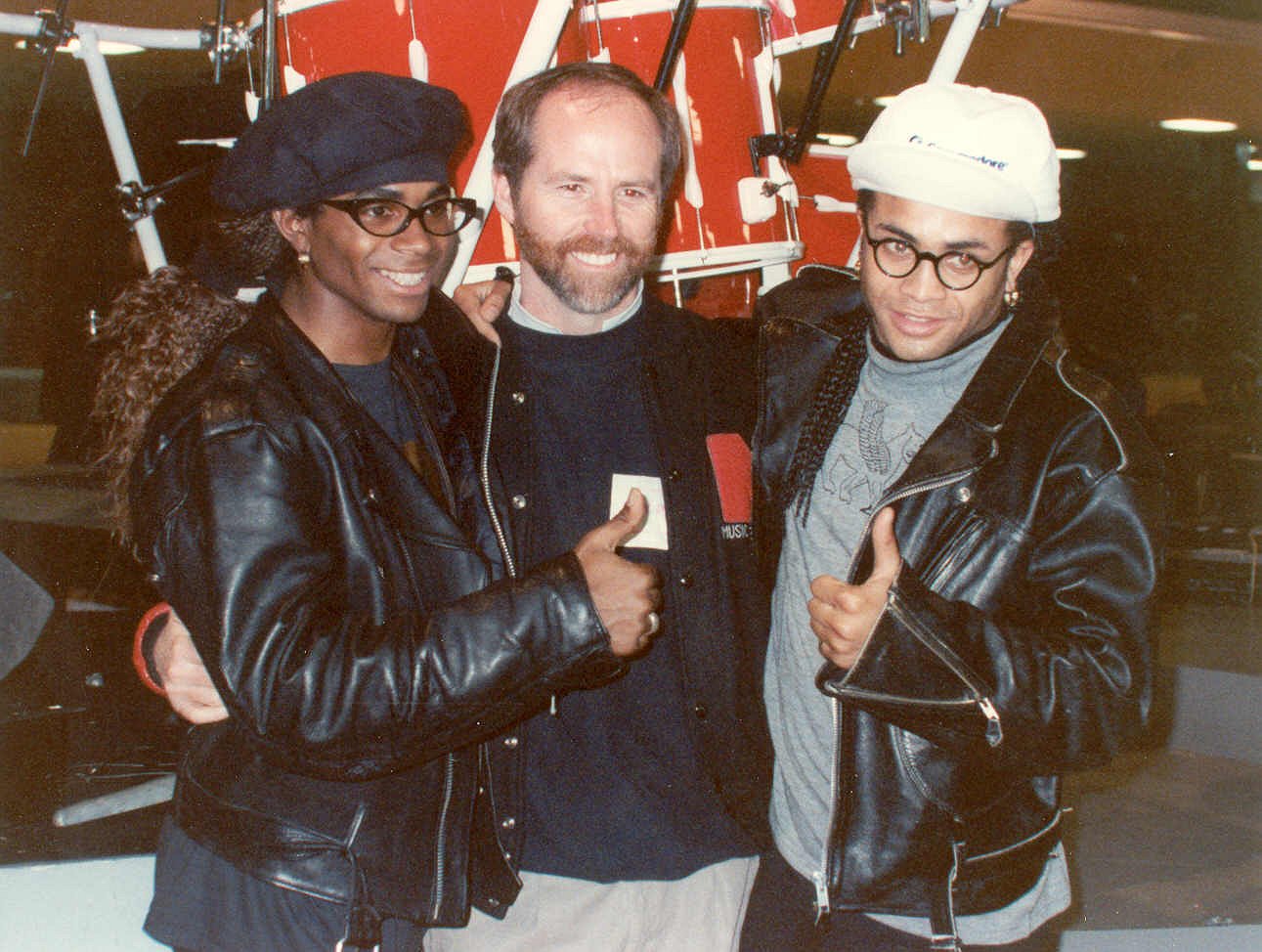
You watch footage of the 1990 Grammy Awards and see a smiling duo on stage while the industry quietly shifts around them. The night that elevated Milli Vanilli into the spotlight also planted the seeds of one of pop music’s most public embarrassments and a debate over what counts as real artistry.
The ceremony ended with Milli Vanilli’s Best New Artist win later being rescinded, showing that the industry can reverse its highest honors when authenticity fails. This post traces their sudden rise, the lip-sync revelations that ignited the scandal, the Grammy fallout and legal consequences, and how that moment forced the music world to rethink authenticity.
Milli Vanilli’s Rise to Fame and Award-Winning Night
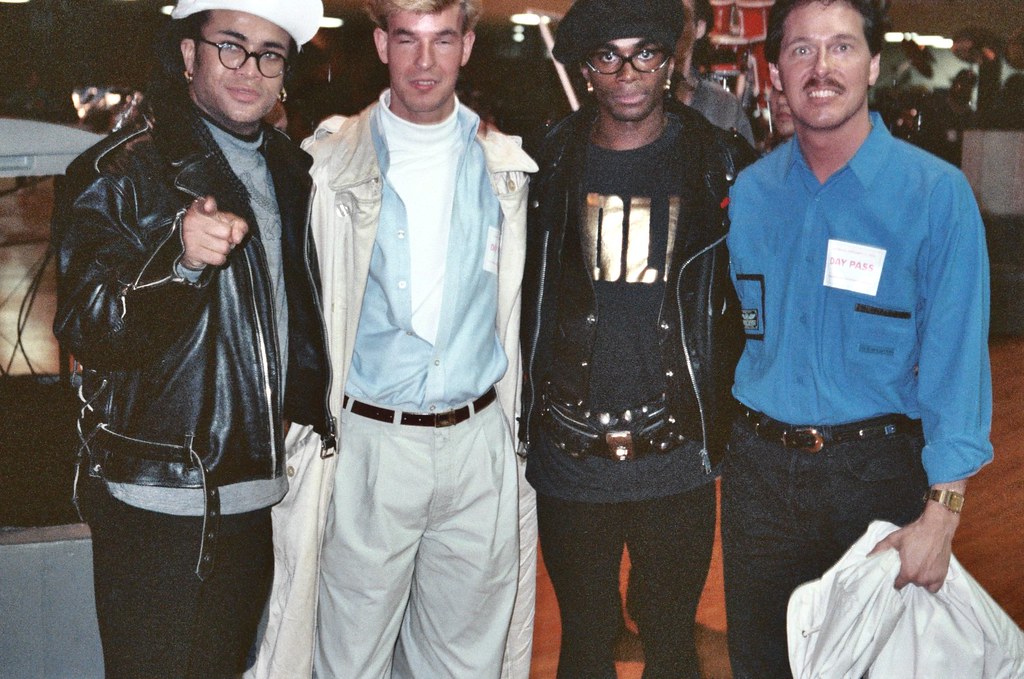
Milli Vanilli shot from club act to international chart-topper, selling millions of records and dominating radio with tightly produced dance-pop. Their commercial success, driven by clever packaging and hit singles, culminated in a high-profile Grammy win that amplified both praise and scrutiny.
The Road to the 32nd Annual Grammy Awards
Frank Farian assembled Milli Vanilli around performers Rob Pilatus and Fab Morvan, who fronted recordings produced and mostly sung by studio vocalists. The project started in Europe, where the single “Girl You Know It’s True” and other tracks found club play and radio traction, prompting Arista Records to repackage the material for the U.S. market.
By 1989–1990, heavy promotion, music videos, and choreography pushed the duo into mainstream visibility. Radio airplay and MTV exposure translated into strong sales, which positioned them as contenders when Grammy ballots were cast for the 1990 ceremony.
Breakout Hits and Pop Stardom
The album Girl You Know It’s True spawned multiple singles, most notably “Blame It on the Rain” and the title track, which climbed pop charts across the U.S. and Europe. Those songs helped Milli Vanilli sell millions of records; U.S. sales and international singles numbers made them one of the era’s biggest commercial acts.
Rob Pilatus and Fab Morvan became recognizable faces of late‑80s pop, performing polished live routines and appearing in high-rotation music videos. The combination of catchy hooks, slick production by Farian, and a market hungry for dance-pop created rapid stardom and widespread industry attention.
Best New Artist Victory and Immediate Impact
At the 32nd Annual Grammy Awards, Milli Vanilli won Best New Artist, marking the peak of their mainstream acceptance. The accolade carried prestige and opened doors—TV appearances, awards shows, and increased sales followed almost immediately.
The win also intensified media focus on the group’s production methods and stage performances. While many celebrated the award, critics and industry insiders began to question the relationship between the faces of Milli Vanilli and the voices on the recordings, setting the stage for the controversy that soon overshadowed the trophy.
The Scandal: Exposing Milli Vanilli and the Truth Behind the Music
Milli Vanilli rose fast, won a Grammy, and then collapsed when it emerged that Rob Pilatus and Fab Morvan did not sing on their records. The revelations implicated producers and session vocalists and sparked a public uproar that changed how people thought about authenticity in pop music.
The Lip-Syncing Revelation and Public Backlash
A 1990 live TV performance exposed the fraud when a tape visibly skipped, repeating a line from “Girl You Know It’s True.” That moment prompted fans and journalists to dig into album credits and live recordings.
Investigations showed that Rob Pilatus and Fab Morvan were frontmen, not vocalists. Session singers — notably John Davis and Brad Howell — provided lead and backing vocals on the hit recordings. The public felt betrayed after Milli Vanilli’s singles, including “Girl You Know It’s True,” sold millions while the credited duo lip-synced on stage.
Backlash included angry fans, canceled shows, and intense media coverage. The revelation intensified after rapper Charles Shaw publicly named performers behind certain tracks. Trust in the act collapsed almost overnight.
Key Players Behind the Scenes
Frank Farian, a German producer, assembled Milli Vanilli and controlled recording decisions. He hired session singers and positioned Pilatus and Morvan as the visual performers.
John Davis sang lead parts on many tracks. Brad Howell handled additional lead and harmony vocals and performed in some live formats as a behind-the-scenes singer. Charles Shaw later spoke about his involvement in rap sections and the recording sessions.
Rob Pilatus and Fab Morvan functioned as the public face, chosen for image and stage presence rather than vocal ability. Farian later admitted the deception to protect the project’s commercial momentum. These arrangements created legal and ethical complications once exposed.
Immediate Responses from the Music Industry
The Recording Academy rescinded Milli Vanilli’s 1990 Grammy for Best New Artist after confirmation that Pilatus and Morvan did not sing on the album. It marked the first time the Academy revoked an award for such reasons.
Record labels pulled the duo’s album from stores in some markets and halted promotion. Promoters and TV shows faced criticism for not verifying vocal claims, and some venues refused to book them. Lawsuits followed from consumers and industry figures over fraud and misrepresentation.
Industry leaders began discussing credit transparency and performer authenticity. The scandal became a reference point in later debates about lip-syncing, image-driven acts, and how much production teams should disclose to audiences.
Aftermath: Grammy Fallout, Industry Reform, and the Lives Changed
The episode forced a re-evaluation of who gets credit and how awards validate artists. It left individual careers altered, prompted industry rule changes, and exposed the session singers behind the hits.
Revoking of the Best New Artist Grammy
The Recording Academy formally revoked Milli Vanilli’s 1989 Best New Artist Grammy after evidence showed Rob Pilatus and Fab Morvan did not sing on their recordings. On November 19, 1990, the Academy’s Board of Trustees voted unanimously to strip the award — the only time a Grammy has been rescinded.
The decision acknowledged vocalists like John Davis, Charles Shaw, and Brad Howell as the actual singers on the record. It also removed Milli Vanilli from official Grammy listings and led the Academy to tighten documentation requirements for future nominees.
Public reaction to the revocation was quick and intense. The physical trophy returned to the Academy, and the episode became a cautionary example about attribution in pop music.
Reactions from the Recording Academy and Nominees
The Recording Academy faced criticism for allowing the misattribution to reach the stage. Academy executives said they would implement stricter verification of credits and were more careful about liners and session musician documentation going forward.
Nominees and contemporaries expressed mixed views. Acts like Indigo Girls and Neneh Cherry, who had artistic credibility at stake, highlighted the importance of transparency in recording credits. Some artists argued the scandal exposed systemic problems in pop production rather than a single moral failing.
Media coverage amplified the debate over authenticity, and the Grammy ceremony itself became subject to scrutiny for how it evaluates artistry versus commercial packaging.
Legal, Career, and Personal Consequences
Legal fallout included lawsuits and contract disputes over royalties and credit. Session vocalists sought recognition and compensation for performances that had been publicly credited to Pilatus and Morvan.
Career trajectories diverged. John Davis and other background singers continued studio work but received delayed public acknowledgment. Rob Pilatus struggled publicly with substance abuse and legal trouble, and he died in 1998. Fab Morvan later pursued a solo career and advocacy about image and authenticity.
The scandal pushed labels to document contributions more rigorously. It also influenced artists to demand clearer crediting, which benefited session musicians and clarified royalty streams for years afterward.
Redefining Authenticity: The Lasting Impact on Pop Music and the Grammys
The Milli Vanilli scandal forced institutions and audiences to reconsider what counts as “real” performance, how awards are vetted, and how marketing shapes musical careers. It also tied into wider conversations about live performance, production credits, and the value placed on image versus vocal contribution.
Changes to Grammy Rules and Industry Standards
The Recording Academy tightened verification around eligibility and credited performers after the 1990 Grammy controversy. Committees began to require clearer documentation of who performed on submitted recordings, especially for major categories like Album of the Year and Record of the Year.
Labels and producers faced greater scrutiny when credits listed performers who did not sing on tracks. That shift influenced contracts and liner notes, making session musician and producer credits more transparent.
Television producers also adjusted live-show practices. Lip-sync policies became explicit for broadcasts after incidents involving televised performances by high-profile artists such as Janet Jackson. The industry moved toward formalizing when pre-recorded tracks could be used in televised appearances.
Evolution of Public Perception Around Authenticity
Public reactions to Milli Vanilli highlighted a changing appetite for “authentic” artistry in pop. Fans began demanding clearer distinctions between vocalists, frontpersons, and studio contributors. Their expectations affected sales and reputations for chart-topping acts; a controversy could overshadow a No. 1 single or a massive-selling album.
The incident fed into skepticism about manufactured pop acts and bolstered interest in artists perceived as genuine performers. That skepticism later intersected with debates when established acts like Metallica and genre-defying winners faced scrutiny over award legitimacy and artistic merit.
Listeners also developed a more nuanced understanding: production and songwriting mattered more publicly. The industry’s emphasis on images and music videos — from acts nominated for Grammys in 1990 like Young MC to veteran performers — shifted toward crediting the people behind the sound as well as the faces in front of it.
Notable Grammy Moments and Industry Comparisons
The 1990 Grammy ceremony became a cautionary benchmark, often cited alongside other contentious moments in award history. The revocation of Milli Vanilli’s Best New Artist echoes later controversies over who truly earns recognition for Album of the Year or Record of the Year.
The Academy’s handling established precedent for rescinding honors in extreme cases and for refining nomination vetting. Comparable moments—ranging from televised lip-sync debates to disputes over production credits—have prompted rule clarifications.
High-profile performers and nominees, including Janet Jackson and acts that dominated charts around 1990, continued to shape broadcast expectations. The episode remains a frequent reference when the industry compares visual performance versus studio craftsmanship during Grammy discussions.
More from Vinyl and Velvet:

Leave a Reply