

You watch footage of screaming crowds and cramped hotel rooms and can feel why the band walked away from the stage in 1966. They left touring because the noise, safety risks, and exhaustion made live performance unsustainable, and they chose to make music on their own terms in the studio instead.
Bold choices followed bold risks: the Beatles stopped touring and used the studio to rethink what a pop album could be, treating albums as unified artistic statements rather than collections of singles. That decision launched a creative leap that shaped modern pop albums and changed how you experience recorded music.
You’ll follow the story from chaotic tours to late-night studio experiments and hear how retreating from the road unlocked new techniques, instruments, and songcraft that still influence albums today.
The Chaos of Touring and the Decision to Stop
The Beatles faced relentless pressure on the road: packed stadiums, unbearable noise, security threats, and growing frustration with live sound and performance limits. Those factors converged during 1966 and pushed the group to quit touring and focus on studio work.
Height of Beatlemania and World Tours
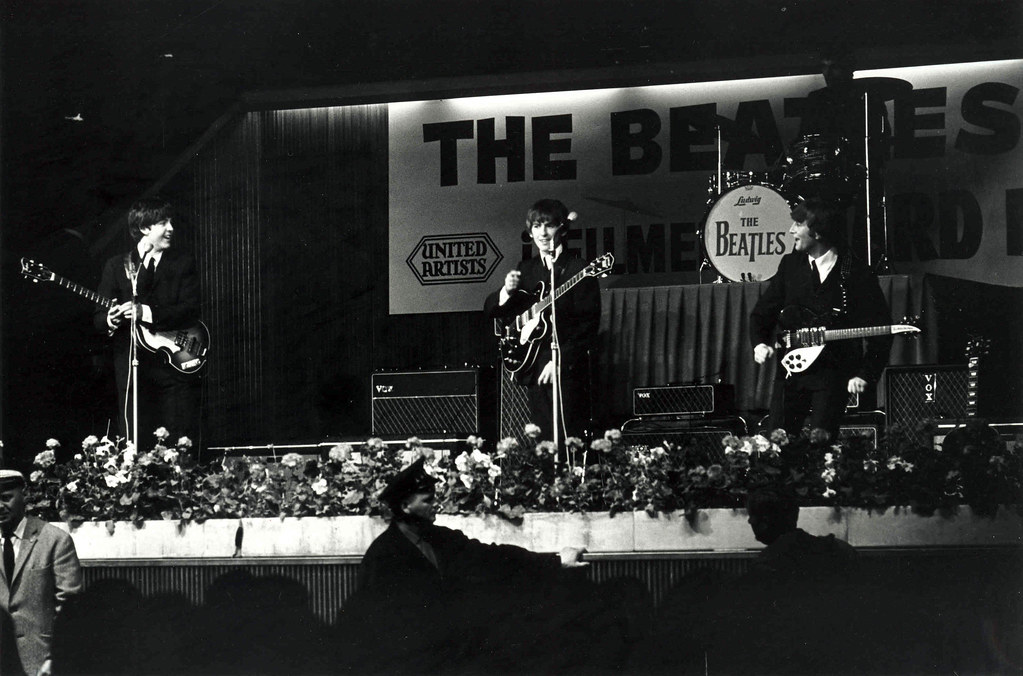
By 1966 The Beatles were performing before tens of thousands nightly, with sold-out halls across Europe, North America, Japan, and the Philippines. Fans pushed against barriers, screamed continuously, and turned simple comings and goings into chaotic scenes that required heavy policing.
Paul McCartney and Ringo Starr rarely heard their own instruments; the screams masked melodies and made meaningful live performance impossible. Management and promoters scrambled to control crowds while the band felt increasingly trapped by the spectacle of Beatlemania.
The sheer scale of appearances—hundreds of shows since their early Hamburg days—caused physical and mental exhaustion. The touring schedule left little time for rest or songwriting, and the group began to sense their creative strengths lay elsewhere.
Problems With Open-Air Concerts and Stadium Shows
Open-air stadiums amplified the band’s practical problems: poor acoustics, primitive PA systems, and weather risks. Even in enclosed arenas, public-address technology of 1966 could not compete with the screaming audience level. Instruments and vocals were often inaudible; songs lost their subtlety and arrangement.
Logistics worsened with stadium routing, security cordons, and rushed set lists—usually eight to ten short songs played in rapid succession. The Beatles grew frustrated that complex studio arrangements could not translate live, which limited their artistic development. Touring became an exercise in crowd control rather than musical presentation.
Impact of the ‘More Popular Than Jesus’ Controversy
John Lennon’s 1966 remark that the Beatles were “more popular than Jesus” sparked international backlash after U.S. magazines and radio DJs amplified the comment. In parts of the U.S., record burnings, protest rallies, and threats followed. The band received hostile mail and some promoters warned of physical danger.
The controversy intensified existing security concerns, particularly during the American leg of the 1966 tour. Lennon later said the remark had been taken out of context, but at the time it contributed directly to an atmosphere where the group questioned whether touring was safe or worth the risk.
The Last Tour and Candlestick Park Performance
The Beatles’ final live appearance on August 29, 1966, at Candlestick Park in San Francisco marked the end of their public touring career. Around 25,000 to 30,000 attended, and reports noted a lower-than-expected demand compared with past U.S. dates. The set ran about 30 minutes and included songs from Revolver, which the band could not reproduce faithfully onstage.
After the concert, the group conferred with manager Brian Epstein and decided to stop touring. Paul McCartney later explained they preferred the control of the studio where they could craft and perfect sounds. The decision followed safety worries, exhausted schedules, and the realization that live shows no longer represented their musical ambitions.
Retreat to the Studio: A Creative Revolution
The Beatles left live performance and used the studio to experiment with song form, instrumentation, and recording techniques. Their work from 1966–1969 reshaped how artists approached albums, prioritized studio-only sounds, and expanded what pop music could include.
Why the Beatles Chose the Studio Over the Stage
Increasingly hostile tour environments, poor live sound, and the impossibility of reproducing new arrangements pushed the group away from performance. John Lennon’s controversies and threats deepened security concerns, while Paul McCartney and the others found live shows musically limiting. They wanted control — to craft parts precisely and layer sounds that couldn’t survive screaming crowds.
In the studio they could spend days on a single track. That shift let them write with textures and overdubs in mind, producing songs that worked as recorded objects rather than setlist pieces. This period set the conditions for albums like Abbey Road and the White Album to be sculpted track by track.
Sgt. Pepper and Breaking Musical Boundaries
Sgt. Pepper’s Lonely Hearts Club Band marked a deliberate move toward album-as-art. The Beatles sequenced songs, used recurring musical motifs, and stitched tracks together to create a unified listening experience. They employed brass bands, string arrangements, and orchestral crescendos that served songs by Lennon and McCartney alike.
This album’s production choices encouraged later projects—Magical Mystery Tour, the double LP White Album, and the layered suites on Abbey Road. Even Let It Be, recorded later under different conditions, reflects how much the band’s priorities had shifted toward studio exploration and post-production.
Embracing Technology and Studio Innovation
The Beatles and producer George Martin treated Abbey Road’s studios as instruments. They used ADT (automatic double tracking), tape loops, backwards recording, varispeed, and close-miking to shape timbre. Engineers manipulated tape splices and plate reverbs to create textures not possible on stage.
These techniques appear across the Beatles Anthology tapes and in demos preserved by Paul McCartney and others. The studio innovations enabled John Lennon’s avant-garde impulses, McCartney’s melodic experiments, and the band’s collective layering on tracks that would influence decades of pop and rock production.
The Reinvention of the Modern Pop Album
The Beatles stopped touring and used the recording studio to expand song structure, timbre, and sequencing. They treated albums as artistic statements, layered unconventional sounds, and pushed pop beyond singles and live‑play constraints.
The Studio as a Creative Playground
The band transformed EMI’s Abbey Road studios into an instrument. They extended takes, multitracked vocals and instruments, and used tape loops, varispeed, and ADT to shape sounds that could not be reproduced live. This approach appears clearly on Revolver and grows bolder across the White Album and Abbey Road.
Engineers and producers played larger roles. George Martin arranged orchestral parts; Geoff Emerick took technical risks that altered drum tones and guitar textures. The studio allowed time-consuming experiments—backwards guitar, tape collage, and string arrangements—that turned pop forms into layered productions.
This shift changed songwriting too. Paul McCartney, John Lennon, George Harrison, and Ringo Starr wrote with studio possibilities in mind, composing parts that relied on studio effects and editing. The result: songs that prioritized recorded detail, atmosphere, and subtle edits over immediate stage impact.
Concept Albums and Cohesive Artistic Visions
They treated albums as unified experiences rather than collections of singles. Sgt. Pepper’s framed songs within a fictional band persona, while the White Album used contrast and sequencing to present a sprawling, varied statement. Abbey Road emphasized side-two medleys that linked short pieces into a continuous suite.
Cohesion came from recurring motifs, careful ordering, and production continuity. Transitions—crossfades, reprises, and ambient sounds—made the listening session feel intentional. Even Let It Be and the later Beatles Anthology projects show concern for narrative and archival context, shaping how tracks relate across an album.
This orientation influenced how listeners consumed records. Fans began to play albums from start to finish, appreciating sequencing and thematic arcs. Record companies and artists adopted similar strategies, crafting albums with intros, interludes, and closing statements that rewarded full-album listening.
Legacy: Influence on Later Bands and Albums
The studio-first mentality set a template for rock and pop acts that followed. Bands such as Pink Floyd and Radiohead expanded on the idea of albums as immersive works, using studio technology to create thematic coherence and sonic depth. The White Album’s diversity inspired artists to mix genres across a single record.
Abbey Road’s medley approach influenced later concept pieces and progressive arrangements. Let It Be and the Beatles Anthology releases contributed to archival presentation, showing how studio outtakes and demos can enrich an album’s story. Producers began to be credited as creative partners rather than just technicians.
Record-making practices shifted: extended sessions, sophisticated overdubbing, and production-driven songwriting became standard. That legacy persists in modern pop, where studio craft and album sequencing remain central to how artists present ambitious, cohesive records.
More from Vinyl and Velvet:

Leave a Reply