

They nearly canceled the festival twice in the days before it began, with permits revoked, roads clogged, and organizers scrambling to find land and security. When half a million people showed up with nowhere else to go, the crisis forced a last-minute decision to open the gates and turn a collapsing plan into a historic gathering.
You will follow the chaotic lead-up through the ripped-up permit, desperate negotiations with a dairy farmer, and the breakdown of ticketing and sanitation that left hundreds of thousands stranded. The next sections trace how the crowd, the makeshift responses, and an iconic lineup transformed near-disaster into a defining moment of 1969.
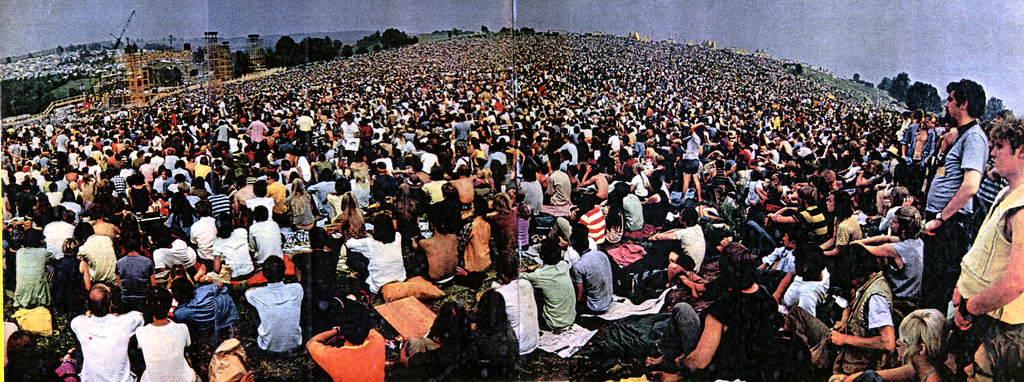
The Disaster That Almost Was: Last-Minute Chaos Leading Up to Woodstock
Organizers lost their planned site, faced collapsing infrastructure, and negotiated with a dairy farmer to host hundreds of thousands. Delays, permits, and furious local pushback forced rapid improvisation that nearly canceled the event.
Losing the Original Venue and the Scramble for Bethel
Promoters originally booked a small venue on Wallkill, N.Y., but local officials revoked the permit days before the festival after neighborhood pressure and zoning objections. With vendors contracted and artists scheduled, Michael Lang, John Roberts, Artie Kornfeld, and Joel Rosenman raced to find an alternative that could hold their lineup and audience.
They secured Max Yasgur’s farm in Bethel, Sullivan County, only after intense negotiations. Yasgur agreed despite local skepticism and the farm’s zoning limits. Moving the entire production to a working dairy required immediate site surveys, traffic planning for Route 17, and a rapid rewrite of licensing paperwork.
The decision to relocate changed logistics overnight. Roads weren’t designed for the influx; organizers had no time to build proper entrances, fencing, or sanitation. That lack of infrastructure set the stage for the crowd and traffic crises that followed.
Logistical Nightmares: Building a Festival in Days
Once Yasgur’s 600-acre farm was chosen, crews had to erect stages, sound towers, medical tents, and limited sanitation in a matter of days. There were only a few hundred portable toilets for hundreds of thousands of people after last-minute fence breaches made ticketing moot.
Food and water lines depended on ad-hoc trucking routes that backed up on narrow local roads. Heavy rain turned fields to mud, complicating construction and amplifying safety risks around electrical gear and generators. Sound systems were rushed into place, causing frequent technical failures during performances.
Traffic management failed early: miles-long jams left emergency vehicles delayed and artists arriving by helicopter. Volunteers and communes like the Hog Farm improvised as security and aid providers, but the situation remained precarious until the crowd itself self-organized to fill gaps.
The Role of Woodstock Ventures and the Founders
Woodstock Ventures — run by Lang, Roberts, Kornfeld, and Rosenman — acted as both promoter and on-the-ground problem solver. They balanced contractual obligations to performers with frantic negotiations with local authorities and private landowners.
Faced with mounting expenses and collapsing ticket control, the founders made operational choices that prioritized keeping the show alive. They shifted from strict ticket enforcement to an open-admission reality once fences were overwhelmed. That choice reduced immediate conflict but cost the company financially.
Their leadership blended negotiation, improvisation, and public messaging. They arranged emergency medical support with the state and called in favors from production crews and sympathetic locals. Those moves kept headline performers on stage and prevented official shutdown.
Community and Local Reactions
Sullivan County and nearby towns reacted with alarm and anger as highways clogged and fields filled overnight. Local officials debated using the National Guard; many residents feared property damage and public-health fallout from inadequate sanitation.
Some locals, including farmers and businesses, aided logistics by offering supplies, land access, and labor. Max Yasgur faced criticism from neighbors but also became a focal point for support when he defended the festival publicly. His decision to host the event drew both civic backlash and financial strain.
State and county agencies deployed limited resources for traffic control and medical aid, but most emergency response relied on ad-hoc volunteer networks and community goodwill. That mixed local reaction shaped how authorities engaged with Woodstock Ventures in the crucial hours before the festival began.
A Sea of People With Nowhere to Go: Unexpected Crowds Take Over
Rain, a canceled ticket plan, and a sudden influx of people turned the rural roads into human rivers. Hundreds of thousands converged on Max Yasgur’s farm with no definitive entry control, strained services, and a festival team scrambling to respond.
Ticketing Failures and the Free Festival Decision
Organizers expected about 50,000 paying customers, but far more arrived after word spread and many got stalled at blocked access points. Ticket booths and fencing could not handle the flow; turnstiles were bypassed or never installed in places where fields became the entry.
Faced with stalled crowds stretching for miles, Woodstock officials effectively declared the event a free festival for large swaths of attendees. That decision stopped confrontations at clogged gates and shifted the challenge from revenue collection to crowd safety. It also matched the festival’s advertised ethos of “three days of peace and music,” easing friction between staff and many attendees.
Woodstock attendees—tired, muddy, and hungry—accepted the informal arrangement. The free-admission reality changed logistics: sound checks, stage timing, and performer schedules had to adapt to unpredictable audience sizes.
Traffic Jams and Abandoned Cars
Route 17 and local backroads became parking lots. Vehicles piled up on shoulders and in fields as drivers gave up trying to reach the stage. Some abandoned cars remained for days; others were left by people who chose to join the crowd on foot.
Traffic backups delayed emergency vehicles and supply deliveries. Local farmers and volunteers later moved cars to clear passages, but not before the jam complicated evacuation and medical response planning. For many attendees, the final miles were a long walk through mud and rain, turning a planned arrival into an ordeal.
The parking collapse also created informal campsites directly on roads, which contributed to noise, litter, and a constant stream of pedestrians. That added pressure to already overwhelmed local services and altered how organizers allocated security and medical resources.
Overwhelmed Infrastructure: Food, Water, and Shelter Scarcity
Vendors and supply trucks could not reach the interior of the crowd fast enough. Food lines grew long or disappeared as stock ran out, leaving many attendees dependent on shared rations and volunteers handing out sandwiches and milk.
Potable water shortages became an acute problem after heavy rains contaminated holding areas and made wells harder to access. Toilets were insufficient for the numbers present; portable units filled quickly and sanitation degraded in low-lying, muddy sections of the site.
Shelter options were limited: people huddled under makeshift tarps, car roofs, or the temporary stages. The shortage of dry space forced improvisation—blankets, record covers, and donated tents kept some warm. Despite the scarcity, many maintained a cooperative spirit aligned with the festival’s “peace and love” image, sharing what little they had to get through the three days.
Surviving the Storm: Chaos, Crisis, and Counterculture Spirit
The festival teetered between collapse and continuation as medical teams, mud-choked fields, and spontaneous acts of care shaped those three days. Volunteers, musicians, and thousands of attendees improvised systems that kept people alive and, in many cases, calm.
Medical Emergencies and Volunteer Response
Medical cases ranged from hypothermia and lacerations to drug overdoses and exhaustion. Local doctors, nurses, and volunteers set up makeshift aid stations across the field; volunteers from collectives like the Hog Farm and independent medics became the festival’s primary emergency response. They triaged patients, stitched cuts, and treated dehydration with limited supplies.
Ambulance access was largely blocked by the traffic, so medics carried patients on stretchers through mud or used flatbed trucks for transport. Organizers coordinated with nearby Sullivan County hospitals when serious cases required evacuation. Despite strained resources, volunteers reduced fatalities and stabilized many critical cases through quick improvisation and constant triage.
Rain, Mud, and Dangerous Conditions
A sudden thunderstorm turned the cow pasture into ankle-to-knee-deep mud, making movement hazardous and collapsing some temporary structures. The weather soaked clothing and instruments and clogged portable toilets, creating unsanitary conditions that risked infection and illness. With parking fields flooded and roads jammed, supply trucks struggled to reach vendor lines and medical points.
Attendees improvised with tarps, ponchos, and shared shelters under trees and vendor canopies. Performers like Sly and the Family Stone and others played through soggy stages, while staff and volunteers rerouted foot traffic to firmer ground. The mud amplified logistical problems but also forced people to help one another carry gear, share food, and clear pathways.
Moments of Community and Peace Amidst Disorder
Amid the mayhem, the festival’s counterculture ethos—peace and music—guided many responses. Swami Satchidananda’s presence and speeches encouraged calm, and activists like Abbie Hoffman advocated for cooperation rather than confrontation. People formed informal cohorts to save spots, trade food, and look after those who fainted or were cold.
Musicians and volunteers often became de facto leaders: onstage announcements directed crowds to aid stations, and bands helped maintain morale. Shared hardship prompted spontaneous generosity—food sharing, clothing swaps, and communal sheltering—turning crisis into instances of collective care. Those actions helped keep the weekend intact until transportation and supplies gradually reached the site.
Iconic Lineup & Unforgettable Performances: The Music That Endured
The festival’s bill mixed established stars, rising acts, and eclectic guests who responded differently to weather, delays, and an audience that kept growing. Several late-night and rain-soaked sets became defining moments — both musically and culturally — as performers adapted on the fly.
How Delays and Chaos Shaped the Schedule
Heavy traffic, stage setbacks, and storms pushed many acts into odd hours and longer than planned runs. Organizers repeatedly revised the running order; some performers started before full light, while others played into the early morning. That meant artists like Richie Havens opened for far larger crowds than expected, turning his improvised, extended set into an emblematic moment.
Acts scheduled earlier — including folk names like Joan Baez and Arlo Guthrie — faced muddy fields and thinning equipment access, which led some to trim songs or switch to acoustic arrangements. Technical crews scrambled to keep amplifiers working for rock bands such as The Who and Credence Clearwater Revival, sometimes delaying headliners until conditions improved.
Despite the chaos, spontaneity rose: extended jams from The Grateful Dead and improvisations by Santana (led by Carlos Santana) filled time and built momentum. Sound checks became performance time, and unexpected audience sizes altered pacing, forcing artists to prioritize crowd-pleasers and anthems over deeper cuts.
Standout Sets and The Unexpected Stars
Several performances rose above the tumult. Jimi Hendrix closed the festival with a now-iconic electric rendition of the “Star-Spangled Banner,” played to a fraction of the original crowd but later seen as a radical statement. Janis Joplin delivered raw, soulful vocals that reinforced her reputation as a powerhouse despite rain and fatigue.
Santana arrived as a relative unknown nationally but stunned listeners with Latin-tinged blues-rock; their set helped launch the band into mainstream recognition. Folk and rock veterans like Joe Cocker and Jefferson Airplane gave energized sets that matched the crowd’s intensity. Ten Years After and Canned Heat offered extended blues-rock showcases that kept thousands moving through poor weather.
Other memorable moments included the folksier, intimate turns by Bert Sommer, Tim Hardin, and John Sebastian, and the upbeat nostalgia of Sha Na Na, which contrasted with harder-edged acts. Country Joe McDonald’s political songs and The Band’s rootsy playing added texture. Even sidelined or technically troubled acts left moments fans still recount.
Legacy of the Music and the Documentary
The music’s legacy grew through recordings and film, which captured the raw, uneven, and transcendent nature of many sets. The documentary footage amplified performances — Hendrix’s closing piece and Santana’s breakthrough both reached wider audiences because of cinematic exposure. That exposure cemented specific sets as cultural touchstones.
Woodstock’s live recordings and later releases preserved improvisations, truncated songs, and on-the-spot collaborations, giving scholars and fans concrete artifacts to analyze. The festival’s narrative now rests on both the live experience and archival media that highlighted standout moments from artists like The Who, Janis Joplin, Jefferson Airplane, and Richie Havens. Those recordings shaped rock history and influenced festival programming for decades.
More from Vinyl and Velvet:

Leave a Reply