

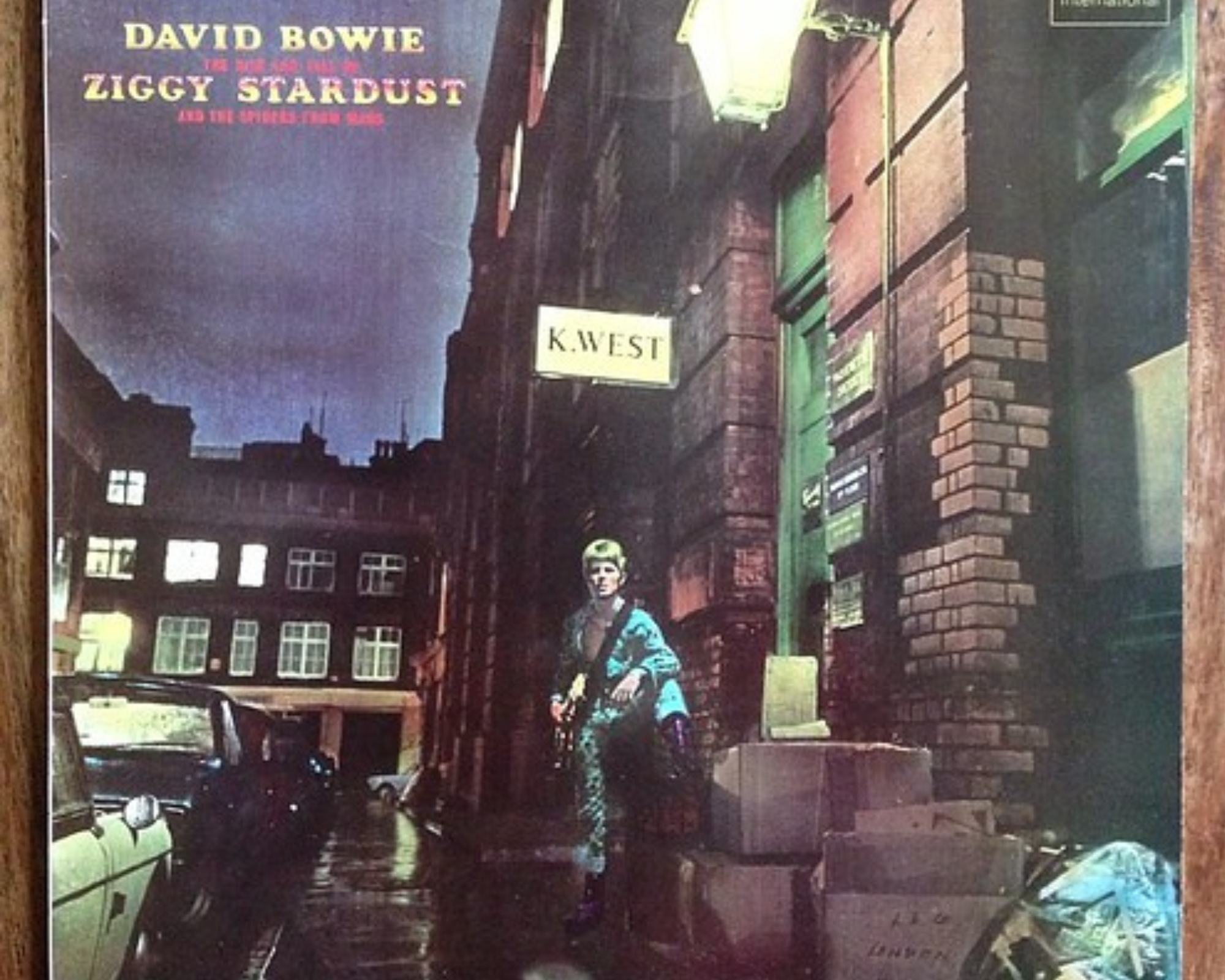
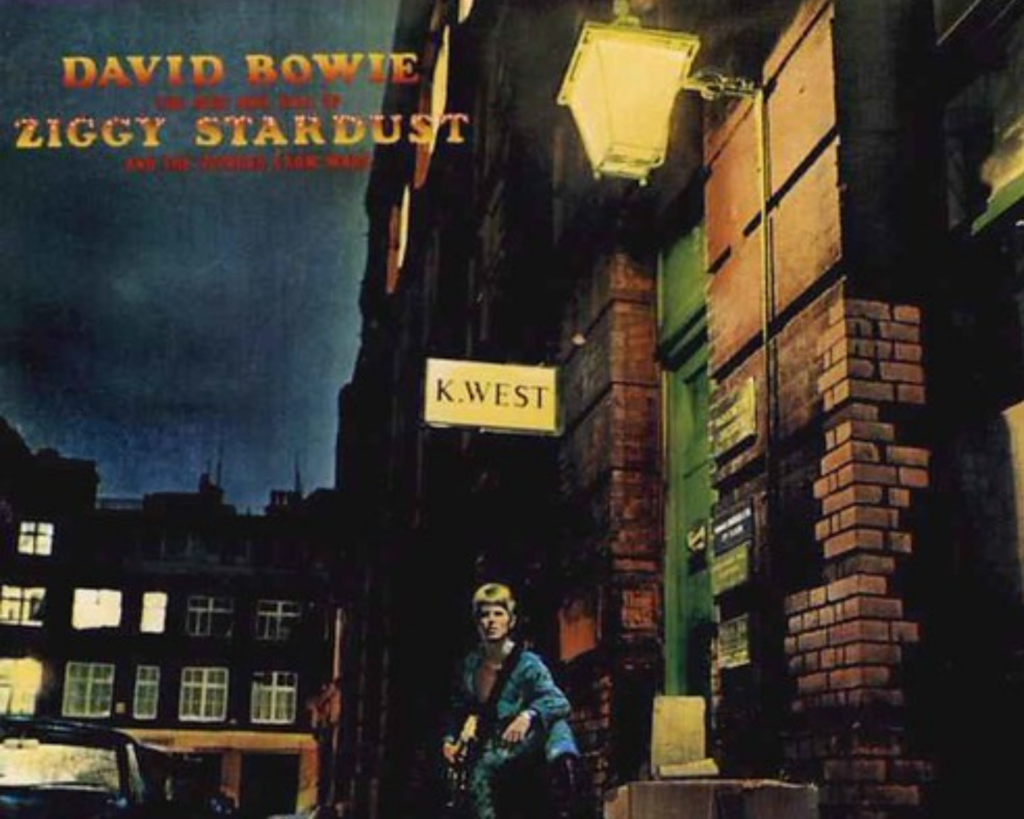
When you think of the ’70s, a cascade of colorful imagery probably floods your mind — bell-bottoms, lava lamps, and maybe even some funky dance moves. But what truly encapsulates this vibrant decade? According to music critics and fans alike, it all boils down to one iconic album: “The Rise and Fall of Ziggy Stardust and the Spiders from Mars” by David Bowie. Released in 1972, this record didn’t just jumpstart a genre; it redefined how we think about music, identity, and even the very fabric of rock and roll.
The Sound That Shook the World
Picture this: it’s the early ’70s, and the music scene is bursting at the seams with creativity. You’ve got folk rock, glam, punk, and everything in between, all vying for your attention. In the midst of this beautiful chaos, Bowie emerges with a sound that feels like a glittering alien dropped in from another planet. “Ziggy Stardust” blends rock, glam, and a sprinkle of soul in a way that hadn’t been done before. The electric guitar riffs, the theatrical lyrics, and Bowie’s androgynous persona created a sonic landscape that was as vibrant as the fashion of the time.
It’s hard to overstate how revolutionary this album was. Bowie wasn’t just making music; he was crafting an experience. Songs like “Starman” and “Suffragette City” became anthems of rebellion and self-expression. There’s a sense of urgency in the way he sings, a call to arms for anyone who’s ever felt out of place. And let’s be real—who hasn’t felt a little Ziggy inside them at some point?
Breaking Boundaries
Bowie’s Ziggy Stardust wasn’t just a character; he was a symbol of liberation. At a time when gender norms were rigid, Bowie danced around them with style and grace. He shattered stereotypes and encouraged listeners to embrace their authentic selves. When you listen to tracks like “Rock ’n’ Roll Suicide,” you can almost feel the weight of societal pressures lifting, replaced by a comforting sense of belonging. It’s no wonder the album resonated so deeply, especially with the youth of the time.
But Ziggy wasn’t just a trailblazer for gender fluidity. The album also took a bold stance on sexuality, fame, and the struggles of the human experience. Bowie’s narrative of a rock star who rises to fame only to face the emptiness that follows is a poignant reminder of the double-edged sword that often comes with success. It’s this blend of fantasy and reality that keeps listeners coming back, decade after decade.
A Lasting Impact
Fast forward to today, and “Ziggy Stardust” continues to influence artists across genres. From Lady Gaga to Harry Styles, you can hear traces of Bowie’s flamboyant spirit throughout modern music. It’s like a musical game of cosmic tag, where the baton of creativity keeps getting passed down. If that doesn’t make you feel nostalgic for a time you never even lived through, I don’t know what will!
And the cultural impact doesn’t stop at music. The visuals of Ziggy Stardust—think vibrant makeup, wild hairstyles, and costumes that look like they were borrowed from a space opera—set a new standard for music videos and performances. Bowie taught artists that they weren’t just musicians; they were storytellers, capable of painting a vivid picture with their art. The theatricality of a live performance has never been the same since.
Why It Still Matters
So, why does a record released over 50 years ago still resonate so strongly today? It’s simple: “Ziggy Stardust” taps into universal themes of identity, acceptance, and the quest for meaning. It reminds us that it’s okay to be different, to embrace our quirks, and to dance to the beat of our own drum—preferably while wearing glittery platform shoes.
Listening to this album is like taking a time machine back to a moment when music was all about breaking free and being who you truly are. In a world that often feels chaotic and divided, Bowie’s message of love, acceptance, and individuality feels more relevant than ever. So, the next time you find yourself in need of a little inspiration, throw on “Ziggy Stardust.” You might just find yourself dancing around your living room, channeling your inner rock star.
More from Vinyl and Velvet:

Leave a Reply