

You walk into what should be an ordinary night of youth sports and watch chaos unfold as gunfire rips through a packed arena. Families scramble, players dive for cover, and by the time emergency crews arrive, two are dead and three lie critically injured — a targeted act that left a community reeling and law enforcement racing to piece together motive and timeline. The shooting at the Dennis M. Lynch Arena in Pawtucket killed two people and critically injured three others, and officials say the incident was tied to a family conflict.
This post breaks down what happened during the game, how authorities and witnesses responded in the immediate aftermath, and what the community is doing now to support victims and prevent similar tragedies. Follow the timeline, witness accounts, and official updates to understand both the facts and the local response.
For more background on the incident and official statements, see reporting from CBS News on the Pawtucket hockey rink shooting.
High School Hockey Game Shooting: What Happened
Gunfire erupted at the Dennis M. Lynch Arena during a youth hockey game, killing two people and leaving three in critical condition. Police identified the scene as a “targeted event” tied to a family dispute and said the shooter died at the scene.
Timeline of Events at Dennis M. Lynch Arena
Play was underway around 2:30 p.m. when multiple shots rang out inside the arena. Spectators and players from teams organized under the Blackstone Valley Schools co-op and Coventry Public Schools scrambled for exits as people ducked behind boards and benches.
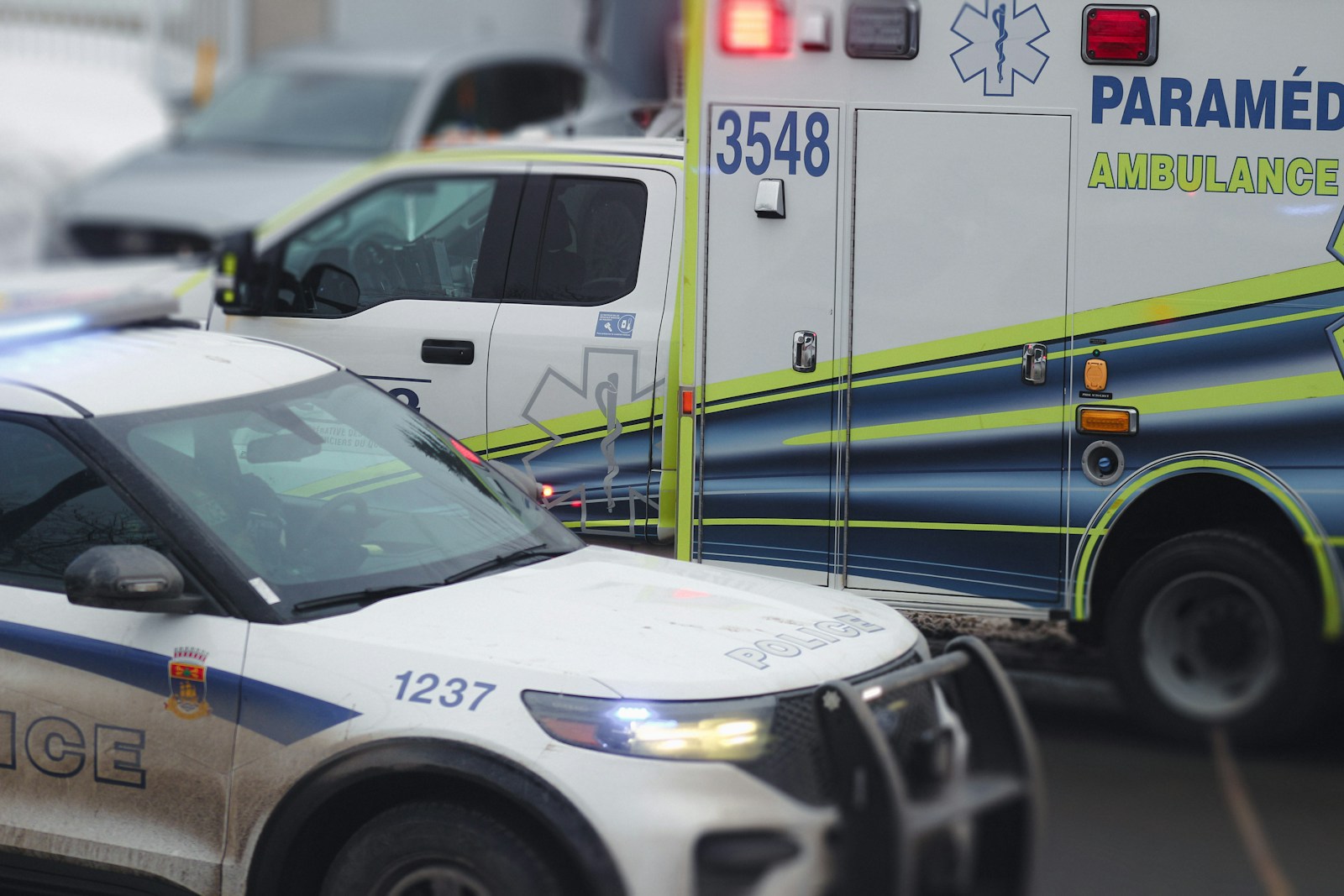
Pawtucket Police responded within minutes after 911 calls reported an active shooter. Officers and emergency medical teams moved through the building to tend to victims and secure the area.
By the time first responders cleared the ice surface, two people were dead and three others critically injured. The shooter was found deceased; authorities later said the death appeared self-inflicted.
Shooter’s Identity and Motive
Pawtucket Police Chief Tina Goncalves later named the suspect as Robert Dorgan, who also used the name Roberta Esposito. Chief Goncalves described the incident as stemming from a family dispute rather than a random act.
Investigators said the attack appeared targeted, focused on specific family members present at the event. Law enforcement did not immediately present a broader political or ideological motive.
Authorities continued to interview witnesses and review video from the arena to confirm timelines and the shooter’s movements leading up to the shooting.
Impact on Victims and Families
Two people were killed and three were critically injured; several of those affected were family members of the suspect, according to police briefings. Hospitals treated the wounded, and medical staff described the injuries as severe.
Families who came to watch the game were thrust into confusion and fear, with relatives searching for loved ones amid chaotic scenes. Coventry and Blackstone Valley school officials worked with Pawtucket Police Department to notify next of kin and provide counseling for students and families.
Community groups and local schools, including North Providence and North Smithfield districts who send players to regional co-ops, mobilized support services and information hotlines for affected families.
Scenes of Chaos and Immediate Response
Eyewitnesses described a stampede toward exits as fans and families fled the arena. Some patrons performed basic first aid, and at least one good Samaritan helped move the injured to safer areas before paramedics arrived.
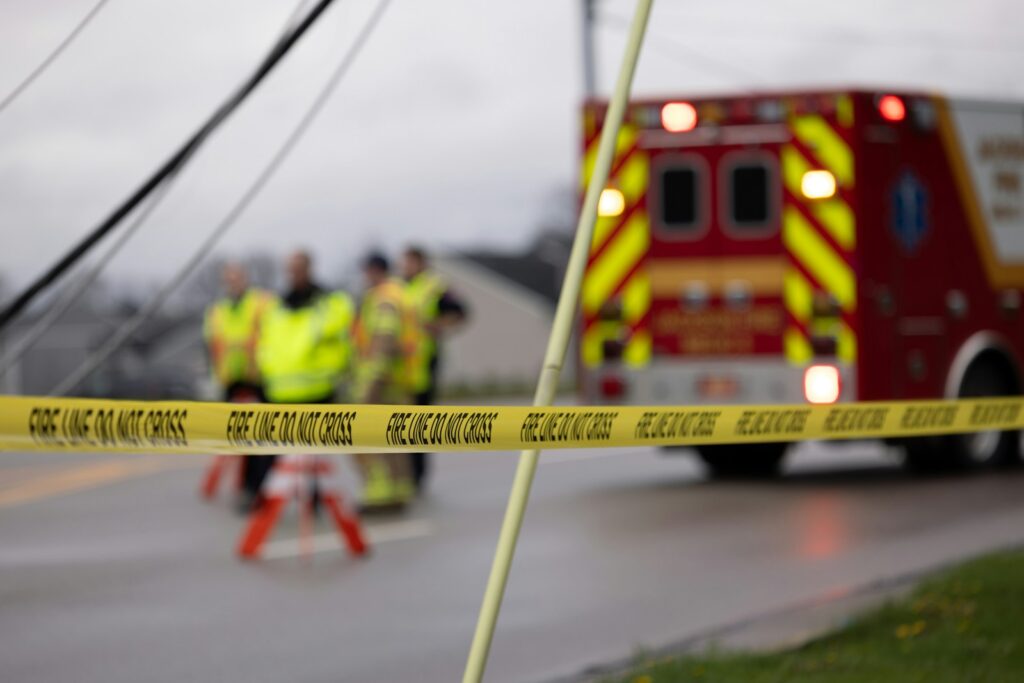
Emergency crews established a perimeter and triage area outside Dennis M. Lynch Arena while detectives began canvassing for witnesses. Pawtucket Police set up a command post and coordinated with regional law enforcement to manage traffic and control access to the scene.
Officials urged anyone with video or information related to the shooting at the arena to contact the Pawtucket Police Department as investigators continued to piece together the final minutes before and after the attack.
Law Enforcement and Community Response
Law enforcement agencies moved quickly to secure the arena, gather witness accounts, and coordinate medical response while community leaders arranged support for families and players.
Police Actions and Investigation
Pawtucket Police, led by Chief Tina Goncalves, established a perimeter around Dennis M. Lynch Arena within minutes and treated the scene as a targeted incident tied to a family dispute. Officers worked with Rhode Island State Police and the FBI to process evidence, including surveillance footage and shell casings, and interviewed more than 100 witnesses to build a timeline.
Investigators identified the suspect as Robert Dorgan and report he died of an apparent self-inflicted gunshot wound. Patrols increased in nearby schools and public locations while detectives executed follow-up searches and requests for digital records to corroborate witness statements.
Officials emphasized that the investigation remains active. Pawtucket Police urged anyone with video or information to contact investigators to help clarify motive and sequence of events.
Support Services and Mental Health Resources
City and state officials mobilized mental-health resources immediately after the shooting. Pawtucket Mayor Don Grebien directed local agencies to coordinate crisis counseling and asked the state to deploy additional behavioral health teams to affected families and students.
Rhode Island Gov. Dan McKee’s office, working with local school districts, provided access to the 9-8-8 crisis line and on-site counselors for students from Coventry Public Schools and the Blackstone Valley co-op team. Hospital social workers and community nonprofits set up family liaison points at medical centers to help with logistics, translation, and grief support.
Officials encouraged families to use available therapies and short-term interventions to manage acute stress reactions. They also flagged longer-term follow-up care for players and spectators exposed to the incident.
Schools and Hockey Community Take Action
North Providence and Coventry-area districts paused normal activities to prioritize student safety and communication. Superintendents notified families that players were safe and coordinated reunification plans for families arriving at the arena.
The Blackstone Valley co-op and local hockey clubs organized grief counseling sessions and team meetings to address trauma among teenage players. Community members adopted the #sticksoutforRI tradition to mark solidarity and memorialize victims outside rinks and homes.
Local leaders, including Mayor Donald Grebien, called for patience as investigations continue while urging athletic programs to review spectator access, entry screening, and emergency protocols to reduce risk at future games.
More from Vinyl and Velvet:

Leave a Reply