

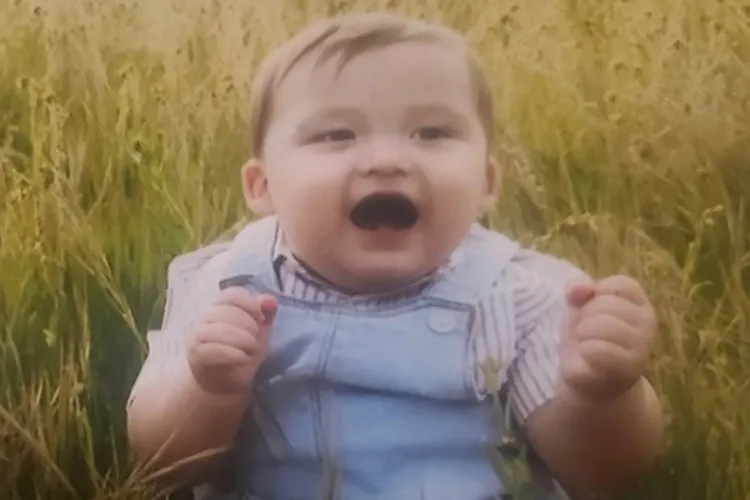
You’ll want answers fast: a young mother pleaded no contest after leaving her one-year-old son in a hot car while she got cosmetic treatment nearby, and the case moved to a plea that carries up to 15 years and adds strikes to her record.
The article unpacks what happened, why the prosecution shifted from murder to involuntary manslaughter and child-cruelty enhancements, and what the plea means for sentencing and future legal consequences. Understand the timeline, the charges exchanged in the plea deal, and how the court reached this outcome to see how similar cases are handled.
Expect clear coverage of evidence presented, the mistrial that preceded the plea, and the likely courtroom and sentencing steps ahead so you can follow the legal process and its real-world implications.

Key Facts: The Hot Car Death, Charges, and the Plea Deal
Maya Hernandez left two young children in a vehicle while she went into a medical spa for cosmetic procedures. One child, 1-year-old Amillio Gutierrez, died after prolonged heat exposure; the other child survived and received hospital treatment.
Timeline of the Incident at the Medical Spa
On the morning of the incident, Hernandez drove to a Bakersfield-area medical spa and left both children in the car while she entered the clinic. Court reporting and local coverage indicate the children were unattended for over two hours during which outside temperatures rose to dangerous levels. Staff at the spa did not immediately notice the children in the parked vehicle.
Emergency crews were called once a passerby or bystander alerted authorities to the distressed child; reports show the surviving toddler was taken to hospital and released. The timeline played a central role in later testimony and in the prosecution’s account of preventable neglect leading to Amillio’s death.
Immediate Police Response and Child Conditions
Police and emergency medical personnel responded after a call about children left in a vehicle. First responders found 1‑year‑old Amillio unresponsive from heat exposure and a second young child alive but showing signs of distress. Emergency medical technicians began treatment on scene before transporting the surviving child to a nearby hospital.
Investigators documented the vehicle’s interior temperature and the elapsed time the children were left alone. Those on-scene accounts and medical reports formed the factual basis for charges alleging that neglect and recklessness directly contributed to the fatal outcome.
Charges Initially Filed Against Maya Hernandez
Prosecutors originally charged Maya Hernandez with first‑degree murder along with involuntary manslaughter and criminal child cruelty counts. The case later produced a mistrial on the murder charge after a hung jury in a prior proceeding. Prosecutors then negotiated a plea agreement addressing the manslaughter and child cruelty allegations.
Hernandez ultimately pleaded no contest to involuntary manslaughter and accepted enhancements related to child cruelty, under a deal that carried a maximum prison term and two strikes on her record. Court statements explained that both sides weighed jury reactions and retrial prospects before finalizing the plea.
Amillio Gutierrez’s Death and Surviving Sibling
Amillio Gutierrez, the 1‑year‑old who died, succumbed to heat-related injuries after being left in the vehicle. Medical examiners and investigators tied the death to prolonged exposure in the parked car while Hernandez was at the medical spa. Amillio’s death became the focal point of the prosecution’s assertion that negligence caused a preventable fatality.
The surviving sibling, also left in the car, was treated at the hospital and released. That child’s recovery and statements from family members featured in court filings and media coverage, and the differing outcomes for the two children influenced both public reaction and prosecutorial decisions during plea negotiations.
Court Proceedings, Plea Agreement, and Legal Outcomes
The case moved from a high-profile charge to a negotiated resolution, with prosecutors weighing evidence and juror issues. The plea reduced exposure to a possible life sentence under California’s “two strikes” framework and set specific terms for custody and probation.
Mistrial on First-Degree Murder and Prosecutors’ Decisions
A first-degree murder charge initially filed in Kern County ended in a mistrial after juror deadlock over intent and premeditation. The Kern County District Attorney’s office, led in the courtroom by prosecutor Stephanie Taconi, reviewed the weaker elements of proving premeditation beyond a reasonable doubt. With eyewitness testimony inconsistent and forensic timelines disputed, the DA concluded retrying on first-degree murder risked another hung jury and significant costs.
Taconi recommended refiling lesser charges while preserving the option to negotiate. The mistrial shifted the strategy from pursuing the maximum penalty to seeking certainty of conviction through a plea on related counts that better matched available evidence.
Plea Deal Terms and Sentencing Details
Maya Hernandez pleaded no contest to a reduced set of charges as part of a negotiated agreement with the Kern County prosecutors. Under the plea, she admitted to criminal negligence counts tied to leaving her young son in a hot car while at a nearby cosmetic clinic, avoiding an admission of guilt on the original first-degree murder charge.
The terms included a stipulated sentence of 15 years in state prison, plus a period of post-release supervision. The plea agreement waived certain appeal rights and included an arrangement for credit for time served. Judge Charles Brehmer accepted the plea and formally pronounced the sentence after a brief colloquy to confirm Hernandez understood the rights she relinquished.
Key Individuals Involved in the Legal Process
Prosecutor Stephanie Taconi handled charging decisions and led plea negotiations on behalf of the Kern County District Attorney’s office. The DA’s legal team evaluated forensic reports and witness statements before offering the reduced plea to secure a definitive outcome.
Judge Charles Brehmer presided over the plea hearing, ensuring the plea was voluntary and legally sound before imposing sentence. Defense counsel for Maya Hernandez negotiated terms and advised her on consequences, including exposure under California’s sentencing laws and the potential impact of a “two strikes” allegation on future sentencing. Court clerks and probation officers prepared sentencing calculations and post-release supervision conditions.
Long-Term Consequences for Maya Hernandez
The 15-year sentence plus post-release supervision creates immediate custodial consequences and long-term collateral effects. A no-contest plea results in a criminal conviction on her record, affecting employment, housing, and parental rights proceedings. The plea also triggers registration and monitoring requirements tied to child-endangerment convictions.
Under California’s “two strikes” law, any subsequent serious felony could trigger enhanced sentencing. Hernandez forfeited the right to contest many factual findings on appeal, narrowing future legal options. Probation terms and mandatory counseling or parenting classes will likely form part of her supervised release conditions, monitored by Kern County probation officers.
More from Vinyl and Velvet:

Leave a Reply