

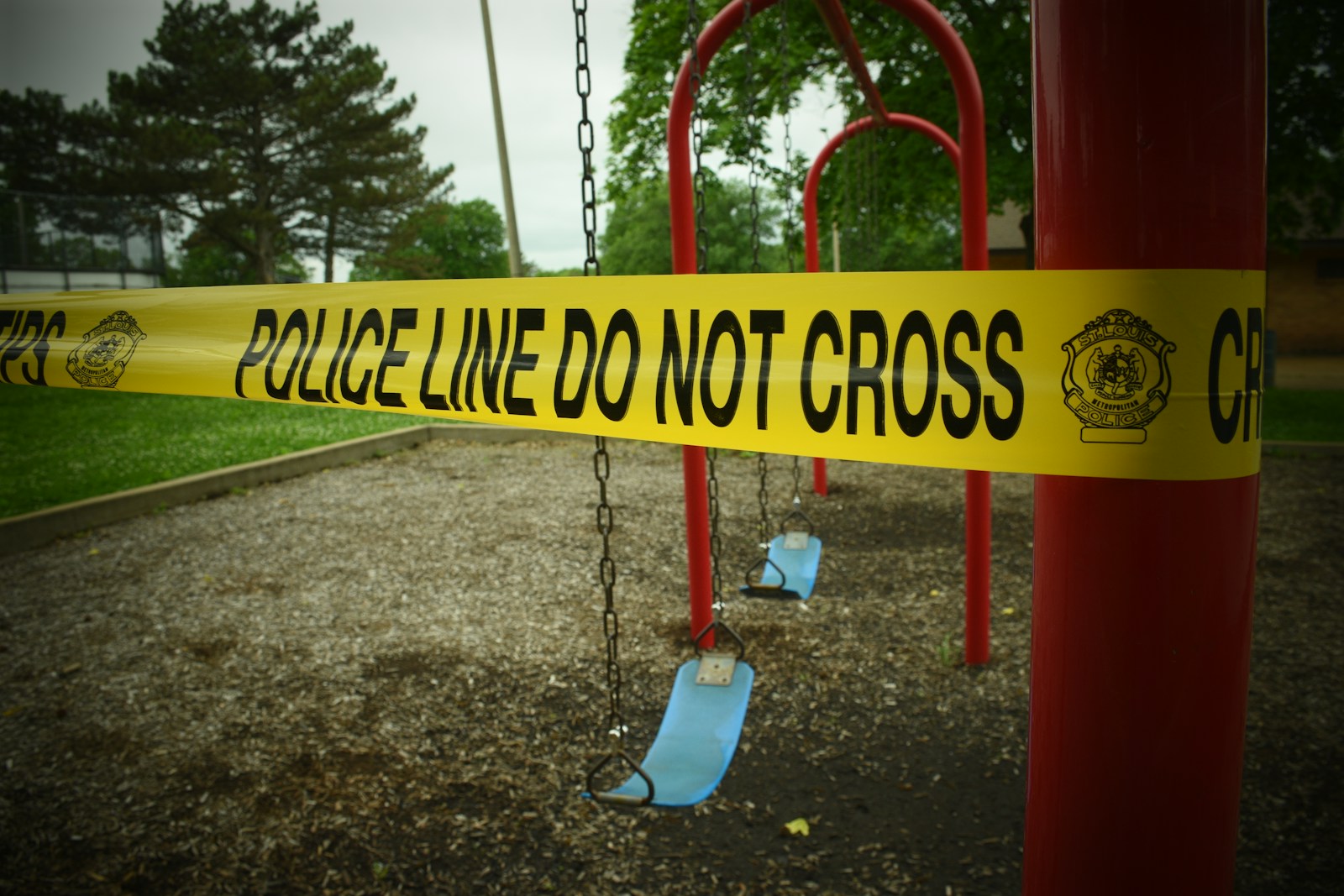
You will want to know what happened and why this case has gripped a community. A teen has pleaded guilty in the brutal assault of a 5‑year‑old, and the plea has set in motion legal steps and public outcry that families and officials are still grappling with. The guilty plea begins a path toward accountability while raising urgent questions about how the justice system responds when very young victims and very young suspects are involved.
Neighbors held vigils and demanded change after the attack, and those community actions now shape how the case is discussed in court and in public. The next sections unpack the assault and legal proceedings, then examine the community response and calls for systemic reform to protect children and prevent future tragedies.
Details of the Assault and Legal Proceedings
The attack left the community shocked, prompted vigils, and led to criminal charges that moved quickly through the juvenile court system. Court filings, witness statements, and medical reports established the sequence of events and the legal response.
Timeline of the Brutal Attack
Police allege the assault occurred in the late afternoon at a neighborhood playground where the 5-year-old was playing with family members. Surveillance footage and multiple eyewitness accounts place the teen at the scene; witnesses describe the youth approaching the child and then carrying out an unprovoked physical attack. Emergency responders arrived within minutes after bystanders called 911, and first responders provided on-scene stabilization before transporting the child to a local hospital.
Medical records filed with the court detail the child’s injuries, which required emergency surgery and follow-up care. Investigators secured additional evidence from the park and interviewed adults who were supervising children that day. The rapid preservation of physical evidence and contemporaneous witness statements became central to the prosecution’s case.
Charges and Guilty Plea by Teen
Prosecutors charged the teen with multiple counts, including aggravated assault and child endangerment, reflecting both the severity of the injuries and the victim’s age. Charging documents cite the teen’s prior contacts with juvenile services, which prosecutors said informed their decision to pursue the more serious counts. Defense filings acknowledged the youth’s participation in the incident but contested aspects of intent and the degree of force used.
Facing a strong evidentiary record, the teen entered a guilty plea to several charges as part of a negotiated agreement. The plea reduced exposure to the maximum possible penalties but preserved significant custody and rehabilitative components. Plea documents and the judge’s remarks at the hearing are part of the public record and outline the factual basis for the admissions.
Court Sentencing and Reactions
At sentencing, the judge balanced public safety concerns, the teen’s age, and psychological evaluations submitted by both sides. The court imposed a blended disposition that includes a custodial term in a juvenile facility, mandated counseling, and a structured transition plan with supervised community placement. The sentence also requires restitution and participation in a violence-prevention program.
Family members of the victim and community leaders protested outside the courthouse and called for harsher penalties, arguing the youth should face adult court. Victim advocates criticized perceived leniency while some juvenile justice experts defended rehabilitation-focused elements as consistent with best practices for adolescent offenders. Local officials scheduled follow-up meetings to discuss safety measures at playgrounds and support for the family.
Impacts on the 5-Year-Old Victim
The child sustained multiple traumatic injuries that necessitated emergency surgery and ongoing medical treatment, including physical therapy. Medical reports filed with the court document both acute injuries and anticipated long-term care needs; pediatric specialists continue to monitor recovery and developmental milestones affected by the trauma.
Psychological impacts are significant: clinicians treating the child recommended trauma-focused therapy to address anxiety, sleep disturbance, and behavioral changes. The family received referrals to counseling services and community resources, and local nonprofits helped cover some immediate costs. Social workers also arranged educational support to ease the child’s return to preschool when medically appropriate.
Community Response and the Push for Change
The neighborhood organized vigils, volunteer drives, and public meetings to support the victim’s family and call for policy changes. Local leaders and residents demanded clearer accountability from schools, law enforcement, and juvenile justice officials.
Community Vigils and Support Efforts
Neighbors, classmates, and faith groups held candlelight vigils near the school and at the park where the child was hurt. Attendance ranged from dozens to several hundred people; organizers used the gatherings to raise funds for medical costs and to coordinate rides, meals, and childcare for the family.
Volunteer networks set up a verified GoFundMe that reported major medical concerns and ongoing recovery needs. Local nonprofits offered counseling referrals for witnesses and classmates, and several churches arranged weekly support groups. The visible turnout kept local media attention on the case and pressured officials to provide updates.
Demands for Justice and Safety Reform
Family members and advocacy groups pushed prosecutors to seek tougher charges and to consider adult certification. Commentators and state officials debated juvenile court jurisdiction versus adult prosecution, pointing to the severity of injuries and the need for public safety measures.
Community leaders pressed the school district for a transparent review of supervision policies, requesting cameras in common areas and stricter enforcement of bullying protocols. County elected officials were urged to fund trauma-informed training for school staff and for law enforcement to adopt clearer guidelines for responding to violent incidents involving minors.
Long-Term Effects and Child Protection Initiatives
Parents and local counselors warned about lasting emotional and developmental impacts for young victims and for children who witnessed the assault. Schools expanded access to on-site trauma counseling and partnered with county behavioral health services to offer long-term therapy for affected students.
Advocates also lobbied for policy changes: mandatory reporting audits, expanded background checks for volunteers, and a pilot program for restorative justice in age-appropriate cases. City councilmembers agreed to review funding for youth violence prevention programs and to track outcomes from newly implemented protections.
More from Vinyl and Velvet:

Leave a Reply