


You follow the case because a community’s questions finally have a concrete — and chilling — development: DNA confirmed the decomposed leg found near Salton City belonged to the missing teen, and a 51-year-old man has been arrested on suspicion of murder.
This arrest answers the most urgent question that haunted the town for months: investigators now say the remains connect directly to the long-running missing-person investigation.
They will want to know how the leg was found, why authorities believe the suspect is linked, and what the next steps in the investigation look like; the article unpacks the discovery, the forensic breakthrough, and the new direction of the probe.
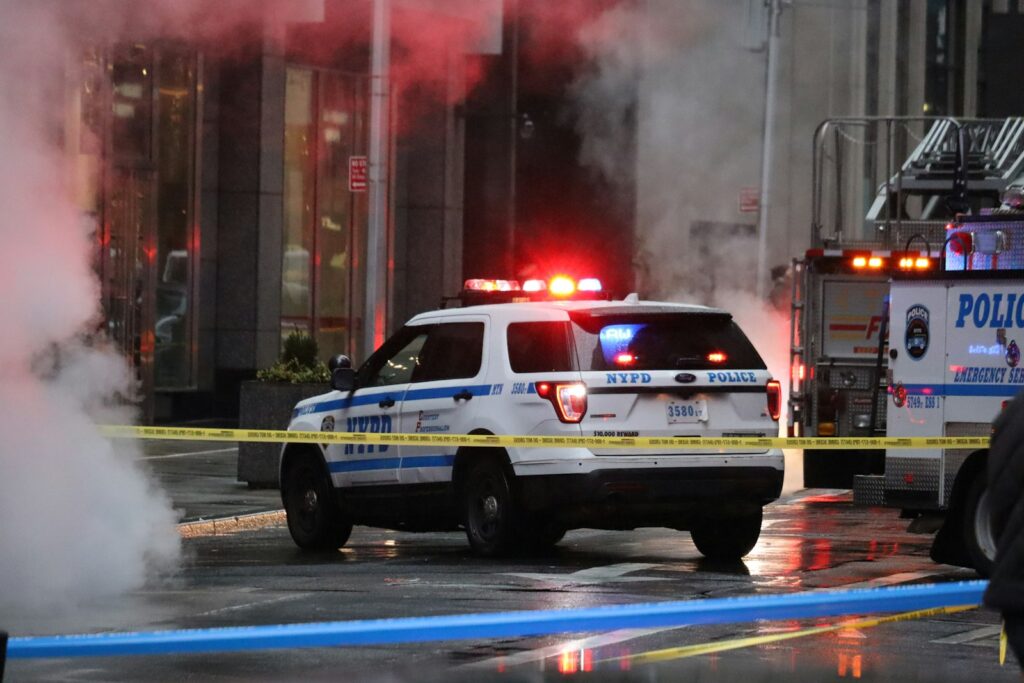
Discovery of the Decomposed Human Leg
A partially decomposed human leg was found on a California shoreline, prompting a criminal investigation and forensic work that tied the remains to a long-missing teenager. Law enforcement quickly secured the scene and began collecting evidence to determine identity and cause.
Location and Circumstances of the Find
Beachgoers discovered the limb on a public stretch of coast near a popular parking area early in the morning. The leg appeared dirty and partially decomposed when first observed, and witnesses reported no obvious clothing or personal items nearby.
Officers cordoned the area and called the county coroner. Photographs, GPS coordinates, and environmental notes (tide, debris, and nearby drainage) were logged to help reconstruct how the remains arrived on the beach. Local media reported that police saw no immediate signs of a larger crime scene in the surrounding dunes.
Authorities treated the find as potentially related to an active missing-person investigation. Deputies canvassed nearby businesses and residences for surveillance footage and asked for tips from fishermen and beach vendors in the vicinity.
Forensic Analysis and Identification
The coroner performed a preliminary examination at the county morgue, noting decomposition consistent with extended water exposure. Tissue, bone, and any trace clothing were collected for laboratory testing. Time-since-death estimates considered marine scavenging and tidal patterns.
DNA samples were taken and compared to missing-person databases and family reference samples. A forensic odontologist examined bone and soft-tissue markers for antemortem injuries or surgical history that could aid ID. Toxicology and histology were ordered to check for drugs, disease, or trauma.
Investigators released limited details while waiting for confirmatory DNA results. They said the lab found a preliminary genetic link to a missing-teen case, but final identification required secondary testing and family notification.
Connection to the Missing Teen Case
Detectives working the long-running missing-teen file reviewed the leg’s discovery location against the teenager’s last known route and cell-phone pings. Investigators noted overlaps with areas the teen frequented and with the timeline of the disappearance.
Leads from that case were reactivated: interviews were repeated, and a reward notice was refreshed to encourage new tips. Police also coordinated with a partner agency that had been handling cold-case evidence to compare prior case notes and any physical items collected earlier.
Officials cautioned that while DNA testing indicated a match, investigators were still building a full case file to determine manner of death and potential suspects before making public assertions about the teen’s fate.
Breakthrough in the Long-Running Investigation
Investigators secured an arrest after forensic links tied remains found on a Palos Verdes shoreline to a missing teen case. The arrest renewed community attention and prompted expanded searches and fresh forensic testing.
Details of the Arrest
Police arrested a 44-year-old man after investigators matched DNA from the decomposed leg found on the Palos Verdes shore to evidence connected with the missing teenager. Officers executed a warrant at the suspect’s residence and recovered items sent to the laboratory for comparison.
Authorities cited a combination of DNA results and corroborating physical evidence when presenting probable-cause to a judge. Prosecutors filed charges that align with results from the Los Angeles County Medical Examiner, which helped move the case toward formal indictment.
Investigators say the arrest followed months of tip development, re-examination of earlier leads, and new forensic techniques that improved fragment analysis. The suspect remains in custody pending arraignment, and detectives continue to build the prosecution’s case using both biological and circumstantial evidence.
Impact on the Community
Families in Rancho Palos Verdes reported relief mixed with renewed grief when the arrest became public. Neighbors who had followed the missing teen’s story for months described a cautious sense of closure, noting community vigils and online groups that tracked developments.
Local officials urged residents to allow the criminal process to run its course while thanking volunteers who assisted in searches earlier in the investigation.
Businesses near the shoreline reported increased foot traffic from residents seeking updates, and mental health providers saw a rise in calls from people affected by the case. Community advocates scheduled meetings to discuss victim support and strategies to prevent future disappearances.
Renewed Search Efforts and Ongoing Questions
Following the arrest, police expanded search parameters along nearby coves and cliffs and coordinated with the U.S. Coast Guard to review marine drift models. Teams used recent tide data and debris patterns to prioritize search zones, and dive units planned additional sweeps where the overturned boat had been reported.
Forensic teams reopened evidence files, requesting advanced isotope testing and refined DNA sequencing to confirm identity and establish timeline.
Key unanswered questions remain: whether other remains in the area are linked, the exact sequence of events leading to the teen’s disappearance, and whether additional suspects or witnesses will emerge. Investigators asked anyone with information or unfamiliar CCTV footage from December to come forward.
Officials emphasized that forensic confirmations take time and that new testing could alter charges or identify further evidence.
More from Vinyl and Velvet:

Leave a Reply