

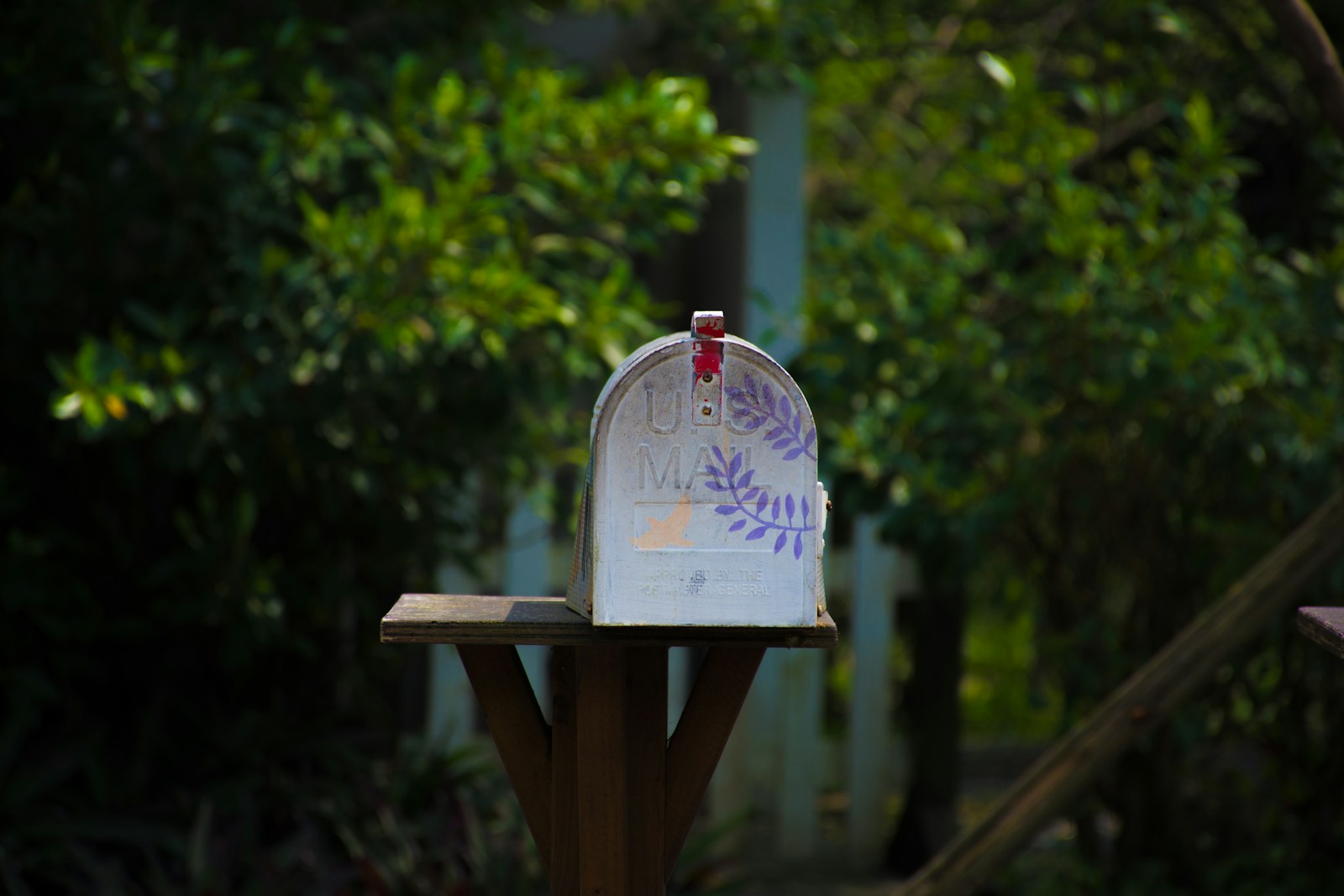
They’ve tied yellow ribbons to trees and mailboxes across the neighborhood to show solidarity with a family searching for a missing woman, and the gesture has grown into a visible, community-led display of hope. This simple act gives neighbors a clear way to support the family, raise awareness, and turn private worry into public attention.
If you walk the streets where ribbons flutter from branches and mailboxes, you’ll see how one small symbol can spread quickly — neighbors, strangers, and local groups adding their own knots and bows. The article explores how the community organized the display, what the ribbons mean historically, and why this kind of public showing matters now.
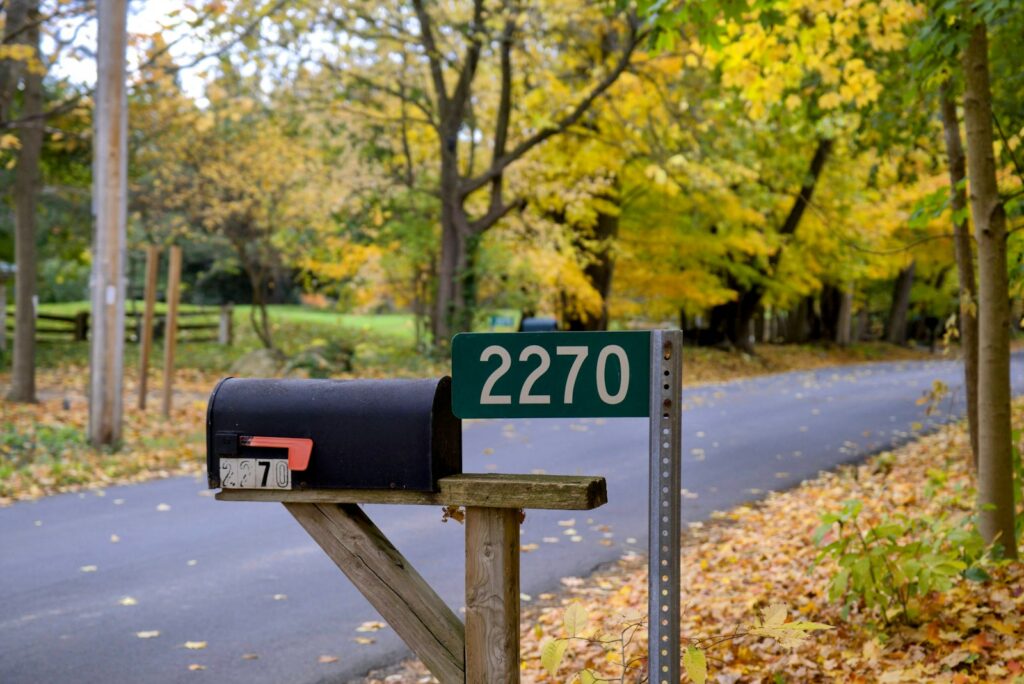
Neighbors Tie Yellow Ribbons to Trees and Mailboxes: Community Response
Neighbors lined driveways and mailboxes with yellow ribbons and flowers as a visible show of support for the missing woman and her family. People left short notes and Bible verses, and local groups coordinated where to place displays so they would be respectful and visible.
How the Community Rallied Together
Neighbors organized quickly after news broke, sharing plans through neighborhood chats and a local association that encouraged yellow ribbons and flowers on curbsides. Some residents placed ribbons on mailboxes and trees along the street; others left bouquets and small handwritten messages at the end of the driveway.
Volunteers checked on older neighbors and offered to escort people to and from homes who felt unsafe. Local social posts helped map ribbon locations so motorists and visitors could see the growing tribute without crowding the property.
A nearby homeowners association suggested simple guidelines — use bright yellow ribbon, avoid obstructing sidewalks, and keep notes concise — to maintain a dignified, unified display.
Symbolism of Tying Yellow Ribbons Today
Tying a yellow ribbon on a tree or mailbox now signals community hope and solidarity for someone who is missing. Many residents referenced the ribbon’s modern use during past hostage crises and publicized campaigns as a reason for choosing yellow.
The color choice and placement—around trees, cactus arms, and mailboxes—made the message visible from the street and easy for neighbors to join without visiting the home directly.
For some, the ribbon represents a plea for the person’s safe return; for others it’s a public reminder to keep looking and to share tips with investigators.
Messages of Hope for the Family
People left brief, heartfelt messages with their ribbons—scripture verses, “We’re praying,” and “Please come home”—to signal ongoing emotional and practical support. One note referenced Isaiah 43:2, showing how some neighbors combined spiritual comfort with the ribbon gesture.
Family members received videos and photos of the displays from neighbors who could not travel to Arizona, allowing the tribute to extend beyond the immediate block. Community-organized donation of door‑bell camera footage and neighborhood watch tips also accompanied the visible signs of hope.
Officials and family statements circulated alongside the ribbons, and a reward notice was shared at ribbon sites, keeping the community’s focus on finding concrete information.
Significance and History of Yellow Ribbons in Community Support
The yellow ribbon serves as a visible sign of remembrance, hope, and collective attention. Neighbors use it to show solidarity with families, to mark public awareness campaigns, and to invite conversation that can lead to action.
Meaning Behind Yellow Ribbons
The yellow ribbon has long signified waiting for a loved one’s return and public solidarity for people in crisis. Communities tie a yellow ribbon to trees or mailboxes to signal support for someone missing or away, echoing the image from the song “Tie a Yellow Ribbon Round the Ole Oak Tree.”
The color yellow also reads as caution and care; in many neighborhoods a ribbon communicates that people are watching, offering prayers, or ready to help with searches and welfare checks.
Families often wear a yellow ribbon pin to keep the person’s name visible in public settings. That simple emblem unifies volunteers, donors, and neighbors around a single story without requiring words.
Yellow Ribbons in Awareness and Advocacy
Yellow ribbons appear in organized campaigns beyond missing-person cases. Nonprofits and schools use the symbol for mental health and suicide-prevention outreach, for example the Yellow Ribbon Suicide Prevention programs that pair the ribbon with training and resource lines.
They also surface in military and hostage-support displays, historically used to welcome home troops or hostages. Communities choosing a ribbon for a campaign typically pair it with clear calls to action: hotlines, search-coordination details, donation links, or scheduled vigils.
A ribbon’s effectiveness depends on accompanying information; a cluster of ribbons with a printed notice—contact numbers, last-known details, volunteer sign-up—turns passive sympathy into practical support.
How to Tie a Yellow Ribbon and Display Ideas
Choose durable, weather-resistant ribbon (polyester or nylon) about 1–2 inches wide for visibility. Cut lengths of 3–4 feet so the bow reads from the street; secure with a small zip tie or garden twine to prevent slipping.
Place ribbons on mailbox posts, porch railings, and trees at eye level; line a block of trees or light poles for stronger impact. For organized efforts, attach laminated cards with the missing person’s photo and a QR code linking to a task page or tip line.
If neighbors want a unified look, agree on ribbon size, knot style, and whether to add a handwritten tag or printed fact sheet. Use a yellow ribbon pin at community meetings to identify volunteers and coordinators.
More from Vinyl and Velvet:

Leave a Reply