

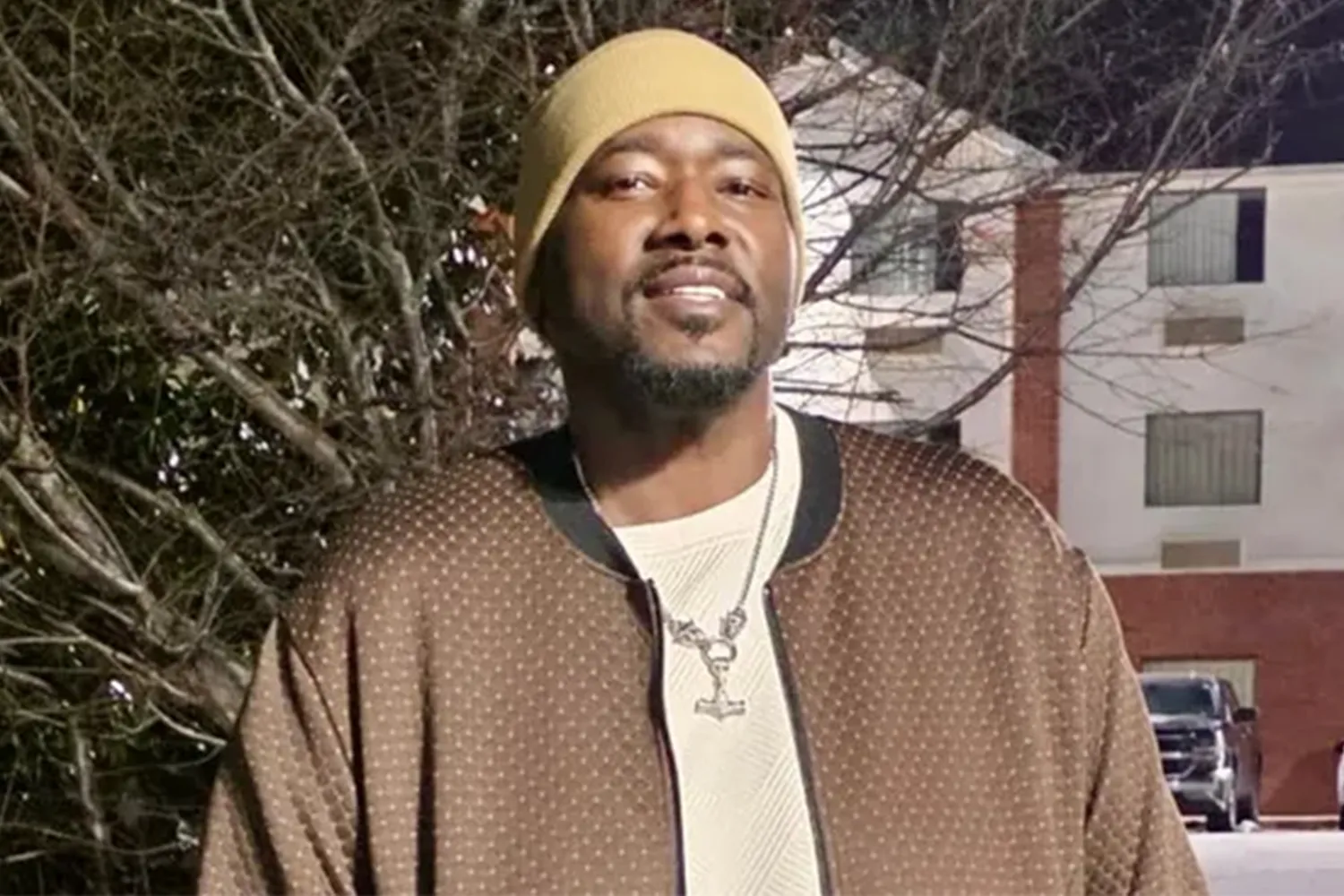
You’ll want to know the facts fast: Quinton Aaron is awake, communicating with family, and concentrating on rehabilitation after suffering a spinal stroke in January. He’s alert, showing signs of recovery, and focusing on small daily gains as he rebuilds strength.
The next sections will explain what a spinal stroke means, outline the timeline of his hospitalization, and show how family and fans are supporting his progress. Expect clear updates about his condition and practical context for what recovery can look like.
Quinton Aaron’s Spinal Stroke and Hospitalization
Quinton Aaron experienced a sudden medical emergency at home that led to hospitalization. His condition involved loss of sensation in his legs, breathing support, and later confirmation of a spinal stroke and related complications.
Collapse and Medical Emergency at Home
Aaron reportedly lost feeling in his legs while walking up stairs at his Atlanta home, then collapsed and required immediate medical attention. Family members and emergency responders took him to a hospital where clinicians evaluated his neurological function and vital signs.
Witnesses and media reports said he developed severe neck pain before the collapse. That acute pain, rapid weakness in the lower limbs, and rapid onset of symptoms prompted emergency imaging and neurologic assessment to determine the cause.
EMS and hospital teams stabilized him, addressing airway and circulation concerns first. Treatment priorities included confirming spinal cord perfusion, preventing further neurologic injury, and managing pain and infection risks while arranging advanced imaging and specialist consultation.
Diagnosis: Spinal Stroke and Blood Infection
Hospital physicians diagnosed Aaron with a spinal stroke, a rare interruption of blood flow to the spinal cord that can cause sudden paralysis or sensory loss. The family confirmed the spinal stroke in a public statement and asked for privacy while he recovers.
Early reports also mentioned a severe blood infection; his former manager and some outlets said a bloodstream infection complicated his course. Clinicians typically treat such infections with targeted IV antibiotics and monitor for sepsis, which can worsen neurologic outcomes if not controlled.
Care teams likely combined vascular neurology, infectious disease, and critical care to manage both the spinal ischemia and the infection. Conservative and supportive measures aim to stabilize oxygenation and blood pressure to protect remaining spinal cord tissue.
Life Support, Breathing Assistance, and Hospital Updates
Initial updates indicated Aaron was placed on life support and required breathing assistance, including an endotracheal tube for mechanical ventilation. Reports from media outlets such as TMZ and statements from his family described periods when he was intubated and closely monitored in intensive care.
Over subsequent days he was reported to be “fully alert” and increasingly responsive while still hospitalized. Family statements emphasized that he is recovering, remaining under close observation, and that official updates would come from his chosen spokesperson.
Medical teams continued respiratory weaning protocols as his neurological status improved, while monitoring for secondary complications like pneumonia or recurrent infection. The family urged the public to rely on direct family communications for accurate health updates.
Road to Recovery and Community Support
Quinton Aaron is awake, communicating, and steadily taking steps to rebuild strength after a spinal stroke. Family, medical teams, and fans have coordinated medical care, rehab plans, and public messages to aid his recovery.
Quinton’s Alertness and Progress
Quinton is reported as “fully alert” and aware after the spinal stroke that left him hospitalized and briefly on life support. He can respond to family and medical staff, and doctors have noted improvement in his cognitive status since the crisis. Statements from his family emphasize that he is regaining orientation and can follow simple commands, which medical teams view as a positive sign during early neurologic recovery.
He has experienced fluctuating sensation in his legs since the event. Clinicians are monitoring motor function and reflexes closely to track any return of strength or sensation. The care team remains cautious about timelines because spinal stroke outcomes vary and often require months of rehabilitation.
Physical Therapy and Regaining Strength
Quinton’s rehab plan centers on physical therapy to rebuild mobility, core strength, and balance. Therapy includes assisted walking exercises, targeted leg and hip strengthening, and repetitive motor training to encourage neuroplasticity. Sessions are scheduled multiple times per week with incremental goals to increase standing time and step length.
Therapists will also address respiratory recovery after his hospitalization, since intubation and a recent upper respiratory infection or pneumonia can weaken breathing muscles. Occupational therapy focuses on daily tasks and adaptive strategies while speech therapy monitors swallowing and communication if needed. Progress will be measured by improvements in gait, independence with transfers, and reported reduction of numbness or pain.
Messages from Family, Fans, and Co-Stars
Family members, including his wife Margarita Aaron and other relatives, have posted updates thanking supporters and asking for privacy while sharing milestones. Liana Mendoza and other close contacts helped coordinate a public GoFundMe to assist with medical costs; the campaign highlighted the suddenness of his health scare and immediate needs for rehab and home care adaptations.
Fans, former co-stars, and public figures have sent prayers and encouragement, with responses amplified by outlets like Fox News Digital and ABC. Sandra Bullock and peers connected to his role in Michael Oher’s story have offered supportive messages. The family has emphasized gratitude for both private donations and the volume of well-wishes driving his morale.
Lifestyle Changes and Weight Loss Journey
Quinton’s recovery plan includes lifestyle adjustments to support long-term health and reduce risk factors. He has discussed intentional weight loss and dietary changes as part of regaining fitness after hospitalization. Intermittent fasting and controlled nutrition have been mentioned in interviews as tools he’s using to manage weight and improve metabolic markers.
Medical staff advise gradual, supervised weight loss to preserve muscle mass while increasing mobility. They also monitor for complications from recent illnesses, such as a type A flu or lingering upper respiratory infection, which can impede exercise tolerance. Any legal repercussions tied to his medical care have not been reported; the focus remains on rehabilitation, infection prevention, and restoring strength.
More from Vinyl and Velvet:

Leave a Reply